Formula 1 never stands still. Engineers, mechanics, analysts, and drivers search for small improvements every day because tiny gains often decide the outcome of a race.
Every component, every
software update, and every adjustment receives careful attention before a car
reaches the track. This constant technical progress changes not only Formula 1
but also the wider world of motorsport.
Modern racing extends far beyond engine
power. Teams study data, refine aerodynamics, improve communication systems,
and develop advanced materials that increase efficiency while reducing weight.
These efforts shape race strategy as much as driving skill.
Digital entertainment has also grown
alongside technological progress. Many racing fans explore online platforms
during race weekends, and services such as meowzino casino
illustrate how digital experiences continue to expand across different forms of
entertainment without changing the central appeal of live sporting events.
Data Drives Every Decision

Formula 1 generates an enormous amount of
information during every session. Hundreds of sensors monitor temperatures,
pressure levels, tire wear, fuel consumption, suspension movement, braking
performance, and dozens of additional measurements.
Engineers review these numbers in real time
instead of relying only on visual observations. They compare current
performance with historical records, weather forecasts, and simulation results
before making strategic choices.
Several factors explain why data analysis
plays such an important role:
•
Engineers identify mechanical
issues before they become larger problems.
•
Teams calculate tire
degradation with greater accuracy.
•
Drivers receive immediate
performance feedback.
•
Strategy groups evaluate
different pit stop windows.
•
Analysts compare every lap with
simulation targets.
Fast communication between the garage and
the driver allows continuous adjustments throughout a race.
Aerodynamics Continues to Shape Performance

Airflow determines much more than top
speed. Engineers design every surface to guide air efficiently around the car
while balancing straight-line speed with cornering stability.
Even minor adjustments to front wings, rear
wings, floor geometry, or cooling ducts influence overall performance. Teams
test hundreds of aerodynamic ideas before selecting a final configuration for
each circuit.
Wind tunnel testing still plays an
important role, but computational modeling now handles much of the development
process. Engineers evaluate countless design variations before manufacturing
physical components.
Different circuits also require different
aerodynamic setups.
| Track characteristic | Engineering priority |
| Long straights | Lower drag |
| High-speed corners | Increased stability |
| Technical sections | Balanced downforce |
| Hot weather | Improved cooling |
| Wet conditions | Stable handling |
This continuous development allows teams to
tailor cars for changing conditions throughout the season.
Simulation Changes Preparation

Drivers spend many hours inside simulators
before arriving at a circuit. Modern systems reproduce braking points,
elevation changes, steering response, tire grip, and weather conditions with
impressive accuracy.
Simulation work serves several purposes.
First, drivers learn new circuits without
completing physical laps.
Second, engineers evaluate setup ideas
without consuming valuable track time.
Third, mechanics study different repair
procedures before race weekends begin.
This preparation reduces uncertainty during
practice sessions and helps teams spend more time refining performance instead
of collecting basic information.
Simulation software also allows engineers
to test thousands of possible race situations that would remain impossible to
recreate during normal testing.
Materials Continue to Improve Car Construction

Formula 1 places enormous demands on every
component. Engineers need materials that combine low weight with exceptional
strength while surviving constant vibration and high temperatures.
Carbon fiber remains one of the most
important construction materials because it offers excellent rigidity without
adding unnecessary mass.
Engineers also develop advanced metal
alloys for suspension parts, braking systems, transmission components, and
engine assemblies.
Material research supports several
objectives:
- Lower vehicle weight.
- Greater structural strength.
- Better heat resistance.
- Improved crash protection.
- Longer component lifespan within sporting regulations.
These developments often influence
engineering projects outside professional racing because manufacturers continue
studying lightweight construction methods for many transportation sectors.
Tyre Management Requires Constant Analysis

Tyres determine how effectively a driver
transfers power to the track.
Engineers constantly monitor tire
temperatures, pressure, wear rates, and grip levels throughout every session.
Small changes in these measurements affect braking distances, cornering speed,
and acceleration.
Drivers also adjust their driving style to
preserve tire performance.
They may reduce wheelspin when exiting
corners, brake slightly earlier, or modify steering inputs to reduce surface
wear.
Weather adds another challenge.
Track temperatures can change dramatically
within a short period, forcing engineers to revise race strategy several times
during an event.
Power Unit Development Extends Beyond Horsepower

Modern Formula 1 power units combine
internal combustion engines with advanced electrical systems.
Instead of chasing maximum horsepower
alone, engineers also study energy recovery, fuel efficiency, thermal
management, and electrical deployment.
Several systems work together:
•
Internal combustion engine
•
Electric motor
•
Energy recovery systems
•
Battery storage
•
Electronic control software
These components communicate continuously
throughout every lap.
Engineers refine software algorithms that
determine when electrical energy should support acceleration and when recovery
systems should recharge storage units during braking.
This balance requires careful planning
before every race.
Software Continues to Expand Its Role

Software now controls many areas of race
preparation and vehicle management.
Engineers develop algorithms that process
massive amounts of telemetry within seconds.
These systems help teams:
•
Predict tire degradation.
•
Estimate fuel usage.
•
Compare race scenarios.
•
Detect unusual sensor readings.
•
Evaluate setup changes.
Drivers also receive concise radio updates
based on software calculations instead of raw technical information.
This approach helps them concentrate on
driving while engineers handle more complex analysis inside the garage.
Safety Technology Continues to Progress

Formula 1 places enormous importance on
driver protection.
Engineers improve crash structures, cockpit
protection, fire resistance, and impact absorption through continuous testing.
Computer simulations allow researchers to
study collision forces before building physical prototypes.
Safety improvements include stronger
survival cells, reinforced wheel tethers, advanced helmets, improved seat
construction, and sophisticated restraint systems.
Medical response has also improved through
faster communication, improved monitoring equipment, and detailed emergency
planning.
Many of these developments later influence
safety standards throughout wider motorsport categories.
Communication Supports Faster Decisions

Race weekends depend on efficient
communication.
Drivers exchange information with engineers
throughout every lap.
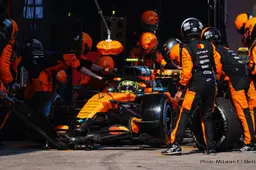
Mechanics receive immediate instructions
before pit stops.
Strategy teams evaluate weather updates,
tire conditions, and competitor activity while races continue.
Clear communication reduces mistakes and
helps every department respond quickly when conditions change.
Instead of relying on lengthy discussions,
engineers deliver concise information that drivers understand immediately.
Artificial Intelligence Assists Technical Analysis

Artificial intelligence now supports
engineers by processing huge datasets far faster than manual analysis.
These systems identify performance trends,
compare historical sessions, and detect unusual behavior across many technical
measurements.
Engineers still make the final decisions,
but software highlights patterns that deserve additional investigation.
Artificial intelligence also supports
simulation work by evaluating thousands of possible race strategies before
competition begins.
As computing power continues to increase,
engineers gain access to more detailed predictive models without increasing
preparation time.
Environmental Goals Shape Engineering Choices

Formula 1 continues exploring methods that
reduce fuel consumption while maintaining high performance.
Engineers examine combustion efficiency,
electrical energy recovery, lightweight construction, and improved cooling
systems.
Technical regulations encourage research
into cleaner technologies that support future transportation development.
Teams also examine manufacturing processes
that reduce material waste during component production.
These engineering efforts extend beyond
race weekends because laboratories continue testing new ideas throughout the
entire season.
Continuous Development Defines Formula 1

Formula 1 rewards constant improvement
instead of temporary success.
Engineers rarely stop developing a car
after the opening race because every circuit introduces different technical
demands.
A suspension upgrade may improve one track
while creating challenges elsewhere.
Cooling requirements change with weather.
Brake performance changes with circuit
layout.
Aerodynamic balance changes as engineers
introduce revised components.
This constant cycle encourages detailed
research throughout the championship.
Every department contributes to overall
performance through thousands of small improvements rather than one dramatic
breakthrough.
Looking Ahead

Formula 1 continues pushing engineering
research into new areas.
Engineers study stronger materials, smarter
software, improved simulation systems, advanced energy management, and
increasingly accurate data analysis.
Each season introduces fresh technical
questions that require creative solutions within strict sporting regulations.
Motorsport benefits from this continuous
research because teams constantly search for measurable gains instead of
relying on assumptions.
Technology will continue shaping Formula 1
through careful engineering, detailed analysis, and disciplined testing. Every
improvement, no matter how small, contributes to faster cars, safer
competition, and smarter race management. That steady pursuit of measurable
progress explains why Formula 1 remains one of the world's most technically
demanding forms of motorsport.
Latest News



Loading