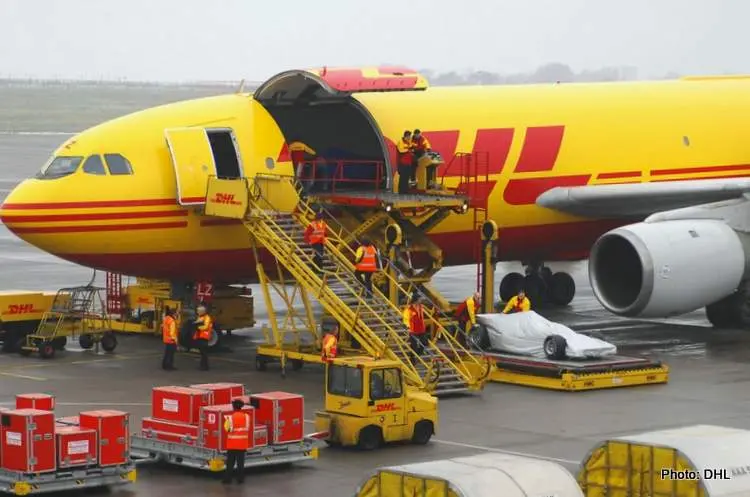
Ensuring Formula 1 cars and equipment arrive safely and on time requires precision, innovation, and a global logistics network. Here’s how the fastest machines on Earth are transported across continents.
Transporting Formula 1 (F1) cars across the globe is a feat of transport precision, coordination, and engineering excellence. With a season-spanning multiple continents and tight schedules, ensuring that these high-performance machines arrive safely and on time is paramount.
This report delves into the intricate logistics that make this possible, highlighting the methods and partnerships that keep the F1 world championship on track.
The logistical backbone of Formula 1
Each F1 season involves moving teams, cars, and equipment to various locations worldwide. This requires meticulous planning and execution, as any delay can disrupt race schedules. The logistics challenge of moving the equipment of 10 teams across 20 races spanning five continents in a mere nine-month season demands intensive planning and precision. To achieve this, teams employ a combination of three transport modes: roadways, airways, and waterways.
Road transport: Navigating European circuits

Given that all teams are currently based in Europe, road transport is the norm for races within the continent. Specially designed lorries, adorned with team colours, carry the cars, tools, and equipment to the race locations. These customized racing cars are transported using specialized enclosed carriers that house and protect them on the way to local and international races. The F1 cars are loaded into these trucks along with other equipment, fuel, supplies, and tools.
Teams can use as many as around 300 trucks. The drivers can drive almost non-stop, which is why it’s common to have multiple drivers in the team that take shifts. It also means that they can travel safely because nobody behind the wheel is falling asleep. A race weekend becomes more successful when everything is ready and on schedule. When the trucks arrive at the next track, the team will start unpacking, setting up the equipment, and packing once again when the race is over.
Air transport: Crossing continents swiftly
For races outside Europe, air transport becomes essential. The logistics operation is based on speed and precision engineering. If one piece doesn’t make it to a race, a team could be extremely disadvantaged. In 2021, DHL moved 1,540 tons of equipment and 532 cars more than 74,500 miles. That translates to about 44 to 55 tons for each of the 10 teams, more than 330,000 pounds of broadcast media equipment, 30 containers of tents and other hospitality equipment, and more than 22,000 pounds of electronic gear per team.
Teams and other F1 units pack all the gear in air containers or pallets for truck transport. A collective shipment is referred to as a kit. On average, the equipment is delivered to the racetrack 14 days before the event and removed one week afterward. In addition to the kits transported from circuit to circuit, about 120 ocean containers circulate in the background moving less urgent equipment, such as furniture or catering items, to race sites.
Sea freight: Economical transport for non-critical equipment

While air transport is vital for speed, sea freight offers a cost-effective solution for non-critical items. Ocean travel is the slowest method and the most affordable way to make it to the overseas races. Both air and sea travel require special containers to house the F1 cars.
Custom-built foam boxes protect components of the F1 cars. Ocean shipping is also how replacement parts get to the racing team. After the race, the team, cars, and equipment may all go back the same way on a ship. While it is another option, the primary or critical components of the Formula 1 cars are not shipped by sea due to the slowness of the liner.
For everyday consumers and businesses needing reliable vehicle transport across the U.S. or overseas, services like those offered by car shipping service A1 Auto Transport make logistics easier and more accessible.
Sustainability in motion: Reducing the carbon footprint
As Formula 1 commits to achieving net-zero carbon emissions by 2030, sustainable logistics have become a focal point. In 2023, DHL introduced a fleet of trucks running on biofuel, reducing carbon emissions by an average of 83% compared to traditional fuel-driven trucks. These trucks traveled over 10,600 km across nine European rounds, transporting an average of 300 tons of freight per race.
The biofuel-driven trucks maintain the same level of performance in terms of load capacity and travel distance as their diesel counterparts, and all trucks in the DHL fleet are equipped with GPS to monitor fuel consumption and optimize more efficient routes. This initiative is part of a broader strategy to make the sport more sustainable, demonstrating that efficiency and environmental responsibility can go hand in hand.
For logistics operations, a van tracker is not just about seeing where a vehicle is on the map. It helps operators improve route efficiency, respond faster to unexpected delays, and add an extra layer of security for valuable cargo in transit,” says Rolandas Dranseika, CEO of Monimoto, a leading GPS tracker brand.
Strategic partnerships: The role of DHL in F1 logistics

DHL, as Formula 1's official logistics partner, plays a pivotal role in ensuring the seamless movement of equipment and personnel. In 2021, DHL moved 1,540 tons of equipment and 532 cars more than 74,500 miles.
That translates to about 44 to 55 tons for each of the 10 teams, more than 330,000 pounds of broadcast media equipment, 30 containers of tents and other hospitality equipment, and more than 22,000 pounds of electronic gear per team.
DHL’s involvement extends beyond Formula One to include Formula E, with approximately 460 tons of equipment, including electric race cars, batteries, and charging units, transported using multimodal methods. Teams carefully pack their gear in air containers or pallets for road transport, collectively referred to as a “kit.”
On average, these kits reach the racetrack 14 days before the event and are removed a week afterward. In addition to the kits, about 120 ocean containers circulate in the background, transporting less urgent items like furniture or catering equipment to race sites.
Challenges and contingencies: Navigating the unexpected
Despite meticulous planning, unforeseen circumstances can disrupt F1 logistics. Weather delays, geopolitical issues, and mechanical failures can all impact the timely delivery of cars and equipment. Teams and logistics partners must have contingency plans in place to deal with such challenges.
For instance, in 2022, a freight delay before the Brazilian Grand Prix caused significant concern among teams. Some cars and crucial equipment arrived at the track later than expected, forcing teams to work under intense pressure to prepare for the race weekend. In such cases, backup transport plans, including alternative flight routes and emergency air freight services, ensure that teams remain on schedule.
When mechanical failures or customs hold-ups threaten a shipment, teams have rapid response measures in place. Spare parts and duplicate equipment are often transported separately to minimize the risk of complete loss. Additionally, F1's logistics teams work closely with customs authorities worldwide to expedite clearance and avoid unnecessary delays.
Packing an F1 car: Precision and protection

Transporting an F1 car is not as simple as loading it onto a truck or plane. Each component must be meticulously dismantled, packaged, and secured to ensure it arrives intact and ready for race day.
Before transport, teams strip the cars down to their core chassis and pack individual components separately. The power units, gearboxes, and suspension parts are placed in custom-built protective cases filled with foam and shock-absorbing materials. The delicate aerodynamic parts, including front and rear wings, are given extra protection to prevent damage during transit.
Once at the track, the reassembly process begins immediately. Engineers and mechanics work tirelessly to put the cars back together, ensuring every detail is precise. This process requires absolute accuracy, as any errors could compromise the car’s performance on race day.
Beyond the cars: Moving the entire F1 circus
While F1 cars are the stars of the show, they are only one part of a massive logistical operation. Each race weekend requires an entire paddock of equipment, personnel, and infrastructure to be transported seamlessly.
Broadcasting equipment, timing systems, team motorhomes, hospitality units, and medical facilities must all arrive on-site and be set up within a tight schedule. The F1 Paddock Club, which provides premium hospitality experiences, requires weeks of preparation to ensure VIP guests have a seamless experience.
Additionally, personnel logistics are a significant challenge. Hundreds of team members, FIA officials, media representatives, and support staff must travel between races efficiently. Charter flights, commercial airlines, and private jets are often used to transport these individuals while ensuring compliance with travel regulations and visa requirements.
A race against time: Ensuring the show goes on

Formula 1 is a sport defined by precision, speed, and efficiency—qualities that extend beyond the racetrack and into its logistics operations. Every piece of equipment, from the multi-million-dollar race cars to the smallest spare part, must be in the right place at the right time. The slightest delay can have significant consequences, making the seamless execution of these logistics a critical component of the sport.
As the sport continues to evolve, F1 logistics must also adapt. With sustainability becoming a key focus, advancements in eco-friendly transport solutions will play an increasingly important role in shaping the future of Formula 1 logistics.
Whether through biofuel-powered trucks, optimized flight routes, or innovative packaging techniques, the goal remains the same: delivering the fastest cars on Earth to the world's most iconic circuits—safely and on time.
Formula 1’s ability to transport its high-tech machines around the globe with such precision is a testament to the dedication and expertise of the logistics teams working behind the scenes. Without them, the world's greatest racing spectacle simply wouldn't be possible.
Latest News






Loading