How betting tactics evolve throughout Formula 1’s long season?
F1 NewsTuesday, 09 September 2025 at 04:04
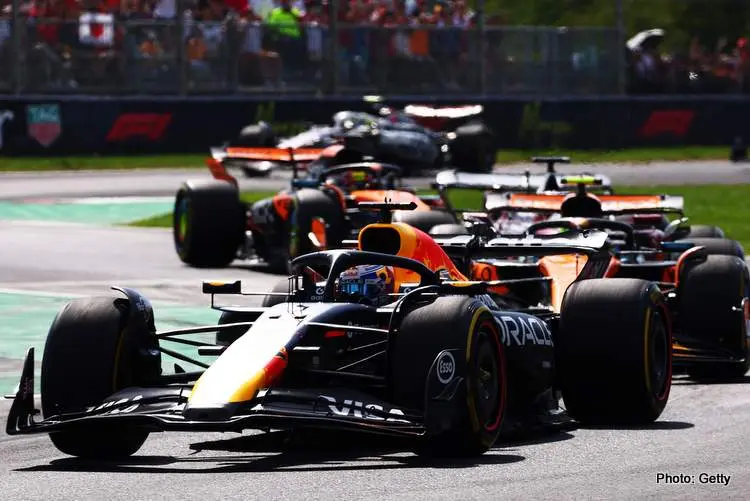
Formula 1 season is more than just fast cars and fierce rivalries; it is a long haul over a 24-race calendar, each with its unique circuit, climate and team dynamics.
Betting trends shift as much as the Formula 1 points standings do, making a strategy that works in Bahrain a potential bust in Monaco or Brazil. This is why successful Formula 1 bettors must adapt their tactics from race to race, mirroring the strategic adjustments made by teams themselves.
The beginning of the F1 season is a period of acclimatisation for teams and bettors alike. Despite the insights gleaned from pre-season testing, the real battles begin when the lights go out on opening day. Initial championship standings provide clarity on car performance under competitive conditions, driver form and the efficacy of winter upgrades.
At this stage, a betting strategy should be one of cautious engagement rather than full commitment. Odds are often distorted due to bookmakers basing their lines on preseason expectations.
A top driver from the previous season might falter if their team fails to interpret the new regulations correctly, while a mid-field competitor could emerge as a dark horse for podium finishes. Bettors who take early notes and recognize these subtle indicators will be well-positioned to exploit the market.
Mid-season things get hot in Formula 1!

As the season progresses and the championship battle starts to emerge, the development race becomes crucial. Teams typically roll out upgrades almost every race, and a single update can catapult a midfield car to consistent podium contention almost overnight. A McLaren or Ferrari team could suddenly be challenging Red Bull or Mercedes within weeks, thanks to aerodynamic or power unit enhancements.
At this juncture, betting tactics must become more sophisticated. While outright wins may still be dominated by the top drivers, other markets such as the fastest lap, qualifying head-to-heads and top-six finishes become more unpredictable.
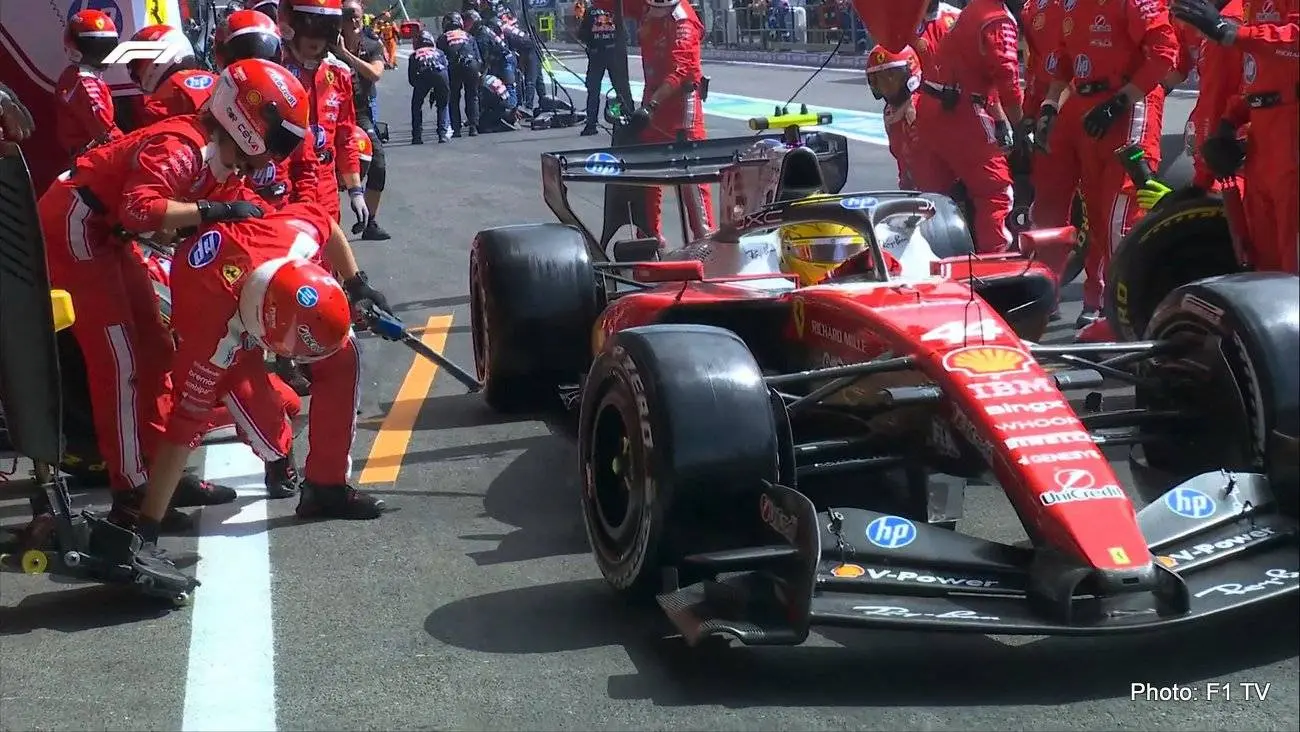
Bettors who pay attention to technical developments by scrutinising team press releases, practice session analysis and even tracking pit stop strategies, can identify performance shifts before they are priced into the odds.
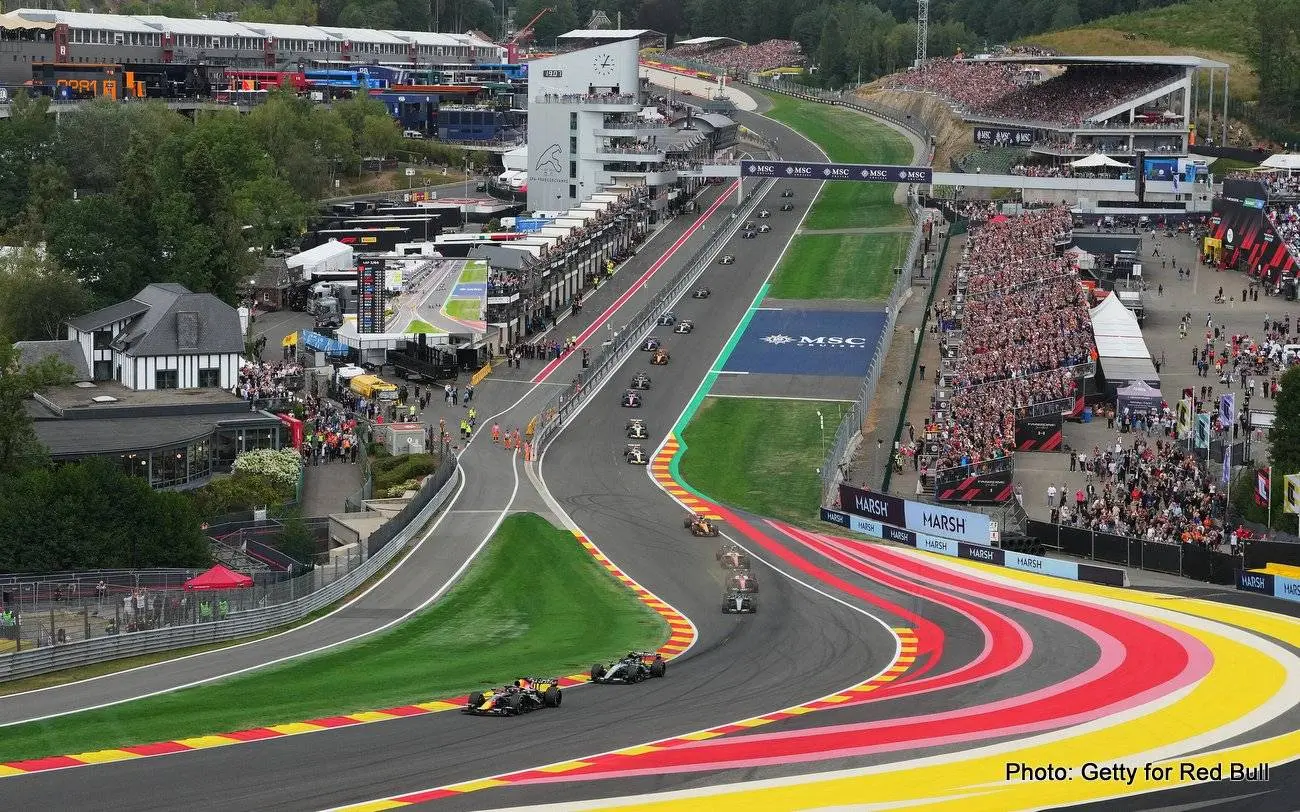
Not every F1 circuit is the same, and the long season brings this fact to the forefront more than any other motorsport. Power circuits such as Monza reward horsepower and top speed, while technical layouts like Monaco and Singapore demand precision and downforce. A car that underperforms at Silverstone might excel at Baku, depending on its strengths.
Tracks will determine performance

Adapting betting tactics to these track-specific factors can help avoid costly errors. Betting blindly on the same driver or team at every event is a strategy that is bound to fail, as even the most dominant cars have their weaknesses.
Certain drivers also have personal connections to particular circuits, such as Lewis Hamilton at Silverstone and Max Verstappen at Zandvoort, where historical performance suggests they will outperform.
Getting to know the tracks and drivers helps too. It’s no surprise bettors on Australian betting sites generally perform better when betting on a Melbourne track than Silverstone.
Formula 1 is not just about cars; it’s about the people within those machines who are pushed to their absolute limits for six months or more.
Travel pressures, physical fatigue and the mounting pressure of championship stakes can all have an impact as the season wears on. Slow pit stops, poor tire choices and driver errors start to creep in more frequently.
Pressure mounts as the F1 season progresses

Drivers who can handle this pressure will often be consistent later in the year, while others might make mistakes when the title is on the line. Larger teams with more resources usually fare better against travel fatigue, giving them an advantage over their smaller competitors over a long calendar.
Successful bettors look not only at the results, but also at how teams cope with these pressures, because this is often what decides late-season races.
Weather is one factor that lacks predictability, and across a calendar that stretches from the desert heat of the Middle East to the European summer and autumn, it can wreak havoc with predictions. A sudden rain shower can change the complexion of a race, with underdogs springing to life if they gamble on the correct tires at the right time.
Travel factors come into play too. In recent years, triple-header weekends, which involve three races in three weeks, have tested even the most organized teams’ logistical capabilities. Performance dips when there’s insufficient time for data analysis, car repairs or crew rest between races. Bettors who factor this into their strategy often find value in longer odds.
Late season expectations for a last race F1 title decider

As the season approaches its conclusion, another shift occurs. The title contenders, if there are any left at that point, often adopt different race strategies, such as protecting points or gambling everything if they need a strong result.
Mid-field teams may also start looking ahead to the next year, quietly dialing back development and leaving their cars exposed.
The late season often rewards bettors who can spot these strategic changes. A driver out of championship contention may suddenly be able to drive more freely, upsetting results.
Teams with nothing to lose may also adopt more aggressive strategies, such as opting for an unorthodox tire choice. Retirement potential is higher late in the year too, with mechanical failures on the rise as cars reach mileage limits, presenting upset opportunities.
Live betting of Formula 1

Live betting plays a bigger role over the course of a season. Watching races as they happen allows bettors to make wagers on strategy calls, weather changes or mechanical issues before the odds swing in their favor. For example, a slow pit stop or a driver struggling with tire degradation can be spotted early, offering an edge before bookmakers adjust.
Formula 1 is a sport of unpredictability, with a vast and diverse calendar of more than six months. No single betting strategy can be applied from the opening race in March to the finale in December because the sport itself is in a constant state of evolution. Cars improve or decline, drivers gain or lose confidence, and external factors such as weather or travel fatigue come into play.
Successful bettors recognize this volatility and plan seasonally rather than on a race-by-race basis. A winning strategy in Australia has little to no guarantee of success in Mexico or Brazil. The most astute bettors adjust their tactics every step of the way.
Just as the teams fighting for the Constructors’ title, those who cannot or will not adapt will not last the distance.
Latest News


Loading