How Data, Odds and Strategy Are Shaping Modern Motorsport Predictions
F1 NewsThursday, 05 March 2026 at 03:54
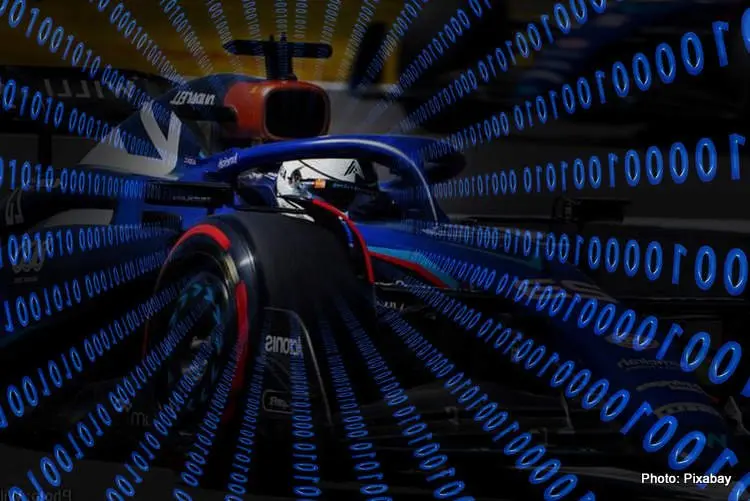
Modern motorsport, particularly Formula 1, has been rapidly transforming into a high-tech, data-driven industry where people's predictions are being shaped by a blend of massive data sets, real-time betting odds and advanced strategic simulations.
With every car producing over a terabyte of data each race weekend, you can now analyze things like tire wear, fuel consumption and weather in real-time to make precise, algorithmic forecasts.
With the upcoming Australian Grand Prix 2026 just around the corner, many motorsports fans and analysts will be trying to make predictions on what the outcomes will be. Motorsports has always been about precision, preperation and the ability to anticipate what will happen next.
From tyre strategies to pit-stop timing, success in racing has often depended on your ability to interpret data and predict outcomes better than your competition.
In recent years, the growing intersection of motosports analysis and betting sites like www.online-betting.org has added another layer to how fans are interacting with racing events. For fans of Formula 1, MotoGP or any other kind of endurance racing, being able to analyze the race statistics and understand the performance trends has become almost as exciting as watching the race itself.
The Data-Driven Nature of Modern Motorsport
When it comes to modern motorsports and particularly Formula 1, data has replaced intuition when it comes to performance, with cars having now basically become moving supercomputers. Motorsports generates vast amounts of data, with teams tracking things like:
- Telemetry data
- Tyre degradation
- Fuel loads
- Weather conditions
- Driver performance
Each car is equipped with approximately 300 sensors that monitor everything from tyre pressure and brake wear to aerodynamic loads and fuel consumption. These sensors generate over 1.1 million data points per second, which means that a single car can produce up to 1.5 terabytes of data over a single race weekend.
Motorsports teams are now using predictive simulations to run billions of simulations per race weekend using cloudsoftware to evaluate thousands of potential scenarios like the impact of a safety car or unexpected weather conditions.
Beyond the track, real-time insights like overtake predictions and driver performance analytics are being integrated into race broadcasts. The availability of telemetry has also transformed motorsport betting into an analytical field.
Bettors are also using their dashboards to track things like lap time differentials and tyre temperatures as a way to anticipate shifts in the market before the bookmakers update their odds.
Why Race Predictions Have Become So Popular
The fact that, as a fan, you now have access to the same high-level telemetry and modelling tools that are used by professional pit walls is one of the biggest reasons why race predictions have surged in popularity.
They've empowered you to become an active, strategic participant in the races as opposed to just being a spectator on the sidelines.
Dedicated fans get to enjoy "reading the grid" by spotting patterns in things like:
- Long-run pace
- Qualifying consistency
- Tyre management
Predicting the outcomes of races has become a sort of social ritual where you can share and debate your "calls" with other fans in group chats and on social media. This creates an exciting competitive community layer over the live event that makes the anticipation all the more thrilling.
This shift from gut-instincts to data-driven betting has made motorsports betting more analytical and strategic. Real-time data streams have also made in-play betting possible, where you can place bets on granular events within the race, like the duration of the next pit stop or who the winner of a midfield battle will be.
Understanding How Odds Reflect Performance
If you're unfamiliar with them, sports odds can seem like they're just a bunch of random numbers. However, they're actually a reflection of the market's expectation of how an event might unfold. Betting odds act as dynamic probability models that translate complex technical data and track events into a financial value.
Instead of just predicting the winners, oddsmakers put a price on the cost of uncertainty based on factors like real-time telemetry and historical performance. The odds are basically a mathematical representation of how likely a bookmaker believes that an event is to occur.
- Low odds indicate a high probability or the favorite, but they usually offer smaller payouts.
- High odds imply that something is a long shot, so they have a lower probability but higher potential returns.
When it comes to racing, odds can shift dramatically based on developments like:
- A team introducing a major car upgrade
- Weather forecasts affecting race conditions
- Driver penalties during qualifying
- Unexpected reliability issues
Other factors also come into play, like if a car sets consistently quick lap times during practice, its odds will typically drop as bookmakers adjust for proven speed. For example, rookie Arvid Lindblad's strong performance in Melbourne practice sessions (finishing ahead of teammate Liam Lawson) quickly made him a favourite in head-to-head qualifying markets.
Motorsport Fans and the Future of Interactive Sports Viewing
As Formula 1 and other racing series continue to grow globally, the ways fans interact with the sport are evolving. Features like live data feeds, predictive analytics, fantasy leagues, and interactive race simulations are becoming a part of the viewing experience.
Prediction and sports analytics websites are just one piece of this broader ecosystem, allowing you to test your knowledge of racing strategy and performance trends.
Latest News






Loading