
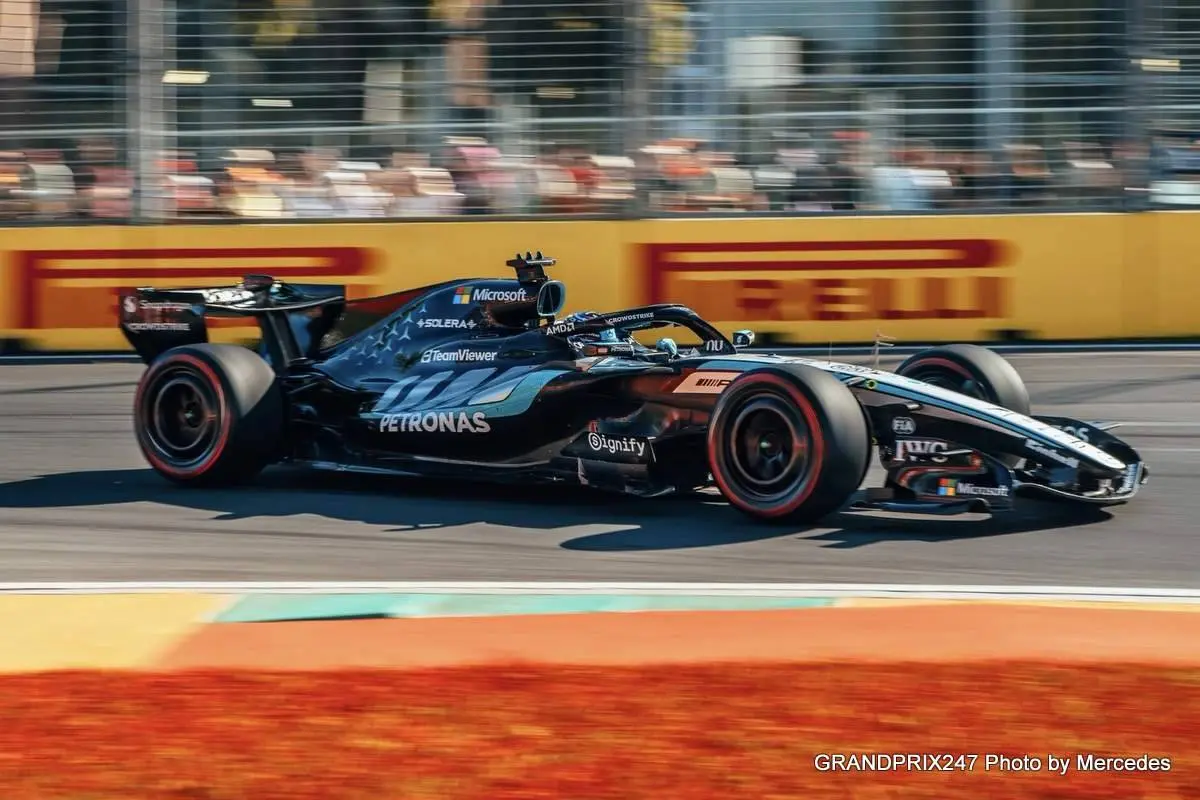
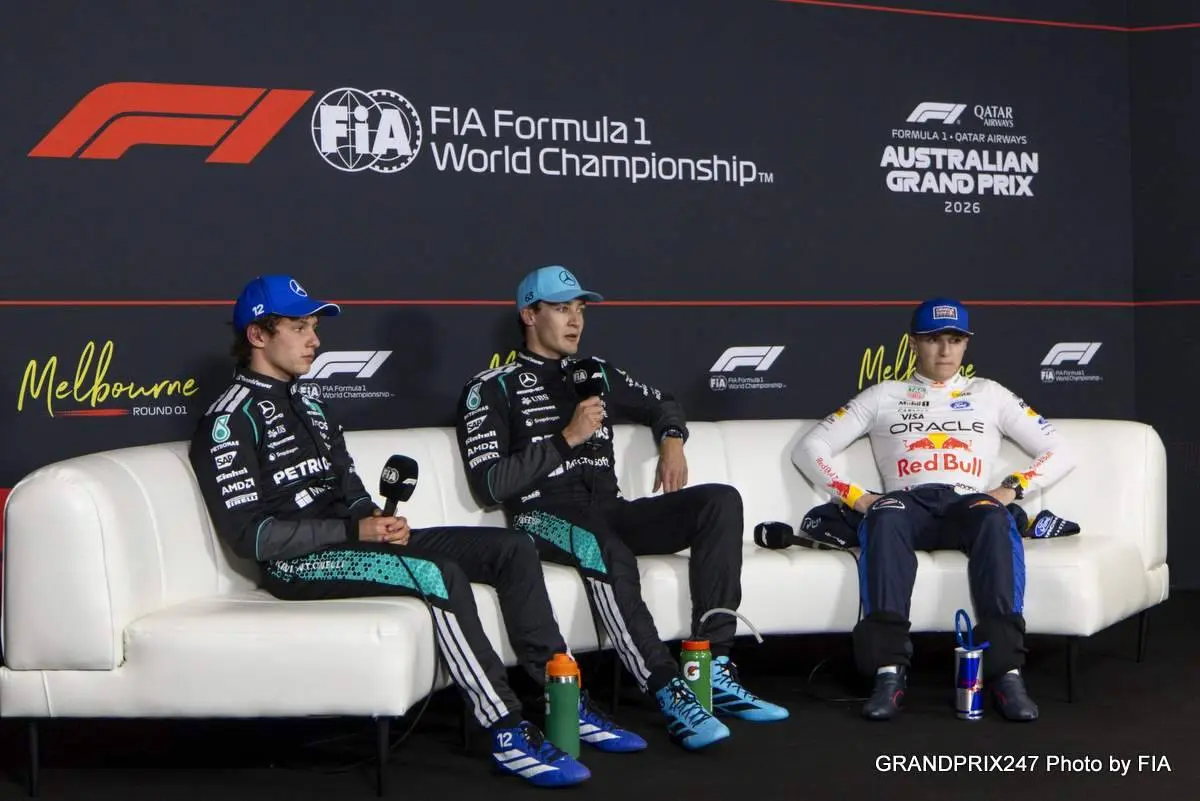
The roar of the engines at the Australian Grand Prix this weekend marks more than just a new season. It signals the dawn of the most radical technical transformation in the history of Formula 1.
While the
silhouettes on the grid might feel familiar, the machines underneath the carbon
fibre are worlds apart from the cars that rounded out the 2025 campaign.
Teams have spent the winter grappling with a total overhaul
of the sporting code, spanning engines, aerodynamics, fuel and tires. This
shift hasn’t only reset the competitive hierarchy but has also added a layer of
complexity for those engaged in f1
betting, as traditional performance benchmarks have been completely
rewritten.
The Power Unit Revolution
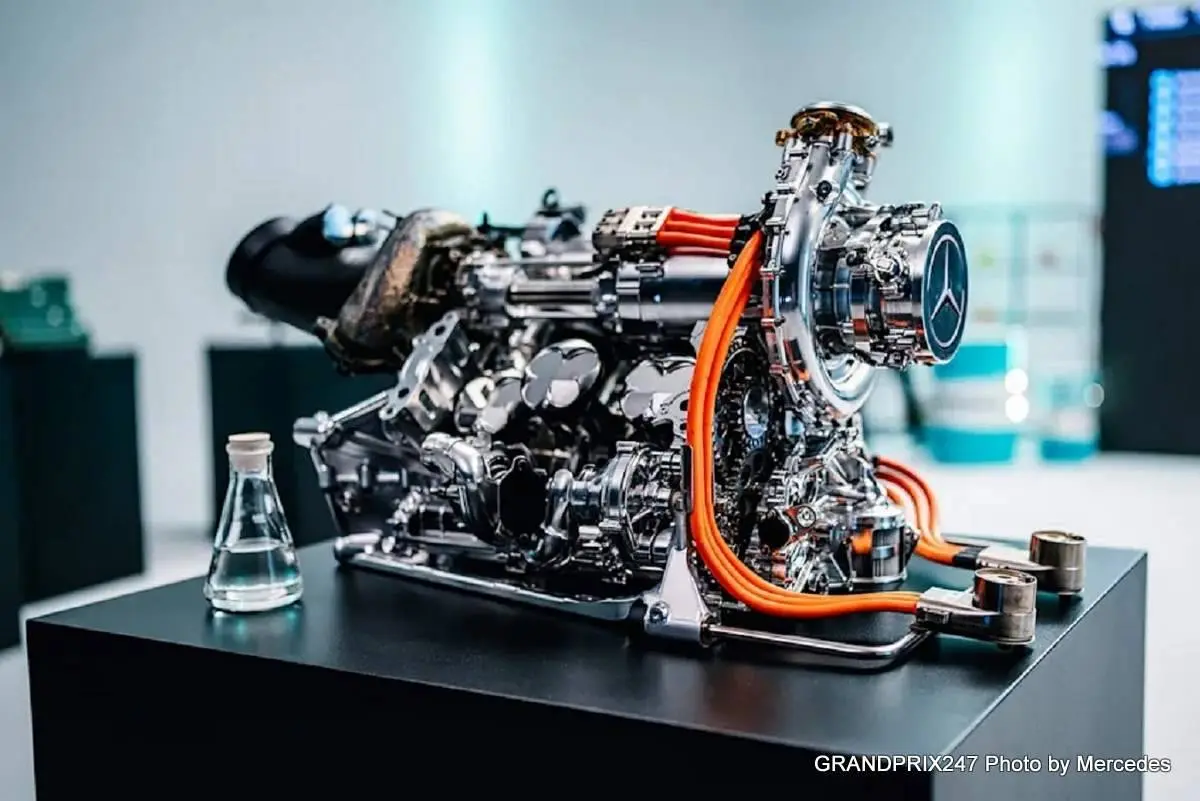
The most significant change lies within the heart of the
car. While F1 retains the 1.6 litre V6 turbo hybrid architecture, the internal
balance of power has shifted. Previously, the internal combustion engine (ICE)
provided roughly 80% of the car's 1,000bhp.
Under the new regulations, the
split is nearly 50/50. The electrical components now generate approximately
470bhp, which is triple the output of previous years, despite the battery
remaining roughly the same size.
To simplify the power units and attract new manufacturers
like Audi and Ford, the FIA removed the MGU-K (Heat). This was a complex system
that recovered energy from the turbocharger. Now, only the MGU-K (Kinetic)
remains to harvest energy from the rear axle.
However, this has created a
massive challenge known as energy starvation. Without the heat recovery system,
cars struggle to recover enough electricity to maintain maximum power
throughout a full lap, forcing drivers to manage their state of charge with
surgical precision.
A New Aerodynamic Philosophy
For the past few seasons, F1 was defined by ground effect
aerodynamics. This involved using venturi tunnels under the car to suck it
toward the tarmac. While effective for downforce, this required incredibly
stiff suspension that left drivers complaining of back pain and discomfort.
The 2026 spec cars have abandoned ground effect in favour of
a step-plane philosophy. The underside is now flat between the wheels, allowing
for a more forgiving suspension setup. To aid agility, the cars are also
narrower, shorter and 30kg lighter.
While pre-season testing suggests these
cars are currently about two seconds slower per lap than their predecessors,
the increased manoeuvrability is expected to improve wheel to wheel racing.
Active Aero and the Death of DRS
Because the new engines are so dependent on electrical
energy, the cars faced a drag problem on long straights. To solve this, F1 has
introduced active aerodynamics. The front and rear wings now feature a
straight-line mode where they lie flat to reduce air resistance and increase
top speed.
This change has effectively killed the traditional Drag
Reduction System (DRS). Since the wings are already open on the straights to
save energy, the old one second overtaking aid is gone. In its place is a new
Overtake Mode, which allows a following driver to deploy their electrical boost
for a longer duration to facilitate a pass.
The New Challenge for Drivers
The driving style required for this new era is vastly
different. To keep the battery charged, drivers are employing several specific
techniques. Drivers often stay in a higher gear than necessary through slow
corners to keep the turbo spinning. This allows the engine to charge the
battery even when not at full tilt.
They also use lift and coast, which involves lifting off the
throttle significantly before a braking zone to maximize kinetic energy
recovery. There is also a technical manoeuvre known as super-clip harvesting.
This is where the engine is used as a generator while the driver is at full
throttle on a straight, effectively clipping top speed to ensure there is
enough energy for the next sequence of corners.
Drivers must also manage a new Boost mode. Unlike the
restricted Overtake mode, Boost can be used anywhere on the track for attack or
defence. However, it’s a double-edged sword. Using it to defend into one corner
might leave a driver energy starved and defenceless on the following straight.
Sustainability at the Forefront
Finally, F1 has officially moved to 100% sustainable fuels.
These carbon neutral concoctions are derived from waste biomass or synthetic
industrial processes, ensuring the sport remains relevant in a world moving
away from fossil fuels.
Combined with smaller tires, reduced by 25mm at the
front and 30mm at the rear to reduce drag, the 2026 season represents a lean,
green and highly technical vision for the future of motorsport.
As the lights go out in Melbourne, the grid enters the
unknown. With cars that are constantly emptying and recharging their lungs, the
driver who best masters this high-speed energy puzzle will likely be the one
standing on the podium.
Latest News




Loading