Horner on why veteran Ricciardo flopped while F1 rookies shine
F1 NewsSaturday, 05 October 2024 at 09:30
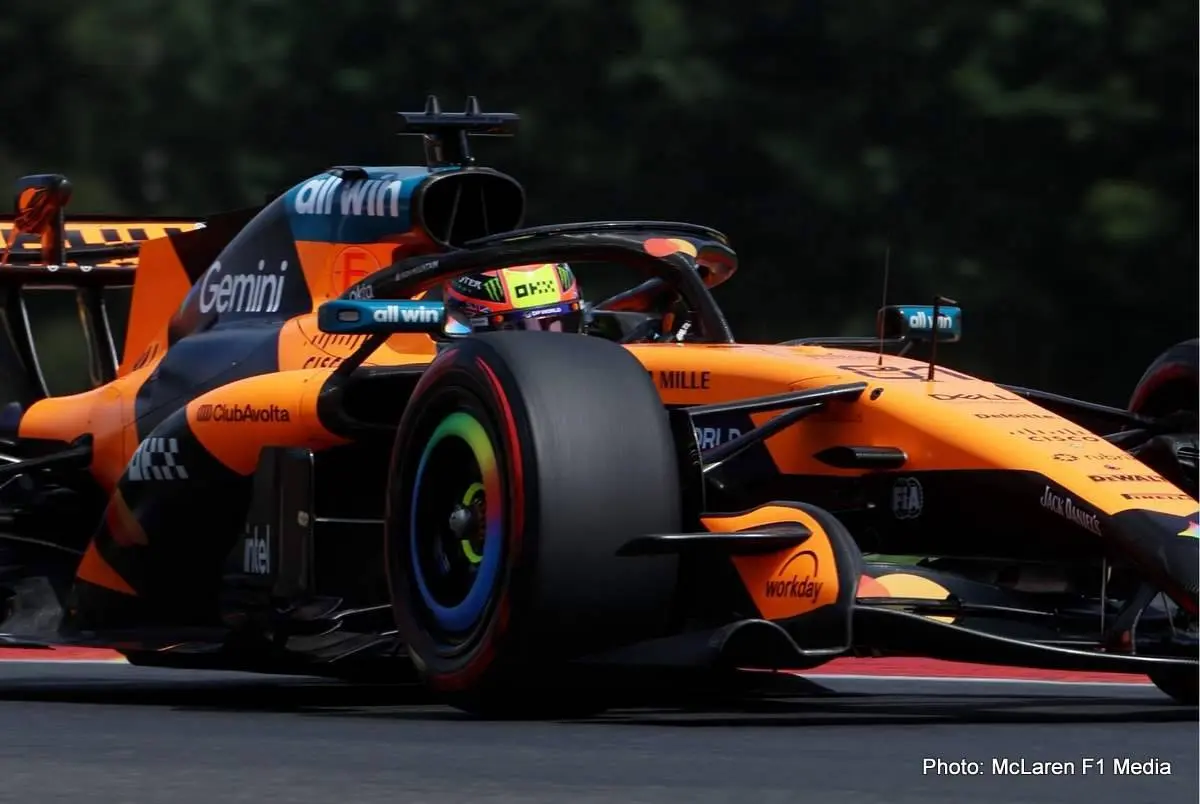
McLaren tried in vain for two Formula 1 seasons to find the real Daniel Ricciardo, but they couldn't. Ditto Red Bull through their VCARB junior team, who gave him 26 chances to redeem himself, but he failed.
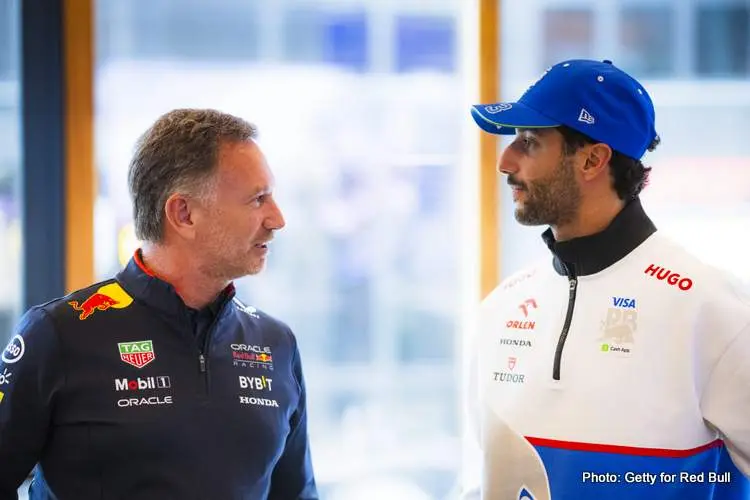
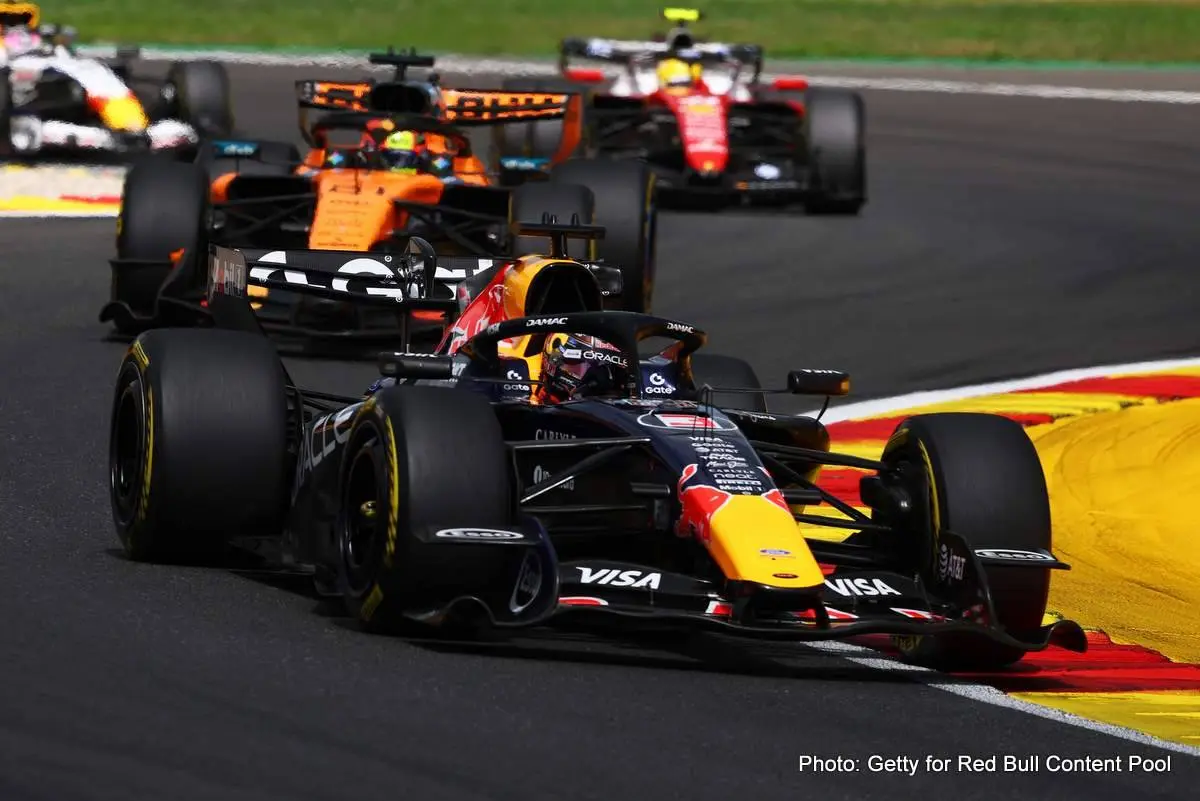
Unless he gets a reserve call-up in the future, Ricciardo raced his final Grand Prix in Singapore on 22 September for VCARB. He will be replaced from the United States Grand Prix Liam Lawson, and not from lack of trying by Red Bull team principal Christian Horner.
He had big dreams for Ricciardo. With Sergio Perez underperforming alongside Max Verstappen in the 'Senior Team' it would only take a few races for Dan to get in the zone with VCARB, destroy teammate Yuki Tsunoda, and get the call-up to replace the Mexican. That did not happen.
In fact, it was the most bizarre and inept case of man management by Horner imaginable, as Perez and Ricciardo attended team events with the Australian blatantly telling all he was vying for the Mexican's seat. Pure bad manners and shocking leadership.
Of course, Horner's script for Dan - once respected and admired as one of the great F1 overtakers of his era - failed, abysmally. The 35-year-old in their junior team was bad. Even just about average and erratic 24-year-old Tsunoda owned him for most of the 25 GPs they raced together as teammates.
Early on the comeback trail, Ricciardo crashed during the Zandvoort GP weekend; a broken wrist sidelined him for the next five races. Step up Liam Lawson, who stunned all with strong enough performances to keep the Aussie out of a seat.
Horner was instrumental in getting Ricciardo back on the grid

However, apparently pushed by Horner, Ricciardo continued in the car while Lawson was confined to watching races on the TV again. But not anymore, starting with the next round at COTA.
So what went wrong with Ricciardo? Horner attempted to answer during a F1 Nation podcast: “When you get to Formula 1, you’re getting a huge amount of information because you’ve got everybody analysing how hard you hit the brake, where you brake, when you brake, your style, your positioning, the energy that you’re putting through the tire—all of those elements.
“So you’re getting all of those cues. What you tend to find with a young guy, and Daniel was exactly the same that, when he jumped in our car alongside Sebastian Vettel, the young guys just seemed to have the ability to adapt very quickly.
“Maybe because they’re not spoilt by other preconceptions of how a car should be, they just adapt and drive the thing quickly, which was exactly what Daniel did back in 2014—we'd gone from obviously the V8s to the V6s, and the car that year had a different characteristic. All the exhaust blowing had gone and so on, which made the car a little more nervous on entry.
Horner: Ricciardo got the better of Vettel in 2014

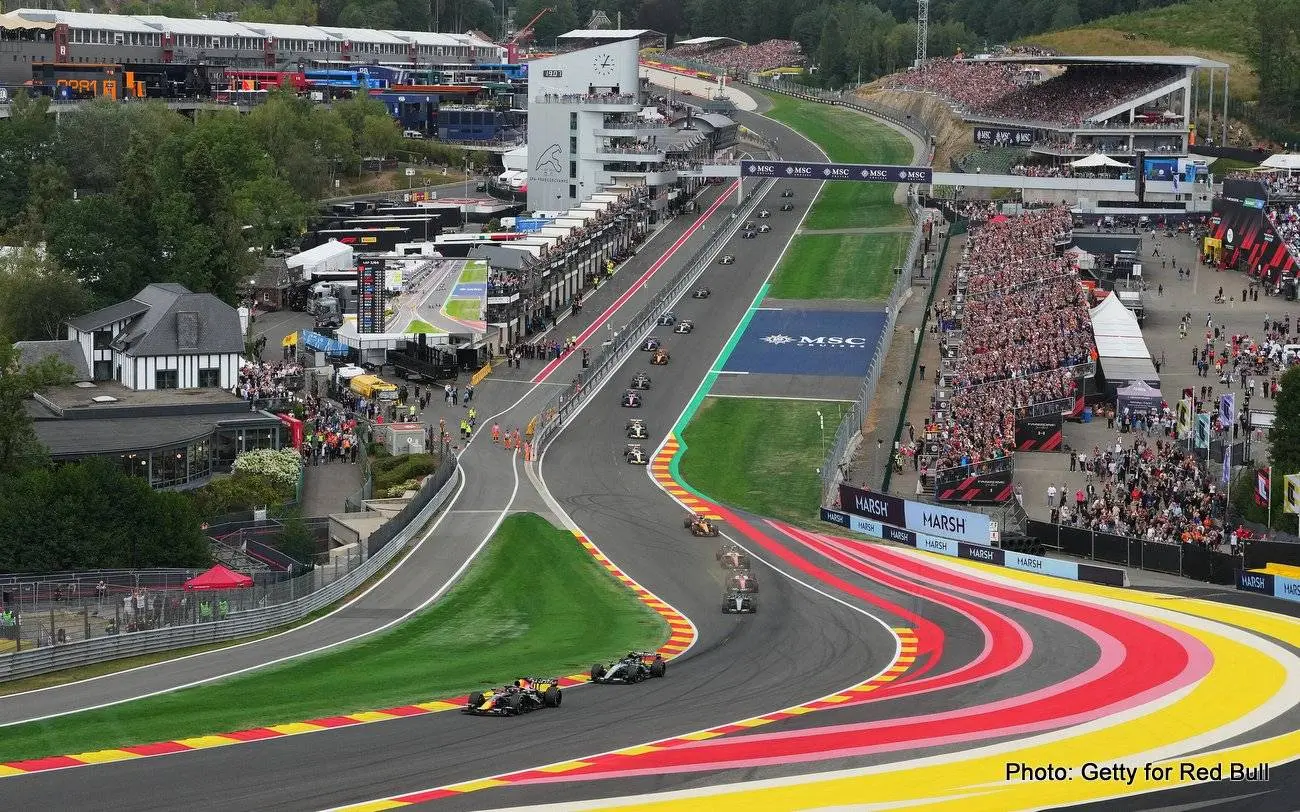
Horner continued: “He, very quickly, got the upper hand on Sebastian that year in 2014 and was able to cope with that way better than Seb did and, indeed, went on to win three races that year at Spa and Hungary, and, of course, his first race win in Montreal.
“I think it’s perhaps as they get longer into their career, they’re less accommodating of driving not-so-great cars, or cars that have vices because they’re always benchmarking it against some of the better cars that they’ve had.”
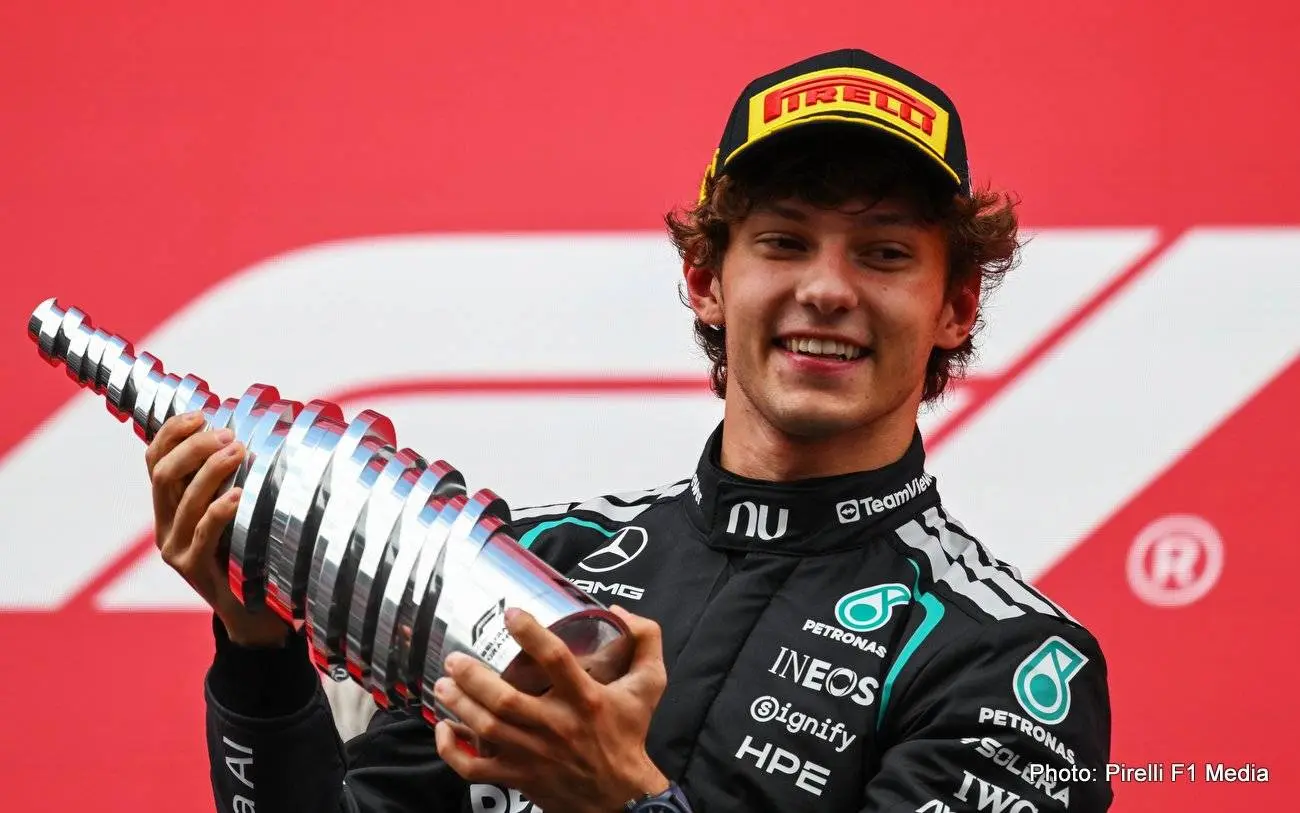
Apart from Lawson, youngsters such as Oliver Bearman for Ferrari and Haas and sensational Williams rookie Franco Colapinto have been plug-and-play. Both were super impressive in their first races in the top flight.
Asked why F1 rookies could impress so quickly while Ricciardo struggled, Horner replied, “It’s difficult to say, but the young guys, they get in, they’re hungry, and they just drive the wheels off it. And that’s what we’re seeing with all these juniors that are coming in at the moment.
“They’re well prepared, they race well, they understand how to conserve the tyres, and so on. Bearman and Colapinto have done a super job," acknowledged Horner, without quite providing a believable reason for why Ricciardo could never get his magic back.
Latest News




Loading