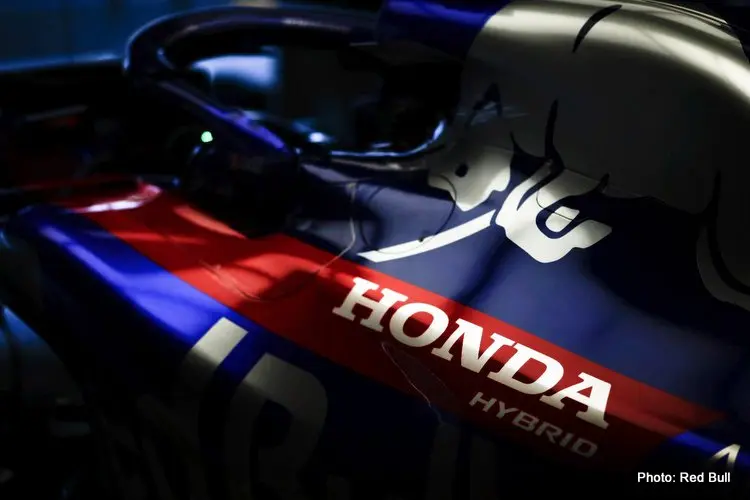
If at first you don't succeed try again, and again and again and again, seems to be Honda's mantra as they grapple with their hybrid turbo power unit package which will be bolted on top four cars for the first time in this era - Red Bull and Toro Rosso.
But now, Honda motorsport chief Masashi Yamamoto believes they have found the right direction to pursue in developing their engine and expects his team to produce the third best engine on the grid (behind Ferrari and Mercedes but ahead of Renault and develop it during the course of the season.
Speaking to Motorsport Network, Yamamoto revealed, "After four years of our development and trying, we think we are now finding the right direction and where to go – much clearer than last year, or two years ago. So we think we can speed up our development."
The comments suggest that Honda engineers found the "right direction" finally, but begs the question: were they going in the wrong direction for the past four years?
"We will make a big effort during the winter, and now of course. At least we would like to start from third within the manufacturers, then try to catch the frontrunners up during the season."
Thus the in-season development war may be fiercer than ever before, but Honda will not be alone in developing their package, their rivals sure to be improving their units too.
No surprise Yamamoto is not making any predictions with regards to when they will match the pacesetters, "We are not really keen to say a specific time, but Mercedes and Ferrari have loads of knowledge of the grey areas, so they are still ahead of us."
At the season finale in Abu Dhabi, Honda's F1 technical boss Toyoharu Tanabe told reporters, "To tell you the truth, we're still learning from the latest specification at the track. That's not [always] a good thing, but it's a little bit harder to understand everything on the dyno."
Which highlights the paradox of modern Formula 1 whereby engine suppliers are expected to develop the most complicated and expensive car ever made with very little real-world time to test and develop their products due to the sport's contentious testing restrictions.
Instead, in design rooms theory combines with computer simulation to deliver a final product. Although simulation is cool, pounding the tarmac is the real deal as recent history in the top flight has proven.
On paper, when they returned in 2015, Honda believed they had produced a good F1 PU package, in the lab they were no doubt hitting all the right numbers but when it came to real-life the thing was a disaster and it's been embarrassment and catch-up ever since.
Ditto the same scenario for Ferrari and Renault in 2014 when they too were caught out by sim versus real as their first editions of the current PU were way off. In retrospect, only Mercedes got their sums right with the new technology.
Now after three miserable years with McLaren and a ho-hum season with Toro Rosso, Honda "think" they have found the light - that's what the dyno is telling them - but as always the truth will be revealed on the first day of real testing, on a real track, in Barcelona next month.
Latest News
Loading