Grand Prix weekends compress months of engineering into ninety minutes of public physics. Margins hide in tire carcasses, brake temps, gusts, and guts; a tenth secured in Turn 3 becomes folklore by sunset.
The canvas is moving asphalt, the brush is airflow, and the paint dries at 5G. On another screen, live markets study the same turbulence. For operations built on sports betting bookie software, Formula 1 probability shifts with each sector split, pit window, or Virtual Safety Car.
Pricing engines read tire age, traffic, and safety risk the way strategists read telemetry; both chase the same truth a lap before everyone else.
The anatomy of a fast lap. Nothing about a lap is single-threaded. Entry belongs to braking stability and tire temperature; mid-corner lives or dies by aerodynamic load and yaw sensitivity; exit becomes a traction negotiation that either gifts DRS range or surrenders it.
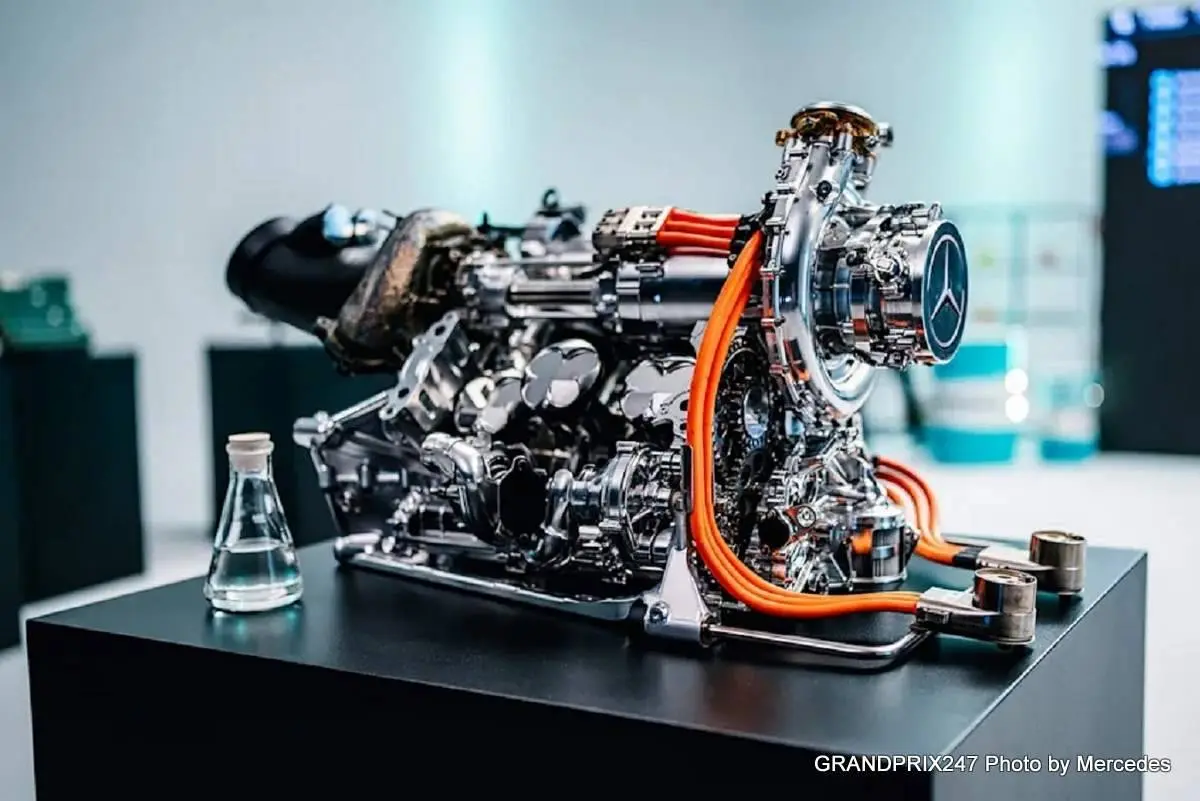
Power units translate fuel energy into thrust while harvesting on the way in; software negotiates torque to stop wheelspin from torching a stint. When it works, “fast” looks effortless. When it doesn’t, effort looks slow.
Signals a title challenge is real
- Corner-to-straight coherence — Rotation without drag debt. Cars that point early yet rocket away show floor efficiency and crisp mechanical balance.
- Tire honesty — Pace that survives lap 15. Strong stints keep degradation linear; cliff-free rubber beats one-lap fireworks.
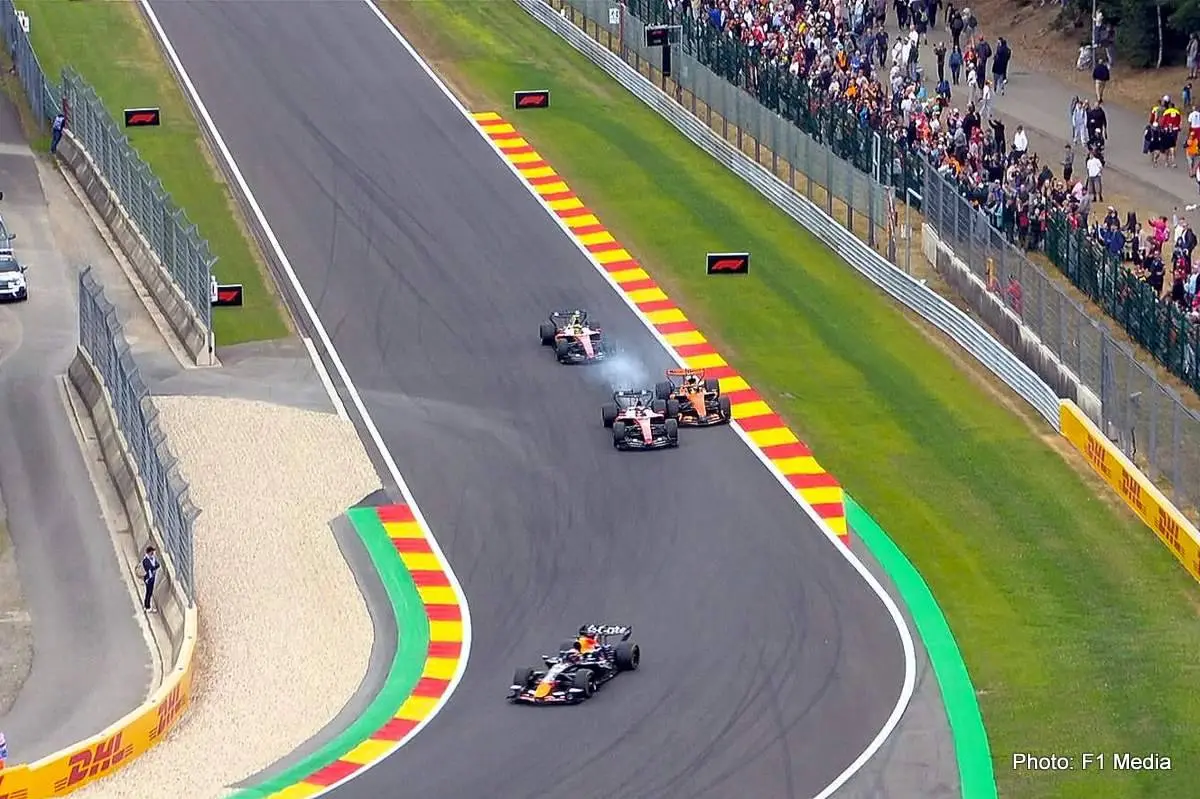
- Traffic fluency — Passes made without drama. Robust cooling and stable aero wake allow following closely and clearing midfield trains.
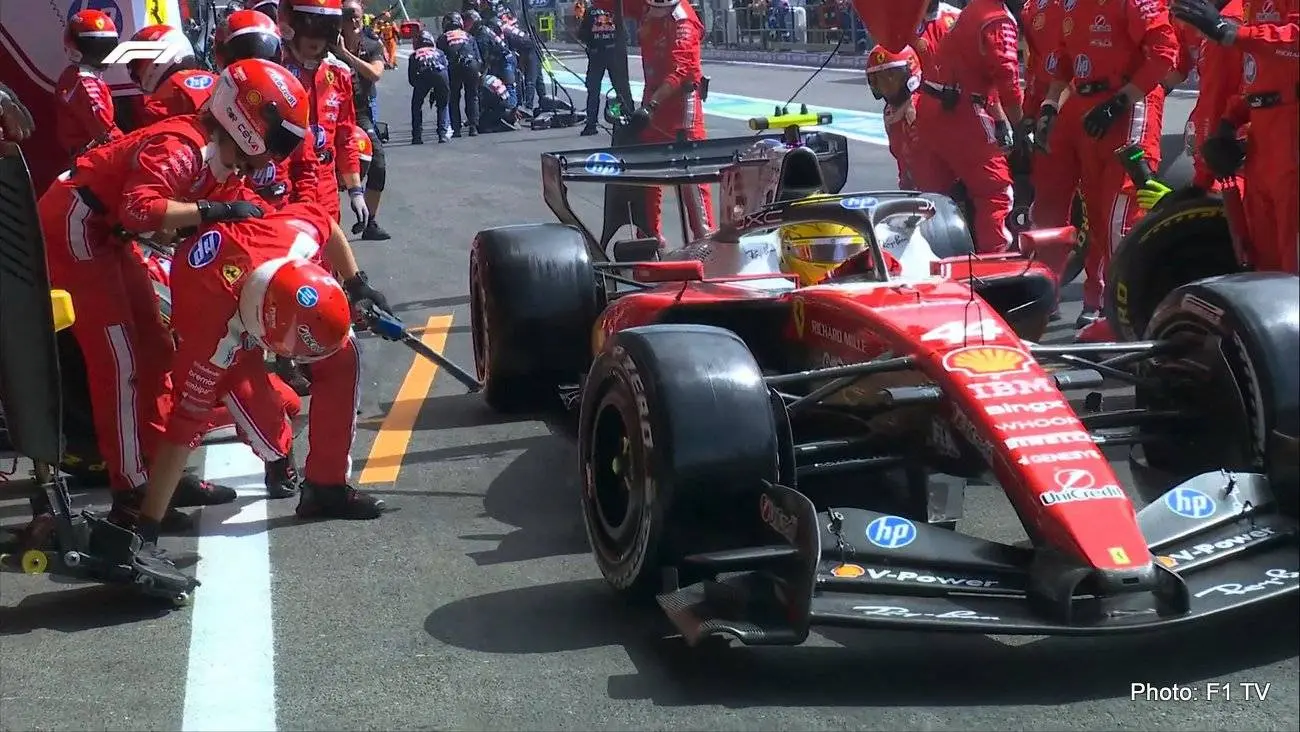
- Pit stop repeatability — Jacks, guns, and human choreography. Sub-three-second stops across a season beat one viral 1.9.
- Weather literacy — Slicks at the right minute. Teams that read cloud maps and drainage patterns bank free time when others hesitate.
Racecraft is logistics at speed

Sunday pace begins on Thursday. Freight lands, garages assemble, procedures run like a traveling factory. Setups converge to a window, not a number; ride height plays chicken with kerbs, and wing levels court a slipstream without drafting into porpoising.
Driver coaching focuses on three corners that price the lap; overdriving the rest adds noise to the tire model. Fuel loads map to race intent: undercut hunters carry light, overcut believers carry margins.
Safety Cars rewrite intent. A cheap stop can flip a midfield day into a podium; a mistimed stop traps fresh tires behind stubborn traffic. Strategy rooms rehearse branches all week: “SC Lap 10, VSC Lap 32, red flag on Lap 1.” When chaos arrives, muscle memory does the thinking.
Human systems, machine limits
Modern cars perform like flying labs. Sensors report every shiver; limiters protect components from heat-soak and hubris. Yet the lap is still written by fingertips and neck muscles. Brake modulation keeps carbon alive, throttle discipline respects rear tread, and steering inputs stay small enough for aero to keep faith.
Radio traffic is less poetry than project management: delta targets, lift-and-coast, fail modes, strat switches. The sport rewards clarity under heartbeat, not volume under pressure.
Pit walls live in two time zones: the one on the track and the one in the model. Live traces collide with precomputed scenarios; when they match, confidence stays high. When they diverge, judgment earns the paycheck.
Development is a season-long heist

A championship bid steals time in grams and pixels. New floors bring cleaner vortices; lighter bodywork buys ballast flexibility; updated front wings trade turn-in bite for stability in dirty air if the calendar says street circuits. Correlation is the guardian at the gate: wind tunnel, CFD, and track must agree. If a part tests fast but races slow, production pauses until the story reconciles.
Power-unit providers chase efficiency, not just power. Energy recovery pays dividends at traction zones; thermal management keeps ICE life on plan. Reliability is more than finishing; it is staying free of grid penalties that turn a front row into a back foot.
Pit wall playbook for chaotic Sundays
- Undercut physics — Fresh rubber plus out-lap fury. Aim for clear air and pit-in pace; a sluggish out-lap wastes the knife.
- Overcut math — Track position as currency. If rivals hit traffic, clean laps on worn tires can bank time.
- Safety-car opportunism — Stop now, think later. A narrow pit window becomes a runway when the field compresses.
- Two-stop vs. one-stop — Thermal ceilings decide. If track temps cook rears, add a stop and attack.
- Team orders with respect — Swap fast, swap back. Clean exchanges avoid losing both cars to a single defense.
Broadcasting pressure, bottling calm

Cameras celebrate overtakes; championships celebrate the long, uneventful middle where fuel targets hit, brake temps stay green, and out-laps land. Communication carries the tone: short verbs, single numbers, no metaphors. “Box, box” beats a paragraph. Leadership culture echoes on the radio; growth-mindset outfits turn errors into learning before parc fermé, not after the debrief.
Fans feel this cadence. Trust grows when penalties arrive fast, timing graphics align with reality, and stewarding explains itself. Data makes the show legible; mystery turns to myth only after the flag.
The future arrives one compromise at a time
Rule sets will keep rebalancing downforce, wake, and weight. Sustainable fuels push chemistries; battery tech trims mass; cost caps turn creativity into a resource instead of a runaway. Street layouts demand ride compliance; classic circuits demand aero bravery. The constant is trade space: straight-line speed against tire life, clean air speed against following, glory laps against points hauls.
Chequered truths
Formula 1 is the pinnacle of the sport that rewards the boring superpower of doing simple things under complicated pressure. Build a car that turns without scrubbing speed; pit with metronomic choreography; choose the lap that flips track position; keep tempers and tire temps in range.
Titles don’t just belong to out-braking moves into Turn 1; they belong to the invisible arithmetic that turns risk into rhythm, week after week, until the math runs out and the confetti starts.
Latest News
Loading