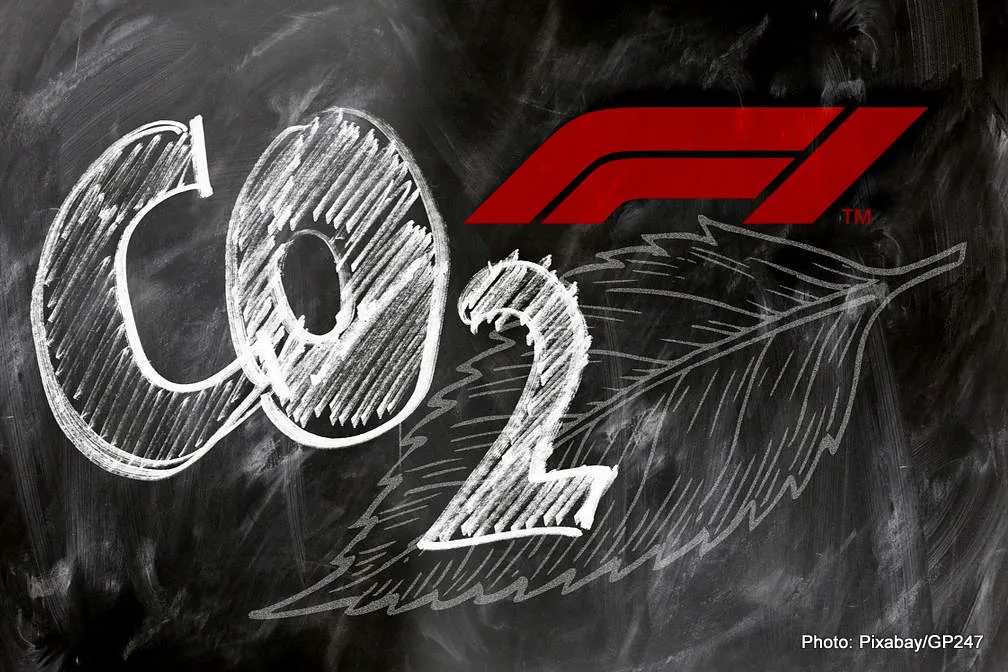
Formula 1’s push towards sustainability faces significant challenges, with its head of environment, social, and governance (ESG), Ellen Jones, emphasising there is “no silver bullet” to decarbonising the sport. Ellen Jones, emphasising there is “no silver bullet” to decarbonising the sport.
Jones, who joined Formula 1 as its first head of sustainability in 2022, highlighted the complexities of reducing the championship's carbon and material footprint while maintaining its global reach and intense competition.
Formula 1 has committed to achieving net-zero carbon emissions by 2030—a bold ambition for a sport with a massive operational scale. The organisation plans to cut 50% of its emissions, using 2018 as the baseline, before offsetting the remainder through carbon credits. In 2018, F1’s carbon footprint amounted to a substantial 256,551 metric tonnes of CO2 equivalent. By 2022, the sport had reduced its emissions by 13%.
However, this progress highlights the difficulties of decarbonising a sport that spans the globe. F1 cars themselves contribute just 0.7% of total emissions, with logistics—encompassing road, air, and sea transport—making up 45% of emissions and employee and team travel accounting for 27.7%.
Despite suggestions to cut down on the number of races - an idea driven by the sport’s expansion from 16 events in the 1980s and 1990s to a record 24 races in 2023 - Jones told PA Media that F1 is not planning to reduce its schedule. Instead, the focus is on proving that growth can be sustainable: “We never say there’s one silver bullet.”
Improving logistics has been a key focus for Formula 1

Jones stresses that it’s possible to reduce emissions while maintaining the current size of the championship: “What we’re really focused on is: What are the solutions and the steps we take to drive [down] carbon emissions, rather than saying there’s one solution to fit all?”
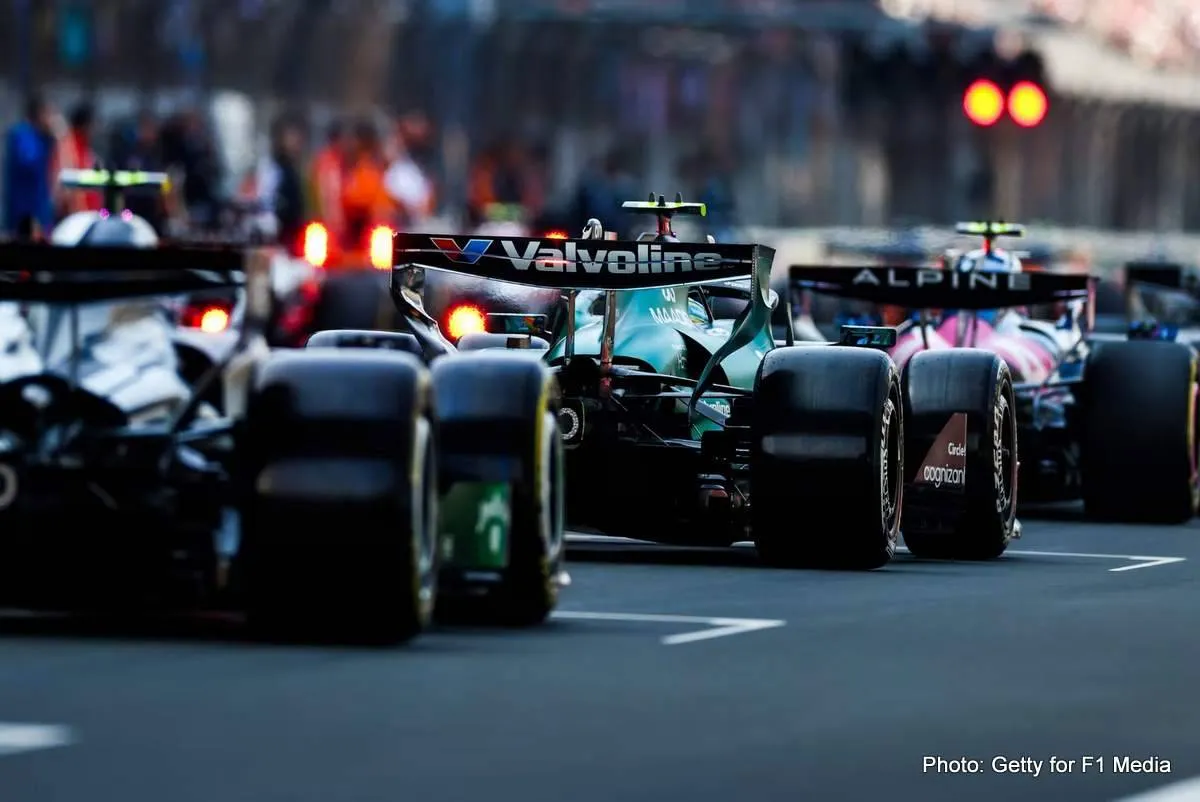
A major focus has been on improving logistics. Recent calendar adjustments aim to reduce the distance teams and equipment travel between races. In 2024, for example, the Japanese Grand Prix will take place in April to align with the Chinese Grand Prix, and the Qatar Grand Prix will be held back-to-back with the Abu Dhabi race. However, the possibility of holding midweek races to further group events regionally is not currently on the table.
Formula 1’s decarbonisation plan involves a multi-faceted approach. The sport is investing in alternative fuels, collaborating with race organisers to switch to renewable energy, and exploring more sustainable transport options.
Carbon credits will be used to offset hard-to-abate emissions, though Jones explained that offsetting is a last resort, only to be implemented after maximising emission reductions: “We’re absolutely watching the market and the latest science on offsets."
We won’t succeed unless we have all of F1 pulling and delivering with us

One of the most significant challenges F1 faces is shifting the culture of the sport from competition to collaboration. For decades, teams have operated in silos, competing fiercely and guarding their innovations closely.
Jones described the shift as difficult but necessary, explaining that Formula 1’s sustainability strategy depends on collective action from all stakeholders, including teams, sponsors, logistics providers, and event organisers.
“We won’t succeed unless we have our teams, our partners, and our logistic providers all pulling and delivering with us,” Jones emphasised.
In addition to developing the overall sustainability strategy, Jones works closely with each stakeholder group to create tailored action plans. Despite the competitive nature of the sport, she noted that teams are eager to implement new sustainability solutions once they are developed.
“That level of competition is fantastic,” Jones said, noting that after the initial race to adopt solutions, teams are increasingly willing to share best practices and push the boundaries of what’s possible.
For Jones, the sport's leadership in sustainability has the potential to inspire other industries to follow suit: "That’s the kind of brilliance of F1. And even further out, by sharing best practices, we want people to say, ‘Ah, if Formula 1 can do this, we can do this.’”
Latest News

Loading