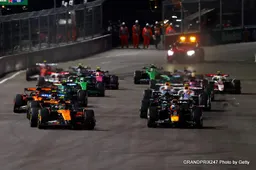
The roar of engines and the allure of high-stakes betting have long shared a symbiotic relationship. Formula 1, a pinnacle of global sport, operates on a financial model where sponsorship is the essential fuel.
For decades, tobacco and alcohol brands dominated the livery, but a new era dawned with the arrival of casino sponsors. These Formula 1 partnerships brought immense financial power and complex ethical questions.
The relationship, much like a high-roller's visit to the Lucky Hills online casino, is defined by massive risk and the potential for even greater reward. This fusion of speed and chance has permanently altered the sport's commercial landscape. We now examine the pivotal facts, impacts, and future of this controversial alliance.
Key Facts: The Casino Sponsorship Data Dive
- In 2023, eight of the ten F1 teams featured at least one gambling-related sponsor on their car or driver's suit.
- The total estimated value of active gambling sponsorships in F1 for the 2024 season exceeded $350 million.
- Stake F1 Team Kick Sauber's title sponsorship deal, announced in 2023, is reported to be worth over $100 million across two seasons.
- A 2022 study found that 60% of F1's global fanbase could recall at least one gambling sponsor from race broadcasts.
- The UK's landmark ban on gambling sponsorship in sports, set for 2025, will force at least three teams to radically alter their primary livery.
- During the 2021 season, gambling brands accounted for approximately 15% of all trackside advertising at Grand Prix events.
- The partnership between Aston Martin and a crypto casino in 2022 was the sport's first major foray into Web3 gambling sponsorship.
The Pits and Podiums of Partnership

This influx of capital provided teams with a crucial financial advantage. It funded advanced wind tunnel time, coveted driver salaries, and cutting-edge material research.
For the casinos, F1 offered an unparalleled marketing platform: a young, global, and affluent demographic obsessed with data, risk, and adrenaline. The association with technological excellence and a luxury lifestyle was priceless.
However, the pit lane of public opinion proved treacherous. Critics argued the sport was glamorizing gambling to an impressionable audience, blurring the line between sporting skill and games of pure chance. The constant visibility of betting odds during broadcasts further entwined the two worlds.
Navigating the Regulatory Chicane
The regulatory environment is now the most significant challenge. The impending 2025 ban in the UK, a historic home for the sport and many teams, acts like a sudden chicane on a fast straight. Teams must decelerate their reliance on this revenue stream and seek new partners.
This shift is forcing a strategic rethink. Teams are exploring sponsorships in sustainable technology, premium consumer electronics, and advanced software.
The transition is costly and complex. It mirrors the high-stakes decision-making in a casino, where a player must know when to walk away from one table and find another. The long-term financial stability of midfield teams, in particular, hinges on this pivot.
A Future Beyond the Betting Window

The legacy of the casino era will be a mixed grid. It undoubtedly accelerated the sport's commercial growth and global reach post-2020. Yet, its sunset may lead to a healthier, more diversified sponsorship ecosystem.
The focus is shifting toward long-term brand alignment over short-term financial injection. Future partnerships will likely emphasize innovation, sustainability, and direct fan engagement technologies. The era proved that F1's commercial appeal is immense and versatile.
The sport can attract major investment without relying on contentious industries. The final lap of this partnership is underway, and the checkered flag waves in 2025.
The casino sponsorship era was a high-speed, high-risk venture that funded a period of incredible growth for Formula 1. It provided essential capital but at a significant reputational cost. As regulations tighten, the sport is executing a necessary pit stop to change its commercial tires.
The ultimate takeaway is clear: adaptability is the most valuable currency in both F1 and business. The teams that successfully navigate this transition will secure their position on the grid, proving that sustainable success requires more than just a lucky spin.
Latest News
Loading