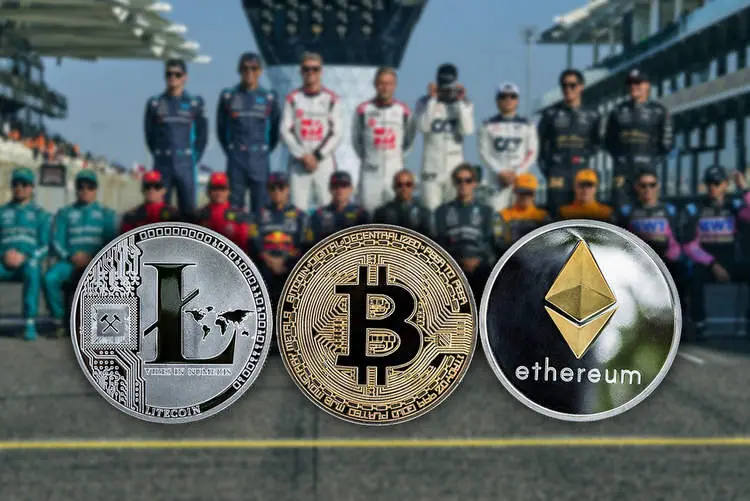
Formula 1, the pinnacle of motorsport, is a world of roaring engines, cutting-edge technology, and sky-high salaries paid to superstar drivers most likely by traditional bank transfer, but could this happen in the form of Cryptocurrency in the future?
Drivers like Max Verstappen and Lewis Hamilton command tens of millions per year, their earnings often tied to traditional financial systems. In this era of digital transformation, where the financial landscape is evolving, a daring question emerges: could Formula 1 salaries soon be paid in cryptocurrency?
Visit https://bit-qt.app/ to explore the possibilities at the intersection of motorsport and the digital economy.
Shifting Gears: The Evolving F1 Landscape
F1 has witnessed a fascinating dance between tradition and innovation in recent years. While the sport's iconic history and legendary circuits hold a firm grip, new trends are changing the game.
The growing presence of technology giants, the introduction of sprint races, and the focus on sustainability are just a few examples. Cryptocurrencies, with their decentralized nature and global reach, represent another potential game-changer.
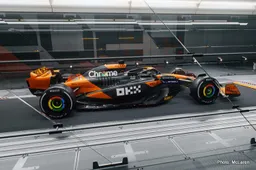
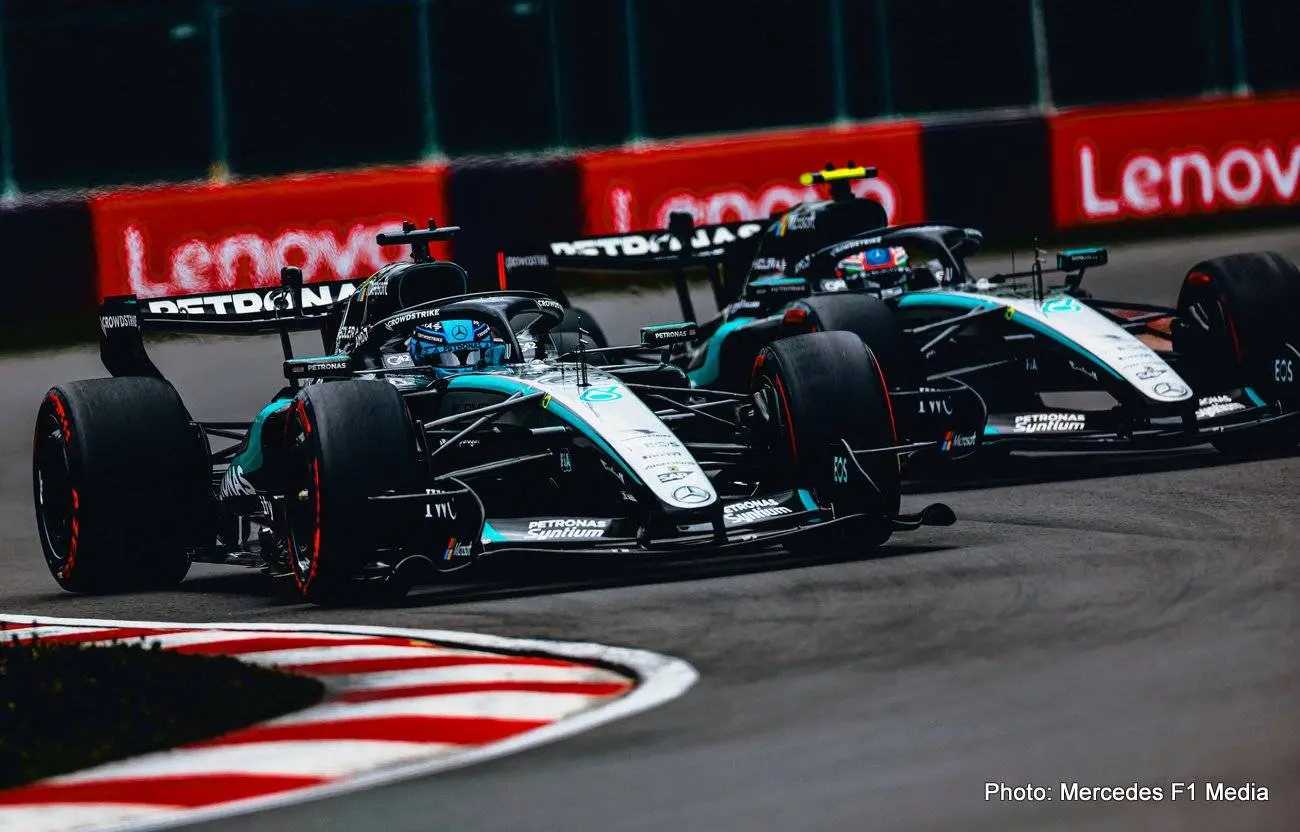
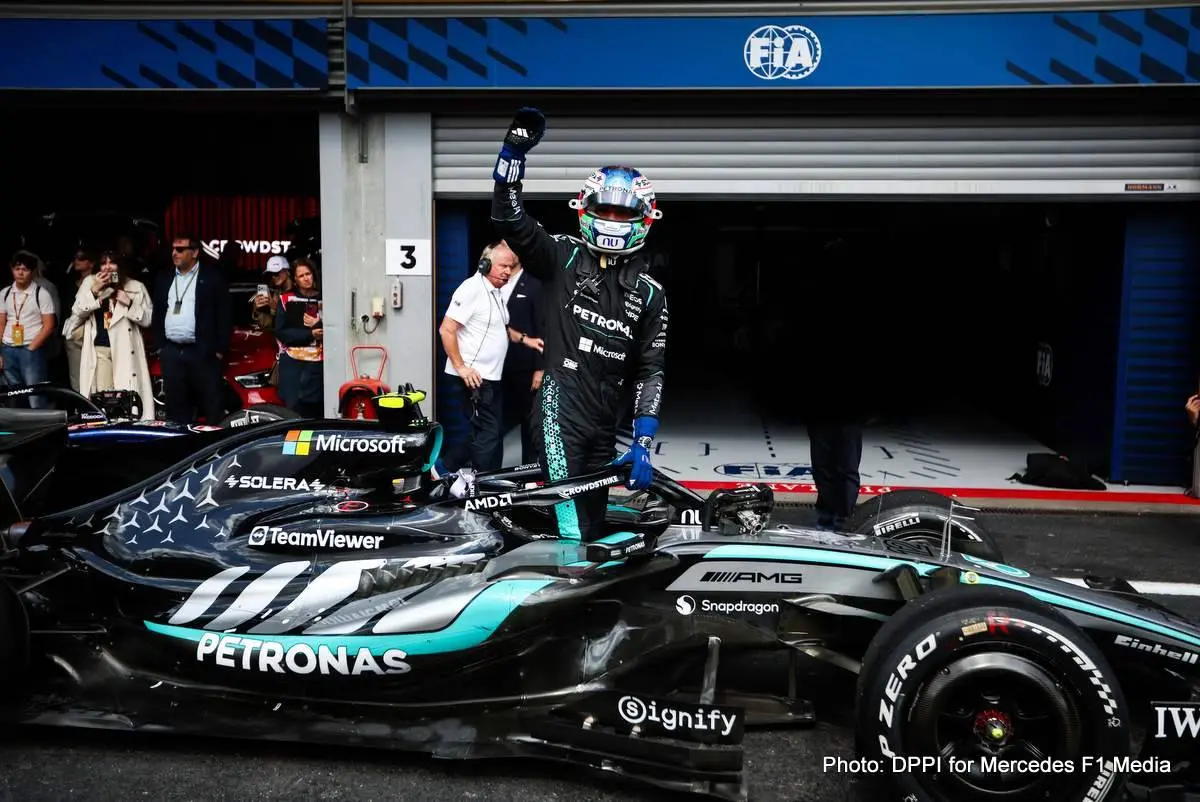
Several teams have already embraced crypto partnerships, with Mercedes AMG Petronas striking a major deal with FTX and AlphaTauri sporting the logo of cryptocurrency exchange OKX. The Crypto.com Overtake Award further strengthens the link, rewarding the driver who makes the most daring maneuvers throughout the season.
From Paddock to Blockchain: Why Crypto Salaries?
- For drivers, receiving salaries in crypto could offer several potential advantages:
- Flexibility and Global Accessibility: Cryptocurrencies transcend geographic borders, allowing for seamless international transactions without relying on traditional banking systems. Drivers could receive their earnings instantly, regardless of their location.
- Inflation Protection: The volatile nature of crypto might be a concern, but some digital currencies like Bitcoin boast a history of outperforming traditional investments against inflation. Drivers could potentially hedge against rising costs.
- Reduced Transaction Fees: Compared to traditional international wire transfers, cryptocurrency transactions often incur lower fees, potentially leaving drivers with a larger portion of their earnings.
However, the crypto world isn't without its challenges:
- Volatility: The notorious price swings of cryptocurrencies could lead to significant fluctuations in a driver's salary, potentially impacting their financial stability.
- Tax Implications: The regulatory landscape surrounding cryptocurrencies is still evolving, and tax implications remain complex. Drivers receiving crypto salaries would need expert guidance to navigate these complexities.
- Lack of Familiarity: Not all drivers are tech-savvy or comfortable with the intricacies of crypto wallets and digital transactions. Transitioning to a new financial system could require education and adaptation.
Navigating the Curves: Challenges for the Traditional System
- If F1 embraces crypto salaries, the wider financial system would need to adapt. Regulators and tax authorities would face new challenges:
- Developing Clear Regulations: Existing financial regulations often lag behind the rapid pace of innovation in the crypto world. Establishing clear guidelines for crypto salaries would be crucial to ensure transparency and prevent potential abuse.
- Tax Harmonization: Cryptocurrencies remain a global phenomenon, making it difficult to establish consistent tax policies across different jurisdictions. Addressing these discrepancies would be crucial to avoid double taxation and unfair advantages.
- Mitigating Financial Risks: The inherent volatility of cryptocurrencies could pose systemic risks to the financial system. Regulators would need to implement safeguards to prevent potential instability and crashes.
Beyond the Podium: Broader Economic Implications
The adoption of crypto salaries in F1 could have broader economic ramifications:
- Boosting Crypto Adoption: F1 boasts a global audience and immense influence. Seeing top drivers receive their salaries in crypto could incentivize wider adoption and mainstream acceptance of digital currencies.
- Impacting Wealth Distribution: If cryptocurrencies gain momentum as a form of payment, existing wealth disparities could be exacerbated, as access to and knowledge of these digital assets remains unevenly distributed.
- Shaping the Future of Finance: The F1 experiment could serve as a test case for crypto integration in other sectors, potentially paving the way for a more decentralized and digital financial future.
Case Studies and Lessons Learned:
While F1 drivers receiving crypto salaries remains a hypothetical scenario, other athletes and personalities have ventured into this territory.
Baseball player Shohei Ohtani received Bitcoin as part of his endorsement deal with FTX, and NFL player Russell Okung famously converted a portion of his salary into Bitcoin. These examples offer valuable insights and potential pitfalls to consider for F1.
Future Trajectory and the Road Ahead
The question of whether F1 will embrace crypto salaries remains open. While some teams are forging partnerships with crypto companies, others remain cautious, and driver opinions are likely to vary.
Factors like regulatory clarity, market stability, and the overall comfort level within the sport will ultimately determine the pace of adoption.
Ethical Considerations: A Checkered Flag to Wave
Beyond the financial and technological complexities, ethical considerations should also be part of the discussion. The environmental impact of certain cryptocurrencies like Bitcoin is a major concern, and F1, with its focus on sustainability, would need to ensure any chosen form of cryptocurrency aligns with its environmental goals.
Additionally, the potential for wealth disparity to widen as crypto-savvy individuals accrue more digital assets needs careful consideration. Ethical sourcing of the energy used for crypto mining and responsible investment practices could be crucial steps in mitigating these concerns.
Conclusion: Pit Lane or Pole Position for Crypto Salaries?
The idea of Formula 1 drivers receiving their salaries in cryptocurrency is laden with fascinating possibilities and daunting challenges. It has the potential to revolutionize the financial landscape of the sport, boost crypto adoption, and even influence the broader financial system.
However, it also demands careful consideration of regulatory complexities, tax implications, environmental concerns, and ethical considerations.
Latest News





Loading