Formula 1 in Africa: Prospect for motorsport development in the region?
F1 NewsFriday, 07 March 2025 at 04:13
Motorsport has long been a global spectacle, with Formula 1 standing at the pinnacle of racing excellence. While the sport has expanded to new markets across the Middle East and Asia in recent decades, Africa is now asking for it again.
However, a Grand Prix in Africa remains the only inhabited continent without an F1 race on its calendar. The 1xbet.gm/en website is the best place to wager on Formula 1 events and plenty of other motorsports races too.
Despite this, the region holds immense potential for motorsport development, driven by economic growth, a youthful population, and a rich history of racing. However, significant challenges, ranging from infrastructure limitations to financial constraints, must be overcome before Africa can become a mainstay in the world of Formula 1 and motorsport in general.
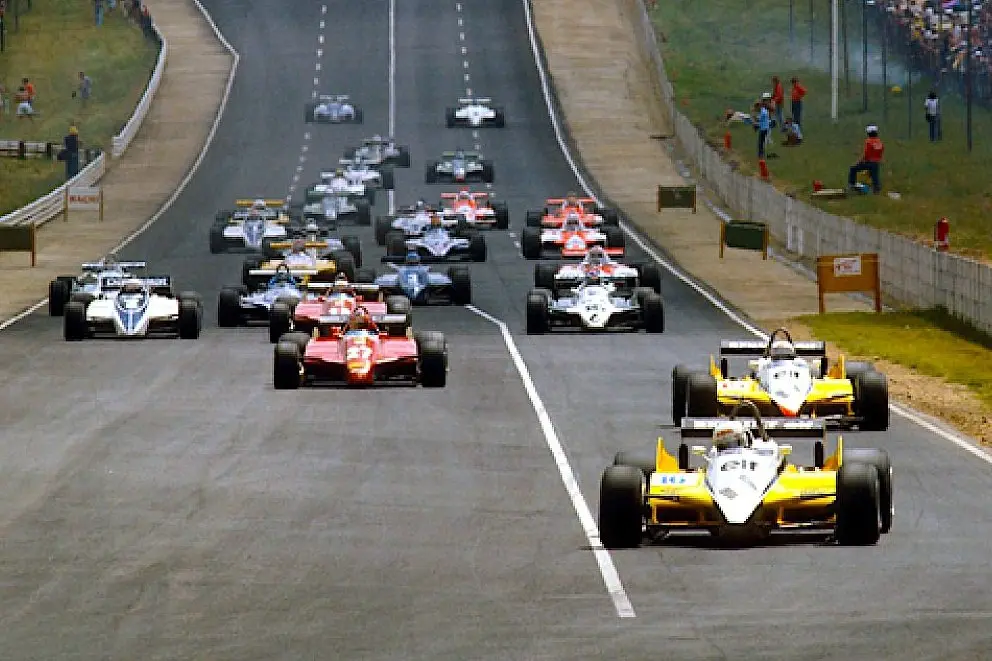
Africa has a strong historical connection with F1, primarily through the South African Grand Prix, which was held 23 times between 1962 and 1993. The most famous venue, Kyalami, hosted 20 of those races and remains the continent’s most prominent motorsport facility. However, following the country’s political transition in the early 1990s and economic difficulties, F1 left Africa, and no race has been held there since.
In recent years, there have been growing calls for F1’s return, with figures like Lewis Hamilton advocating for a Grand Prix on the continent. F1 CEO Stefano Domenicali has also expressed interest in adding an African race to the calendar, with Kyalami being the most likely candidate.
Economic appeal
One of the main factors supporting the potential return of F1 to Africa is the continent’s rapid economic growth. Whenever that happens, make sure to visit https://1xbet.gm/en/mobile to place your wagers on African motorsports events.
Africa’s GDP is projected to grow by 4% annually over the next decade. Some countries that are leading this charge are:
- Libya;
- Senegal;
- Sudan;
- Uganda;
- Niger;
- Nigeria;
- Kenya;
- and South Africa.
The continent’s middle class is also expanding, with an estimated 170 million people expected to be classified as middle-income earners by 2030. This growing consumer base represents a lucrative market for motorsport, as increased disposable income could drive interest in F1 events, sponsorships, and merchandise sales
Additionally, the rise of digital platforms has made F1 more accessible to African audiences. The sport's global TV audience reached 1.55 billion in 2023, with African viewership steadily increasing due to expanded broadcasting and social media engagement.
Beyond economic factors, Africa’s demographic profile presents a significant opportunity for motorsport. The continent is home to the world’s youngest population, with a median age of 19.7 years. By 2050, Africa’s population is expected to reach 2.5 billion, making it a crucial growth market for any global sport.
F1, which has actively sought to attract younger fans through initiatives like esports and Drive to Survive on Netflix, could tap into this youthful demographic. Motorsport academies and grassroots programs could be developed to nurture local talent, similar to what Red Bull and Ferrari have done in Europe and Asia.
Currently, there are no African drivers in F1. Also, only one, Jody Scheckter of South Africa—has ever won the world championship (in 1979). A structured development program could change this and create a pathway for African talent to reach the highest level of racing.
Overcoming difficulties
Despite these promising factors, several barriers hinder the growth of motorsport in Africa. Infrastructure remains a major challenge, as very few circuits meet FIA Grade 1 standards required to host an F1 race. Kyalami, while the leading candidate, would need upgrades estimated at $50 million to comply with modern F1 regulations. If interested, punters can always use 1xBet online football betting for football bets, not only on Formula 1 Grand Prix events, of course.
Other countries, such as Morocco and Egypt, have expressed interest in hosting races, but they lack suitable facilities. A potential solution could be street circuits in major cities like Cape Town, Lagos, or Nairobi, similar to what F1 has done in Singapore, Las Vegas, and Miami. However, these require significant government investment and logistical planning.
Finally, financial viability is another concern. Hosting an F1 race requires an estimated $40 million annual hosting fee, along with additional costs for infrastructure and event operations.
While governments in the Middle East and Asia have justified such expenses as part of tourism and branding strategies, African nations may struggle to allocate such funds given pressing socio-economic priorities. Private investment could be an alternative, with corporations and wealthy investors contributing to the costs.
Latest News




Loading