F1 aerodynamic advancements: A game-changer for betting enthusiasts
F1 NewsTuesday, 08 April 2025 at 05:38
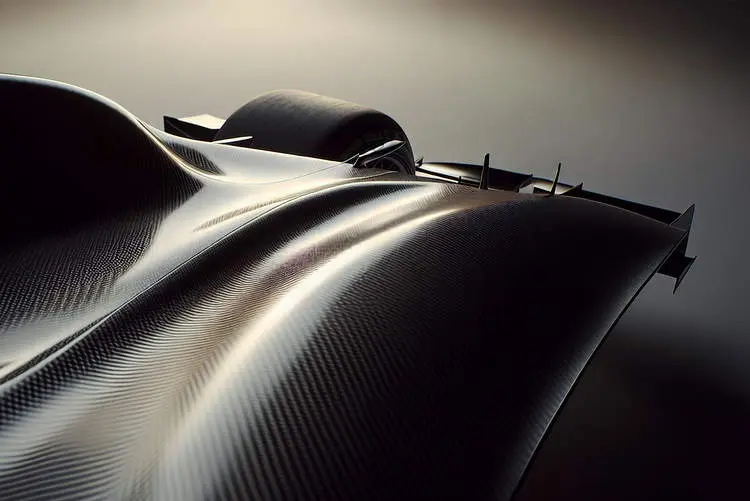
In the high-speed world of Formula 1, every millisecond counts. Aerodynamics has emerged as a crucial factor that determines the speed and stability of these racing beasts.
As technology advances, understanding these innovations can significantly influence your betting strategies. As a Formula 1 enthusiast, you already know that aerodynamics is vital in shaping race outcomes.
This intricate science influences how cars slice through the air, directly impacting lap times and vehicle reliability. With the sport continually evolving, staying informed about these advancements can offer a strategic advantage in sports betting online, especially when you’re keen on making informed decisions.
The role of aerodynamics in Formula 1

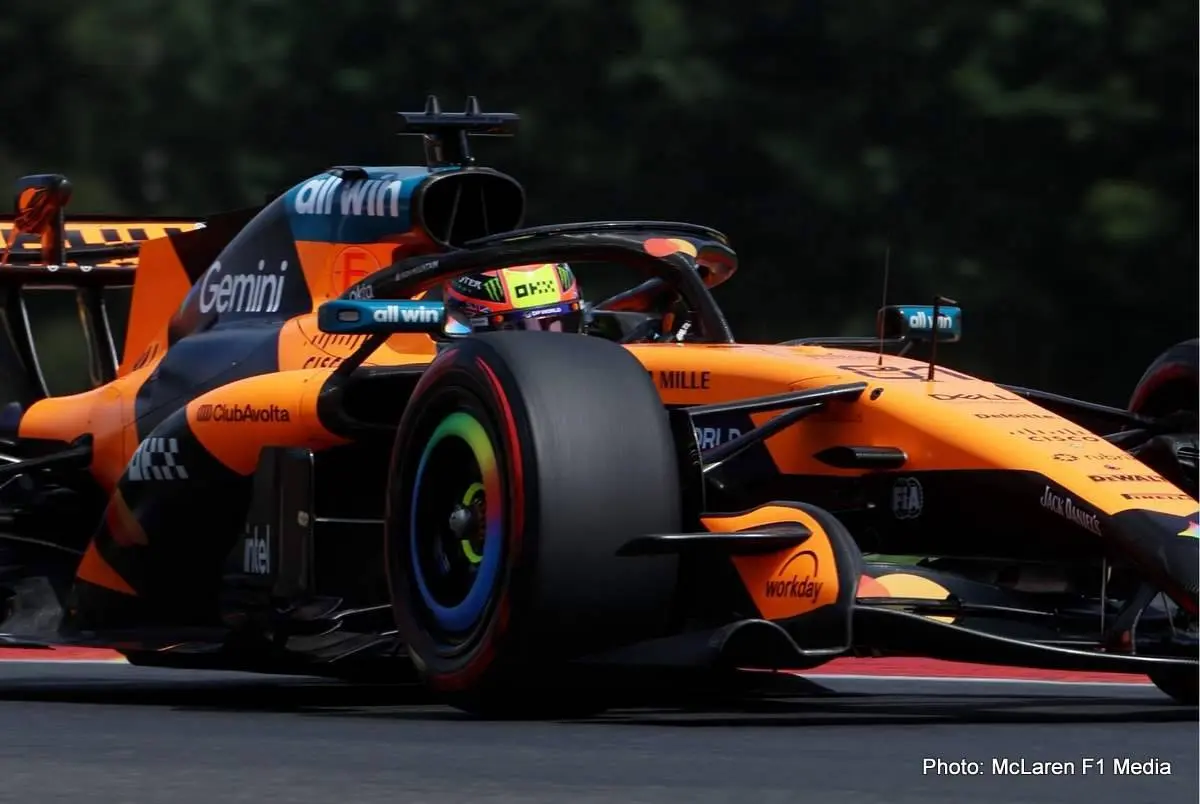
In the fast-paced realm of Formula 1, aerodynamics is not just an engineering term but a game-changer. It dictates how a car cuts through the air, affecting everything from speed to fuel efficiency. The meticulous design of wings and bodywork is not just about aesthetics but about ensuring each vehicle can handle the intense demands of high-speed racing.
Aerodynamic efficiency allows F1 cars to maintain higher speeds through corners without sacrificing stability. This balance between downforce and drag is what keeps drivers at the top of their game and makes races thrilling for audiences worldwide. For you as a bettor, understanding this aspect means recognizing which teams have invested heavily in their aerodynamic packages.
Recent seasons have seen teams employing cutting-edge technology to refine these elements further. Computational fluid dynamics (CFD) simulations and wind tunnel testing are just some of the tools used to perfect aerodynamic designs. As these technologies evolve, they bring about changes in race strategies and car performance that are critical for predicting race outcomes accurately.
Impact on race performance and outcomes

Aerodynamic advancements are more than just technical upgrades; they are pivotal in determining race results. When a team masters aerodynamics, it can achieve superior grip and control, giving drivers an edge over competitors. Such advantages can often mean the difference between finishing first or outside the podium.
The effectiveness of these advancements often becomes apparent in qualifying sessions and races held under varying weather conditions. A well-designed car adapts better to different track surfaces and climates, making it crucial for bettors to track how teams perform across diverse environments. Understanding this can significantly enhance your ability to predict not just winners but also potential dark horses.
Furthermore, teams that excel in aerodynamic innovation often set trends that others follow. This ripple effect influences overall competition levels within the sport and shifts betting dynamics as well. Recognizing which teams lead in this area could provide you with insights into potential race leaders even before they dominate the tracks.
Influence on betting decisions

For those invested in sports betting, understanding F1’s aerodynamic innovations offers an analytical edge. These technological advancements don’t just alter car performances; they also change betting landscapes by shifting odds and influencing race predictions. Being aware of which teams are pioneering new technologies could significantly impact your betting choices.
Insight into these advancements allows you to anticipate changes in team performance long before they become evident on race day. Analyzing data from practice sessions where new aerodynamic setups are tested provides clues about potential improvements or setbacks teams might face during official races. This knowledge can be a valuable asset when placing bets.
Moreover, keeping abreast of regulatory changes regarding aerodynamics can also affect your betting strategy. Formula 1 frequently updates its rules to maintain competitive balance among teams. These adjustments often lead to shifts in how cars are designed and raced, affecting both short-term and long-term betting forecasts.
Strategic advantages for Formula 1 bettors

Having a solid grasp of aerodynamic principles can significantly enhance your ability to predict race results accurately. By analyzing how different teams adapt to changes in regulations or technological breakthroughs, you gain insights into their future performances. This foresight gives you an edge over casual bettors who may overlook such critical factors.
One practical approach is to follow detailed technical analyses released after each race weekend. These reports break down how aerodynamic modifications impacted specific aspects like tire wear or fuel consumption during races. Armed with this information, you can make more informed bets based on concrete data rather than relying solely on past performances or gut feelings.
Ultimately, mastering the intricacies of F1 aerodynamics empowers you with knowledge that transforms casual spectatorship into strategic engagement with the sport's betting side. As technology continues to evolve rapidly within Formula 1 circles, staying updated will ensure you remain ahead in this dynamic landscape where every detail matters immensely.
Latest News






Loading