Formula 1 2026 Grand Prix Schedule: Full Calendar, Sprints, Testing, and What to Watch
F1 NewsMonday, 26 January 2026 at 04:23
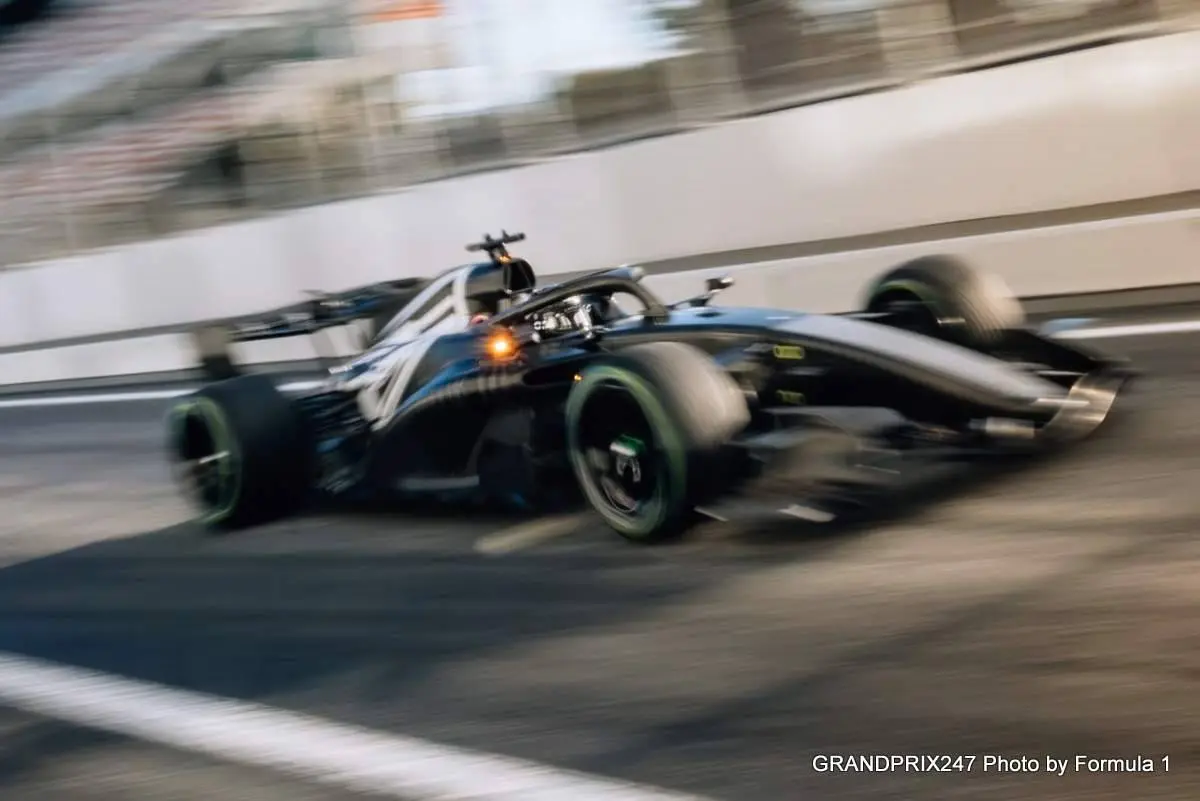
The 2026 Formula 1 season isn’t just “another 24-race year.” It’s the start of a new technical era, with major regulation changes and a renewed sustainability push, while the calendar itself has been reshuffled for better geographic flow.
The season begins in Australia (6-8 March) and ends in Abu Dhabi (4-6 December), covering 24 rounds across five continents.
Two calendar details set the tone immediately. First, Ramadan falls across February and March in 2026, which is why Bahrain and Saudi Arabia are again in April, not at the beginning of the season.
Second, Spain becomes a genuine two-stop: Barcelona-Catalunya remains on the schedule, while Madrid hosts the Spanish Grand Prix (11-13 September), listed as subject to FIA circuit homologation.
The big 2026 context: new rules, new rhythm
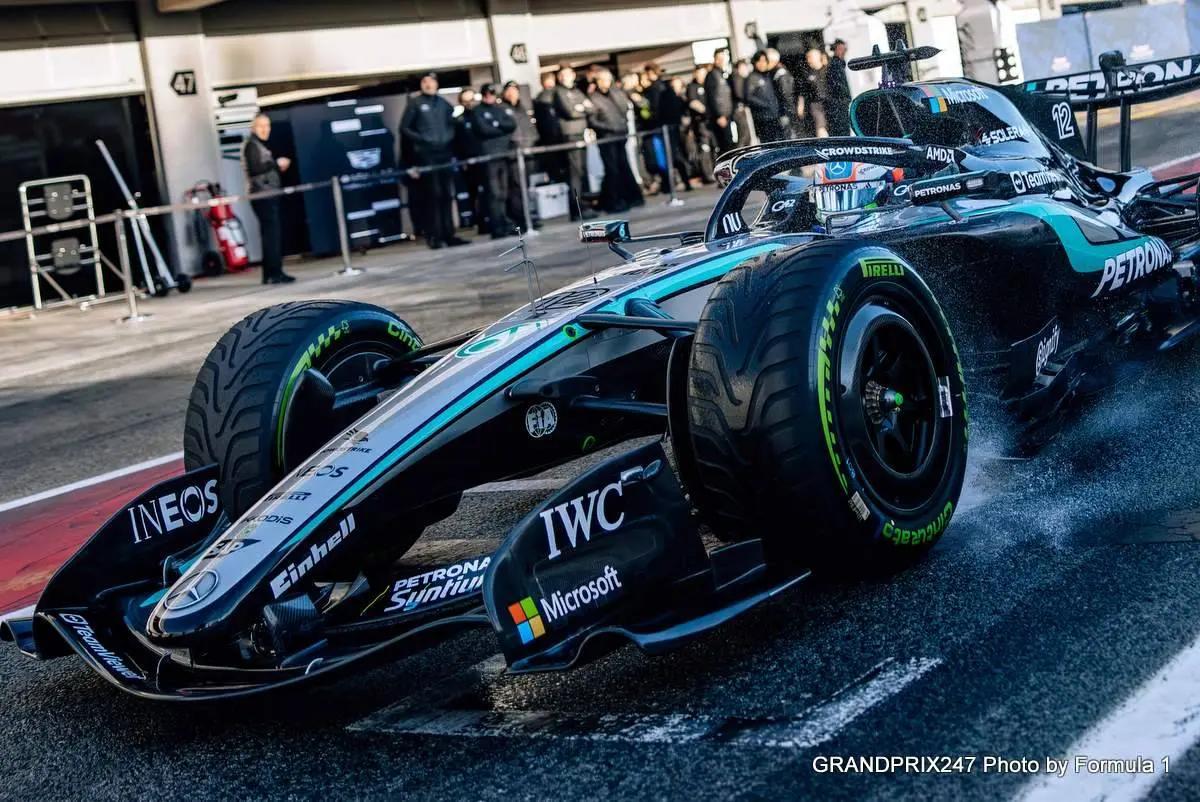
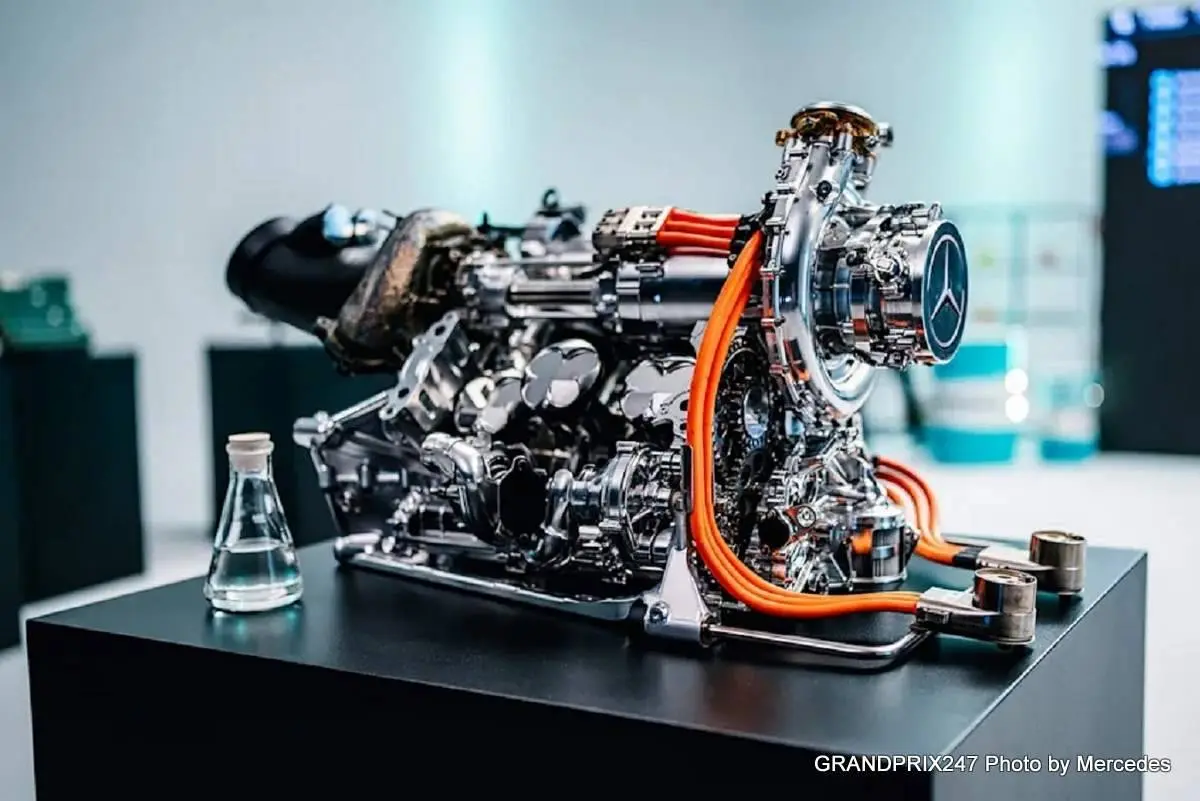
F1 and the FIA describe 2026 as a “new era,” with substantial changes to chassis and power units. The sport also moves to advanced sustainable fuels under FIA rules, part of the broader sustainability direction for the championship.
On the calendar side, F1 has also emphasized “flow.” A clear example is Canada moving to follow Miami (22-24 May) to reduce freight movements and streamline logistics across North America. For fans, that means fewer awkward gaps and more predictable blocks; for creators and sports sites, it means cleaner “content seasons” where attention clusters naturally.
Pre-season: shakedown and official testing dates
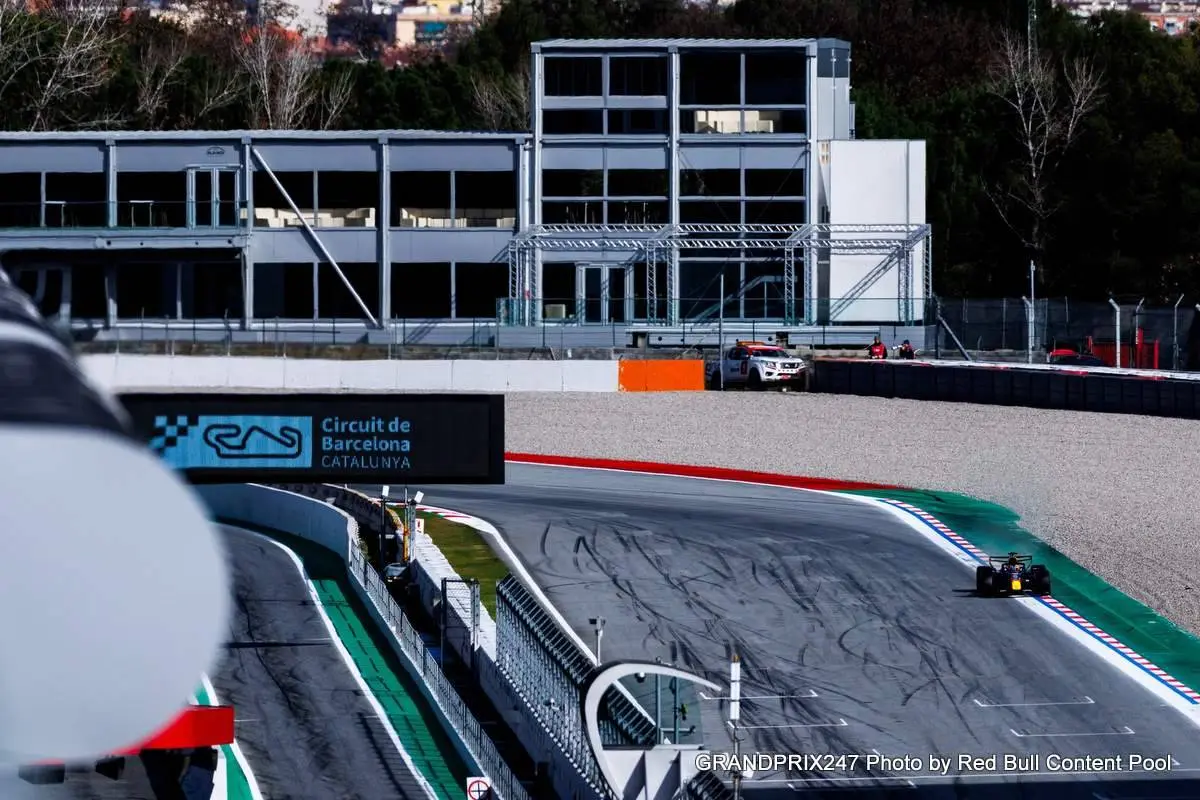
Because 2026 introduces major technical changes, pre-season matters more than usual. F1’s own pre-season guide lists a closed “Shakedown Week” in Barcelona (26-30 January), followed by two official Bahrain tests: 11-13 February and 18-20 February. Recent reporting also confirms the Barcelona shakedown timing and its behind-closed-doors nature.
If you’re tracking early signals, Bahrain’s long-run pace and reliability trends will probably shape the first month of narratives more than headline lap times.
Mid-season preparation tip: a simple way to monetise F1 traffic
F1 audiences search constantly for schedules, Sprint formats, track guides, tyre strategy explainers, and “what changed in the rules” pieces – especially in a regulation-reset year. That makes early 2026 a smart time to build evergreen pages (calendar hubs, Sprint weekend guides, travel-and-timezone explainers) before the March kickoff, because those pages compound traffic across the season. For sports site owners, the Melbet Affiliate program sign up option can be positioned as a practical monetisation layer alongside your coverage, with a clear disclosure, rather than as intrusive advertising. The basic idea is straightforward: your content attracts readers, referral tracking attributes sign-ups to your links, and the partner dashboard shows what converts by GEO, device, and traffic source, so you’re not guessing. Programs in this category typically offer common payout models (CPA, RevShare, Hybrid) and marketing assets, which helps even beginners understand how performance is measured and why some pages earn more than others. The key is keeping the editorial value first – your calendar and analysis should stand on its own – then the monetisation simply captures demand that already exists.
Full 2026 F1 calendar: all Grand Prix dates
Below is the complete race calendar as published by Formula 1.
| Round | Dates (2026) | Grand Prix | Location | Sprint weekend |
| 1 | 6-8 Mar | Australia | Melbourne | – |
| 2 | 13-15 Mar | China | Shanghai | ✅ |
| 3 | 27-29 Mar | Japan | Suzuka | – |
| 4 | 10-12 Apr | Bahrain | Sakhir | – |
| 5 | 17-19 Apr | Saudi Arabia | Jeddah | – |
| 6 | 1-3 May | Miami | Miami | ✅ |
| 7 | 22-24 May | Canada | Montreal | ✅ |
| 8 | 5-7 Jun | Monaco | Monaco | – |
| 9 | 12-14 Jun | Barcelona-Catalunya | Barcelona/Monmelo | – |
| 10 | 26-28 Jun | Austria | Spielberg | – |
| 11 | 3-5 Jul | Great Britain | Silverstone | ✅ |
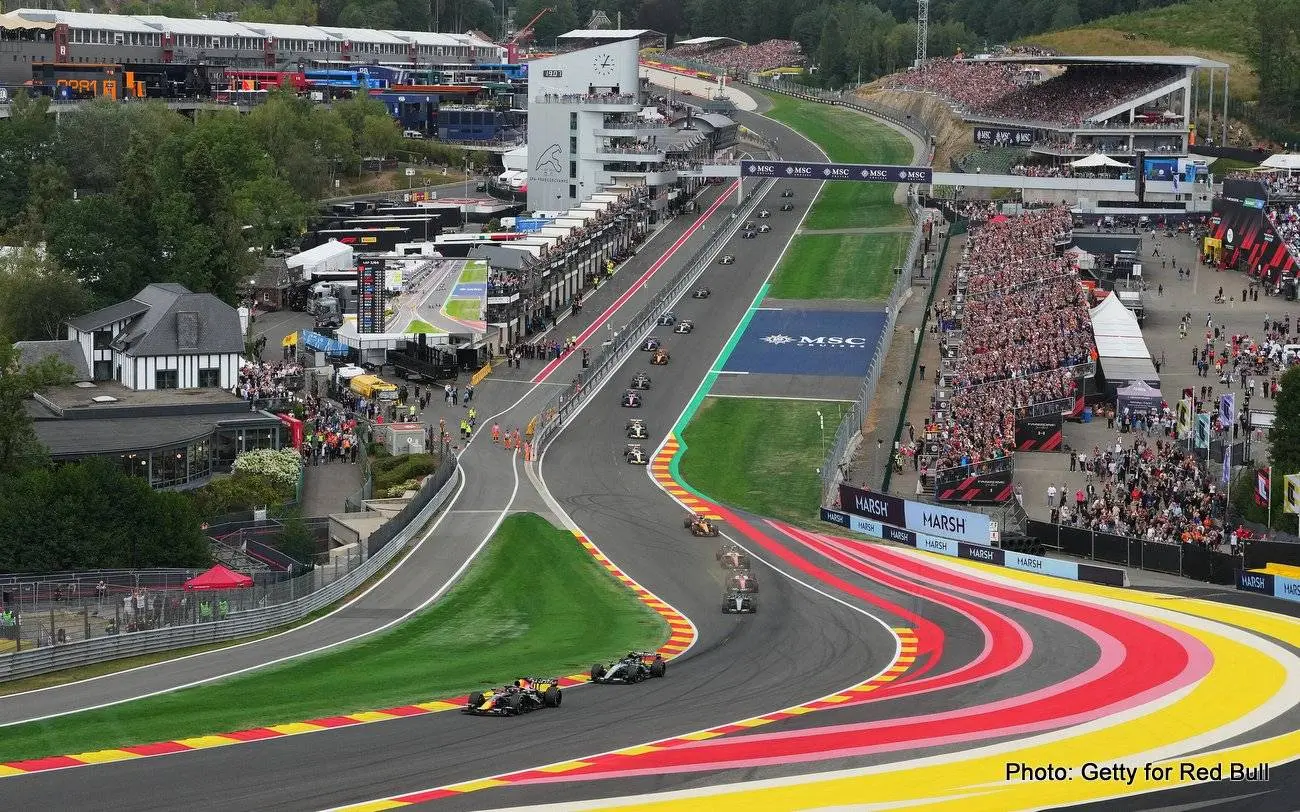
| 12 | 17-19 Jul | Belgium | Spa-Francorchamps | – |
| 13 | 24-26 Jul | Hungary | Budapest | – |
| 14 | 21-23 Aug | Netherlands | Zandvoort | ✅ |
| 15 | 4-6 Sep | Italy | Monza | – |
| 16 | 11-13 Sep | Spain | Madrid* | – |
| 17 | 24-26 Sep | Azerbaijan | Baku | – |
| 18 | 9-11 Oct | Singapore | Singapore | ✅ |
| 19 | 23-25 Oct | United States | Austin | – |
| 20 | 30 Oct-1 Nov | Mexico City | Mexico City | – |
| 21 | 6-8 Nov | São Paulo | São Paulo | – |
| 22 | 19-21 Nov | Las Vegas | Las Vegas | – |
| 23 | 27-29 Nov | Qatar | Lusail | – |
| 24 | 4-6 Dec | Abu Dhabi | Yas Marina | – |
* Madrid listed as subject to FIA circuit homologation.
Where the season will “spike” in attention
A 24-round year creates predictable peaks:
- Opening month (Australia-China-Japan): new cars, new reliability stories, and immediate comparison between concepts.
- North America logistics swing (Miami → Canada): it’s a rare back-to-back-style storyline without being a literal double-header, and the scheduling change itself is part of the narrative.
- Summer Europe block: Monaco through Hungary is where upgrades and development “winners” usually separate from the pack, and 2026’s new rules should amplify that.
- Final stretch (Singapore onward): title pressure, penalty points, reliability fatigue, and strategic risk-taking all rise together.
Two quick “watch this” notes for 2026
- Sprint weekends are confirmed: China, Miami, Canada, Britain, Netherlands, Singapore. That matters because Sprint formats compress practice time and can reshape momentum on the weekend.
- Spain’s identity changes: Barcelona remains for Testing, but the Spanish Grand Prix title shifts to Madrid, reinforcing the “two-race Spain” narrative for the first time in modern F1 scheduling.
Latest News



Loading