Wolff on Mercedes 2026 prospects: The glass is always half empty
F1 NewsWednesday, 24 December 2025 at 07:30
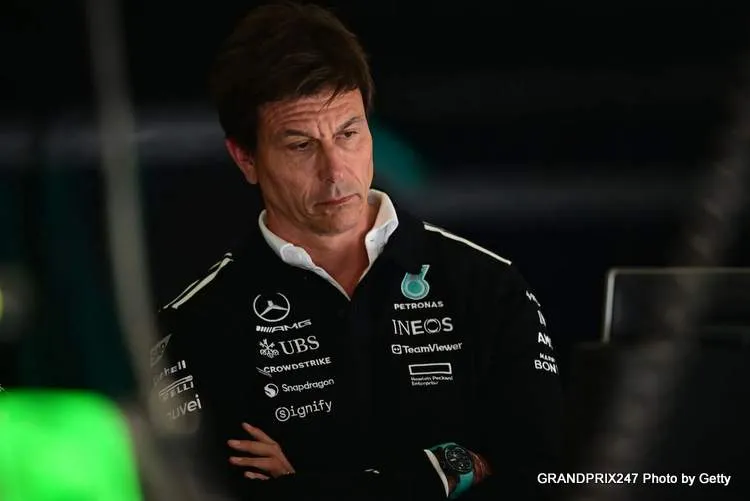
Mercedes boss Toto Wolff downplayed speculation that his team will enjoy an advantage with their 2026 Formula 1 power unit like they did back in 2014.
Mercedes emerged with the best V6 turbo-hybrid F1 power unit when those units were introduced for the first time back in 2014, as the team went on to dominate, winning eight consecutive Constructors' Titles with seven Drivers.
And with the regulation change coming into effect for the 2026 F1 season, many believe Mercedes will come to enjoy such an advantage, but Wolff insists on managing expectations.
In a Mercedes video, and when touching on the expected competitiveness of his team's 2026 F1 power unit, Wolff said: "Well, I would very much hope so. But I'm a notorious pessimist, and the glass is always half empty rather than half full.
"And we've set ourselves targets on the power unit and the same on the chassis. Whether those targets were ambitious enough, whether we have missed the trick... whether our execution is going to be as faultless as it should be? I don't know.
"We're going to see some glimpses of performance balance in testing late in January and then in Bahrain. But I think the name of the game is going to be the constant development of the tools throughout the season," the Austrian concluded.
How will Mercedes fare in the new era?

Mercedes' reign in F1 ended in 2021 when Lewis Hamilton was beaten to that year's Drivers' Crown by Max Verstappen.
From 2022 onwards, when the ground effect F1 cars were introduced, Red Bull Racing enjoyed a dominant run, winning title doubles in 2022 and 2023.
Verstappen won the Drivers' Championship in 2024, while McLaren won that year's Constructors. The Woking squad won both Titles in 2025, with Lando Norris beating Verstappen.
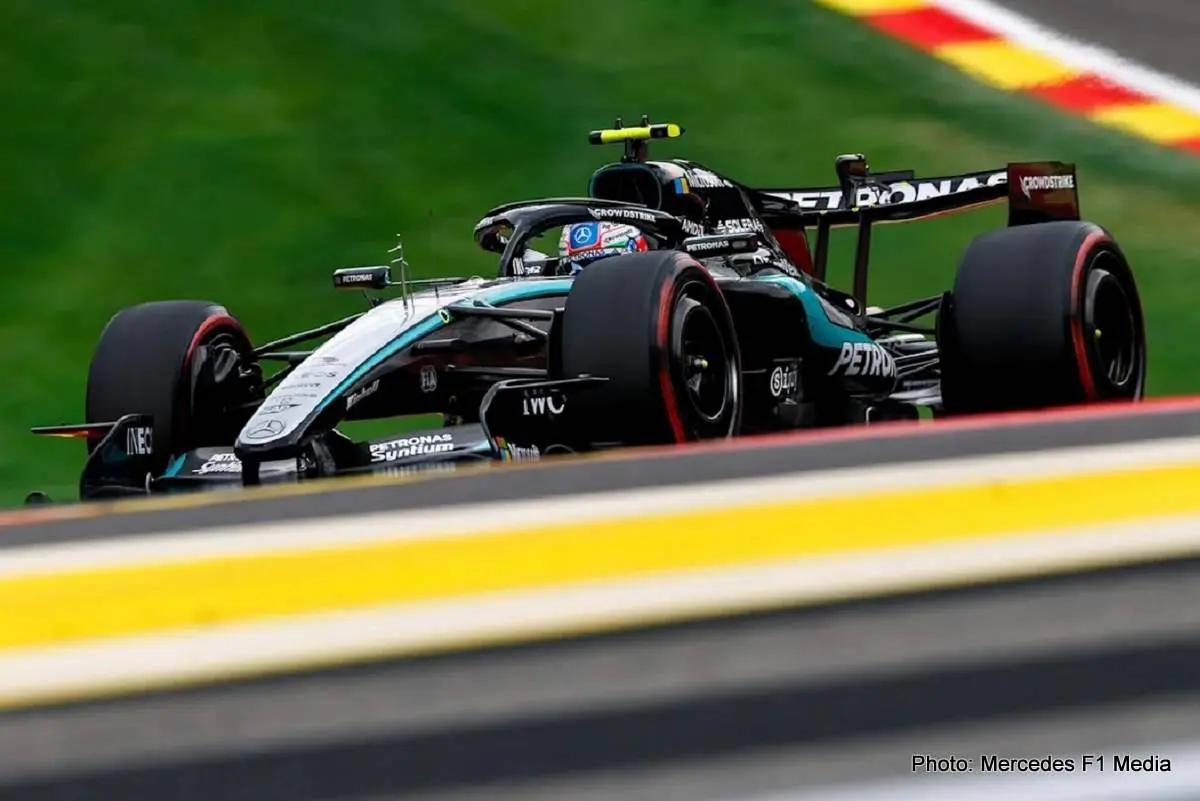
All that time, Mercedes has struggled to deliver a competitive car, as they could never master the ground-effect rules, with their cars always unpredictable, competitive on some weekends, and woefully off the pace on others.
Will they succeed in the new era of F1 regulations where cars will be less dependent on ground effect? Recent reports have claimed that Mercedes and Red Bull have already found a trick with their power units.
Latest News
Loading