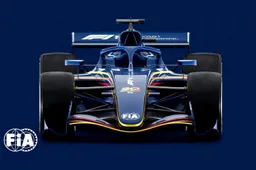
Nikolas Tombazis says Formula 1 is entering a defining ten-week sprint to 2026, with the FIA tightening the rulebook, improving wake behaviour and preparing the biggest regulatory overhaul in decades.
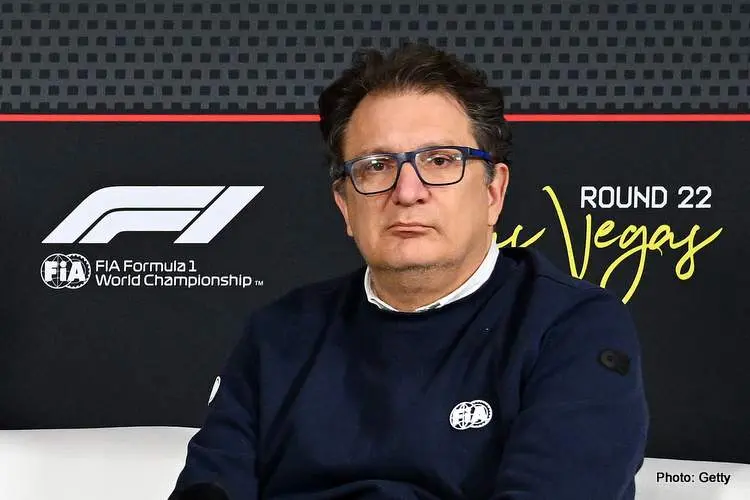
During a press conference in Las Vegas, the FIA’s Head of Single Seater Matters, Tombazis, addressed concerns about pace of the next-generation Formula 1 cars, wake effects, driver comfort, straight line mode, and the way teams will operate under the new framework.
The comments came as Formula 1 teams admitted they are “operating in the dark” for 2026. Tombazis acknowledged that uncertainty, saying the psychological strain of not knowing where competitors stand is one of the biggest challenges in any major reset.
Tombazis explained that the early phase of a new regulatory cycle always carries anxiety: “One of the big challenges is operating in the dark. You don’t know where the others are. You don’t know whether you need to recover one second from one season to the next or if you're ahead and going to start the championship winning or in woeful misery.”
He added that on the FIA side, the priority has been closing loopholes and finalising rules after months of joint work with the teams: “The challenge is to make sure we tie all the loose ends of the regulations. It is a big change in the structure in trying to address a lot of topics, and we have worked together with the teams to try to resolve all the little issues, right to this moment.”
Racing style and overtaking tools will change

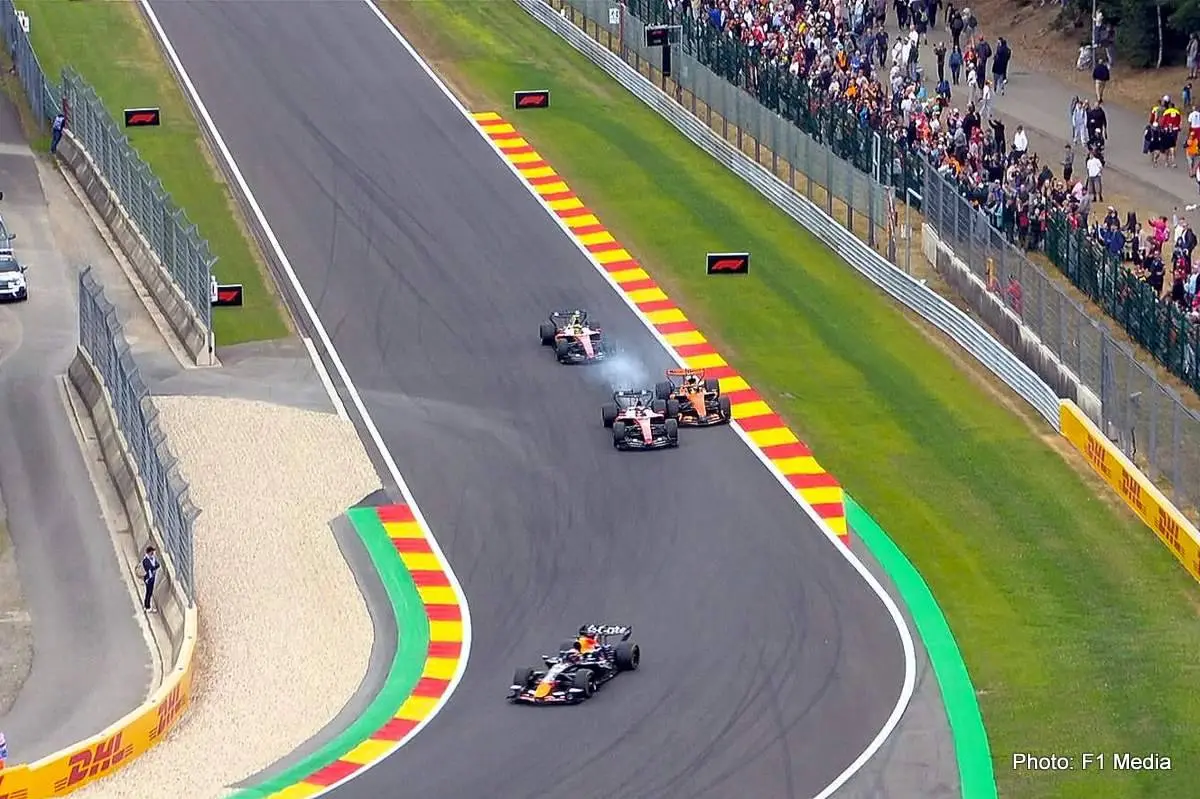
With the abolition of DRS and the introduction of energy based overtaking, Tombazis expects racing to shift significantly: “We do expect from an aerodynamic point of view cars to be able to follow each other much closer than now. The wake characteristics are much improved and we feel we have learned a lot from the 2022 cars.”
He stressed that energy deployment will replace DRS as the primary overtaking tool: “It is the transition from using DRS to energy as the tool to assist overtaking. That is all going to change the nature and make it more unpredictable. That, together with the different aerodynamics, I think are going to make racing ultimately more exciting.”
The FIA is still working through the rules governing straight line mode in wet conditions and under Safety Car. Tombazis did not give specifics: “There has been a lot of discussion on this topic with a few different options. There were some final discussions at the technical meeting a few weeks ago, but I am not familiar with the very last change on that particular topic.”
Some drivers have predicted Formula 2 level pace for 2026. Tombazis dismissed that entirely. “Comments about Formula 2 pace are way off the mark. We are talking about lap times in the region of one or two seconds off where we are now, depending on the track and conditions.”
Tombazis: Silly to be faster than the previous cycle

Tombazis explained why a small drop is intentional: “It would be silly to be faster than the previous cycle. One has to gradually claw back what is gained by natural development. You cannot start the cycle going faster than the previous one. I do not think we are anywhere near the ‘it is not a Formula 1’ discussion in any way or shape.”
Responding to debate triggered by McLaren over strategic engine changes, Tombazis admitted the current rules have a loophole: “We have not been keen to get involved in a situation where we have to argue whether a bit of telemetry indicates potentially a reliability issue or not. It has been a weakness in the current regulations.”
Next year, the power unit cost cap will automatically prevent teams from making strategic changes. “PU manufacturers would never find it convenient to make a strategic change because each time it is going to cost them approximately the cost of an engine. It will stop being a topic of discussion.”
Four-time F1 World Champion Max Verstappen and others have spoken about physical strain caused by the current generation of cars. Tombazis said the low and stiff setups were not anticipated, but will naturally reduce next season.
Wake characteristics will be the best ever
“Cars have been running very low and very stiff. That was something that overall had not been anticipated. The natural direction of the aerodynamics for next year still favours low running cars but not by the same amount. The optimum will be a bit higher and the cars will be running a bit softer," explained the FIA man.
One of the biggest gains is in wake behaviour. Tombazis revealed that 2026 cars should retain far more downforce when following. “The loss of downforce at 20 metres behind went from about 50 percent on the previous generation to about 80 or 85 percent on the 2022 cars, then decayed to about 70 percent now. We believe the start of the new cycle will be more like 90 percent.”
He said the FIA targeted problem areas exposed since 2022. “Front wing endplates morphed into shapes that permitted quite a lot of outwash. The inside of the front brake drums worsened the characteristics. The side of the floors was another one. In developing the regulations for 26 we have learned a lot and we hope we will maintain the good characteristics for a longer period.”
With ten weeks left until testing, the FIA believes the foundations are set for closer racing and a more robust rule cycle. The next major milestone arrives when teams roll the first 2026 machinery out in Barcelona.
Latest News
Loading