2026 Formula 1 Revolution: How Tombazis Is Rewriting the Rulebook
F1 NewsMonday, 10 November 2025 at 05:59
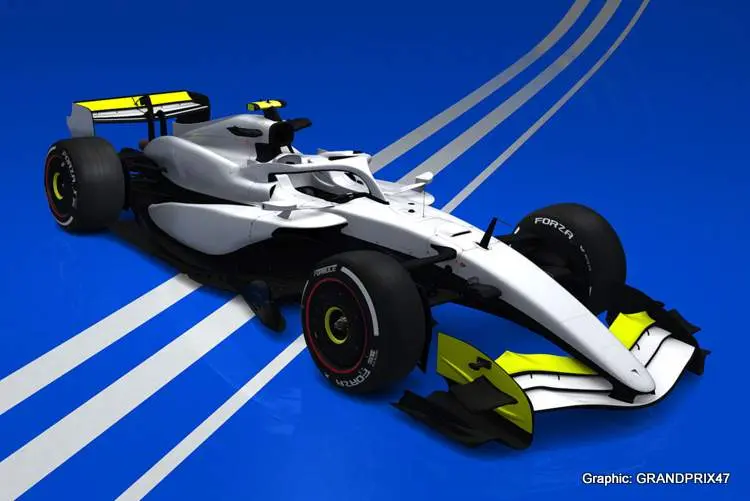
Formula 1 is poised for arguably its most radical shake-up since the dawn of the hybrid era in 2014, and it is being masterminded by someone who knows what it takes to win world championships from the inside.
Nikolas Tombazis is a former Formula 1 chief designer who helped Ferrari dominate the early 2000s and worked with McLaren during their competitive years before sitting at the FIA as Single-Seater Director.
His mission is to create a new generation of Formula 1 cars that will be lighter, quicker in the corners, more sustainable, and capable of closer racing. But here's the thing: drivers and teams are already voicing serious concerns about what's coming.
When you consider the 2026 regulations, there are three core pillars: The cars are getting dramatically smaller and lighter, by 200mm in wheelbase (that's about the length of a standard water bottle), 100mm narrower overall, and with a 30kg drop to 768kg. That doesn't seem like much, but in F1 terms, it is huge-the equivalent of removing an entire dalmatian from the car.
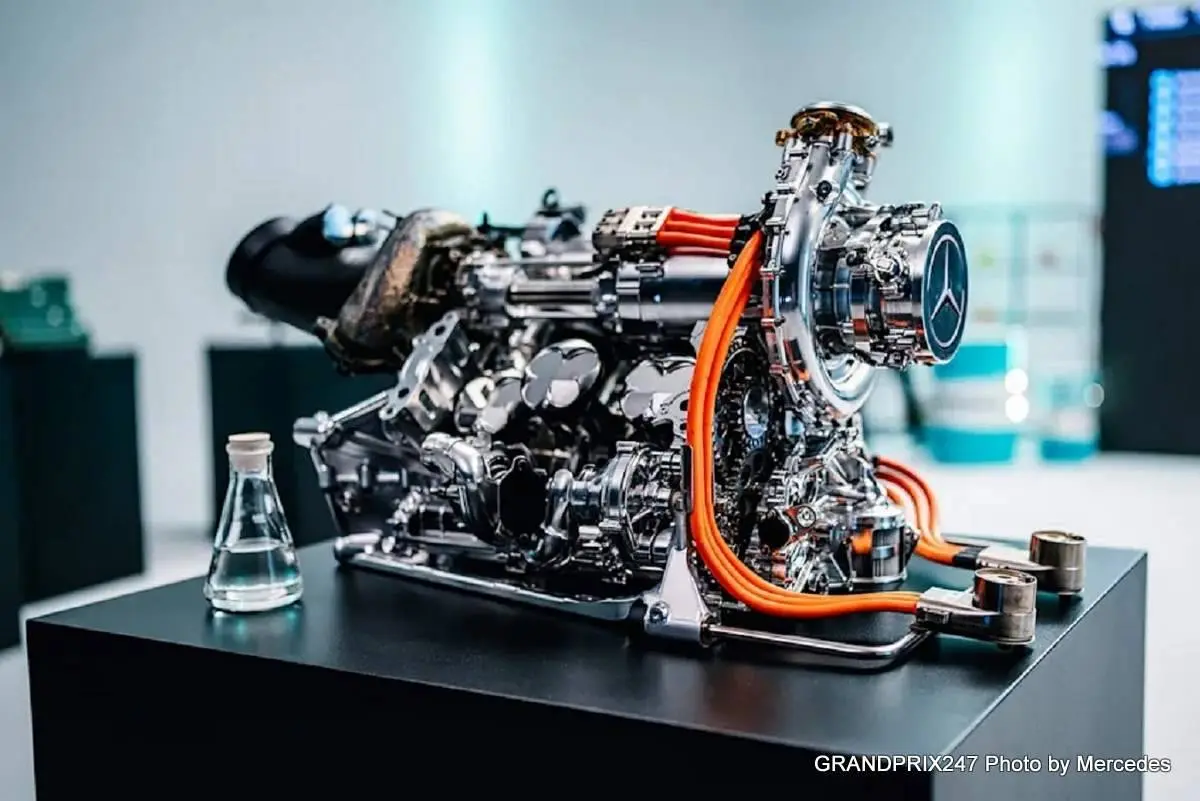
Second, the power unit philosophy is being completely rewritten. Currently, V6 hybrids rely on about 80% combustion power and 20% electrical power. For 2026, that becomes a 50-50 split, with the combustion engine providing 400kW and the battery system producing an astonishing 350kW, nearly triple today's electrical output.
To make this happen, F1 is mandating 100% sustainable fuels and axing the MGU-H-the complex heat recovery system-in order to entice new manufacturers like Audi and Ford-Red Bull into the fray.
The Backlash: Why Drivers Are Worried

But where things start to get really interesting is with active aerodynamics. F1 is introducing what they're calling X-mode and Z-mode, and these aren't just marketing terms. Z-mode is your high-downforce configuration for corners, keeping both front and rear wing elements closed for maximum grip.
X-mode, on the other hand, opens both wings to slash drag on the straights, similar to how DRS works now, except it won't be restricted to overtaking. Every driver will have access to X-mode on any straight longer than three seconds, regardless of gaps to other cars.
So, what's the problem? A number of top drivers have raised red flags after trying the cars out in simulators. Energy management is likely to get so complicated that F1 risks becoming an exercise in conserving batteries rather than real racing.
Max Verstappen was one of the first to sound the alarm two years ago, cautioning against scenarios whereby the cars may run out of electrical power before the end of a lap or need the drivers to downshift on straights to make efficient use of their limited energy.
Similar concerns have been voiced by Charles Leclerc, Alex Albon, and Lance Stroll after simulator runs. There are real fears that the 2026 cars will be significantly slower, with estimates of between one and 2.5 seconds per lap in the early stages, and that fans won't enjoy watching drivers managing energy deployment rather than pushing flat out.
But these issues aren't restricted to the drivers pounding around in simulators or the team principals pacing up and down the paddock. Technical experts throughout the motorsport world are poring over every line of the new regulations, working out what this all means.
In the latest conversation with Stergios Karpetas from NSE, we looked at how engineering companies are getting ready for the technical challenges these rule changes bring, notably around the Energy Management Systems that lie at the heart of the 2026 formula.
Tombazis's Response: Trust the Process

But Tombazis refuses to budge. His counter-argument is simple: the rules aren't done and dusted. They won't be until just weeks before the new season starts. The FIA is actively refining what's called the "turn-down ramp rate", or how quickly electrical power comes off on straights, while it's also considering track-specific energy deployment limits instead of the fixed 8.5 megajoules per lap that are currently in the rulebook.
The FIA, Formula 1 's governing body, is also striving to prevent what they refer to as "unnatural things" from happening on the track. Nobody wants to see cars suddenly decelerating mid-straight or drivers being forced to make awkward downshifts to save the battery.
Tombazis has made it clear that the headline power figures-400kW combustion and 350kW electrical- are not up for revision, but everything else surrounding the management of energy remains open to revision based upon team feedback and simulator data.
There is also a safety net for manufacturers who are off the pace at the start. Once the season gets underway, the ADO rules will be used if any power unit manufacturer's engine is found to be more than 3% less powerful than the best. This ruleset simply provides newcomers and strugglers with more time for development and testing to catch up without unlimited spending.
What Lies Ahead
The real test will begin in January 2026, when the teams will run their new cars for the first time in closed-door testing at Circuit de Barcelona-Catalunya. That is going to be when we see if Tombazis's vision translates from the regulation documents and simulators into actual racing machines that deliver the promised spectacle.
The stakes couldn't be higher: Formula 1 has attracted a record six power unit manufacturers for 2026, and the grid is expanding to 11 teams with Cadillac's entry. Mercedes team principal Toto Wolff even went so far as to hint that his team is well-positioned for the new era, suggesting some teams believe they've found performance advantages already.
Tombazis still argues we won't see the same Mercedes domination as in 2014 because of safeguards like the cost cap and ADO.
The reality, however, is that Formula 1 is pinning its future on regulations that are still being refined, with fundamental questions about performance and quality of racing unanswered on the track. Change is coming-whether or not it delivers is the billion-dollar question.
Latest News
Loading

