Parc Ferme: McLaren’s desert disaster, a case for the defense
F1 NewsThursday, 04 December 2025 at 09:51
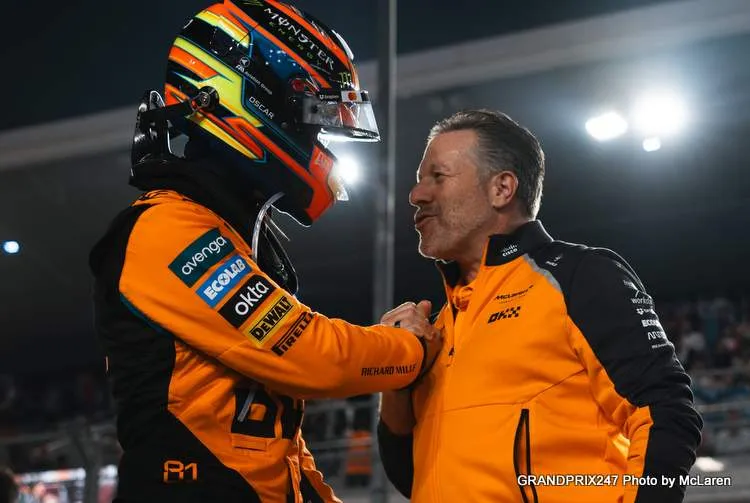
To say that McLaren’s Qatar race strategy turbocharged the “Lando favoured over Oscar” theories would be an understatement.
Even innocent bystanders, such as Kimi Antonelli, were dragged into the social media pool of vitriol. Such is the power of hate messaging that even rational individuals have stopped examining the situation objectively.
However, the real culprits are those who decided to mandate a two-stop race, and I don’t mean Pirelli…
Air game
We didn’t need the FIA to tell us that following the car in front now results in such a catastrophic loss of downforce that overtaking old school is almost impossible.
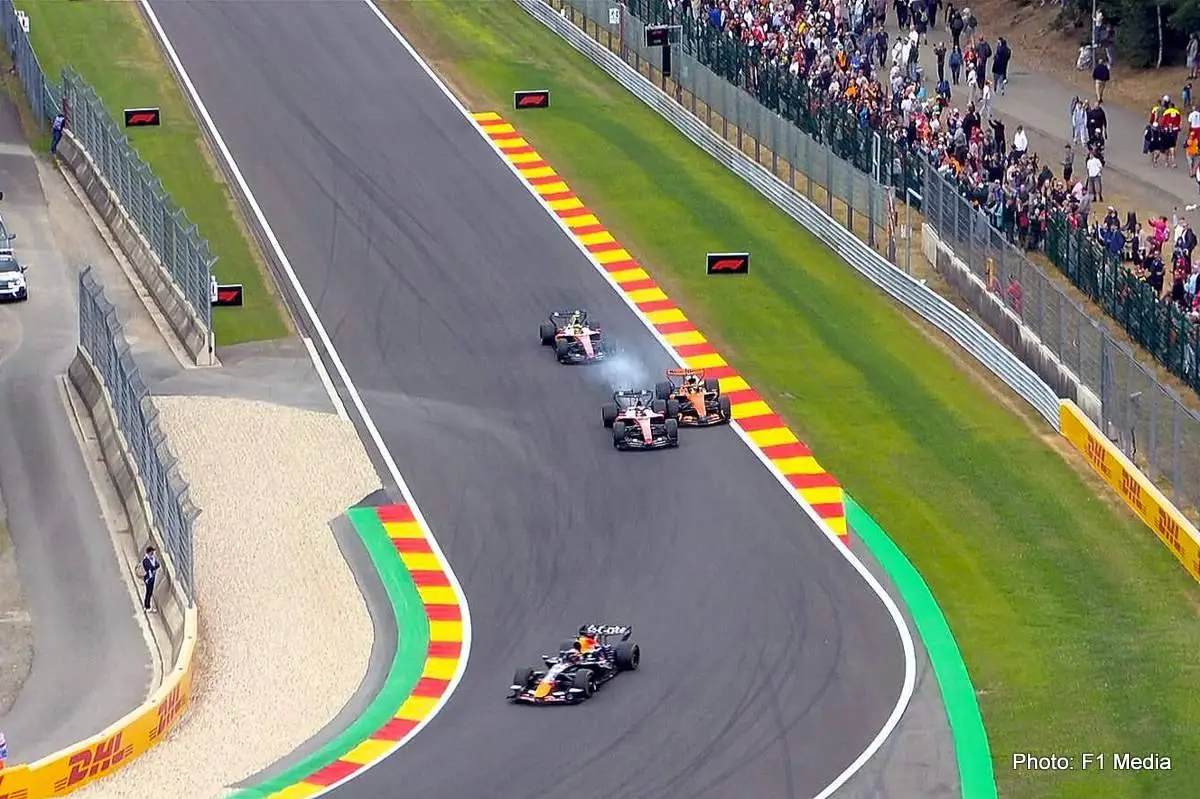
Oscar Piastri coined the phrase “clean air is king” at the beginning of the season, and the situation has only got worse. For some time, racing in Formula 1 has been distilled down to qualifying and exiting turn one first.
This enables you to push hard at the start and still have a better tyre delta than those following. Meanwhile, the rest are left praying for a fortuitous Safety Car pitstop.
Muddied waters

The powers that be knew that in the Qatar Grand Prix, McLaren would almost certainly lock out the front row and likely secure the Drivers’ Championship. This would ruin a perfectly good Netflix script and climactic final race showdown in Abu Dhabi.
However, mandating a maximum twenty-five lap tyre stint created enough of a curveball for the Papaya team to drop it.
Changing the sporting rules for one circuit would generally be a “no, no.” But if you play the safety card and have it delivered by a neutral expert, it can work.
Love it when a plan comes together
And work it did. Predictably, the McLarens qualified on the front row in, and all was going according to their plan until the Safety Car on lap seven.
Most believe the immediate pitting and double-stacking of their drivers was a no-brainer, much like the other teams.
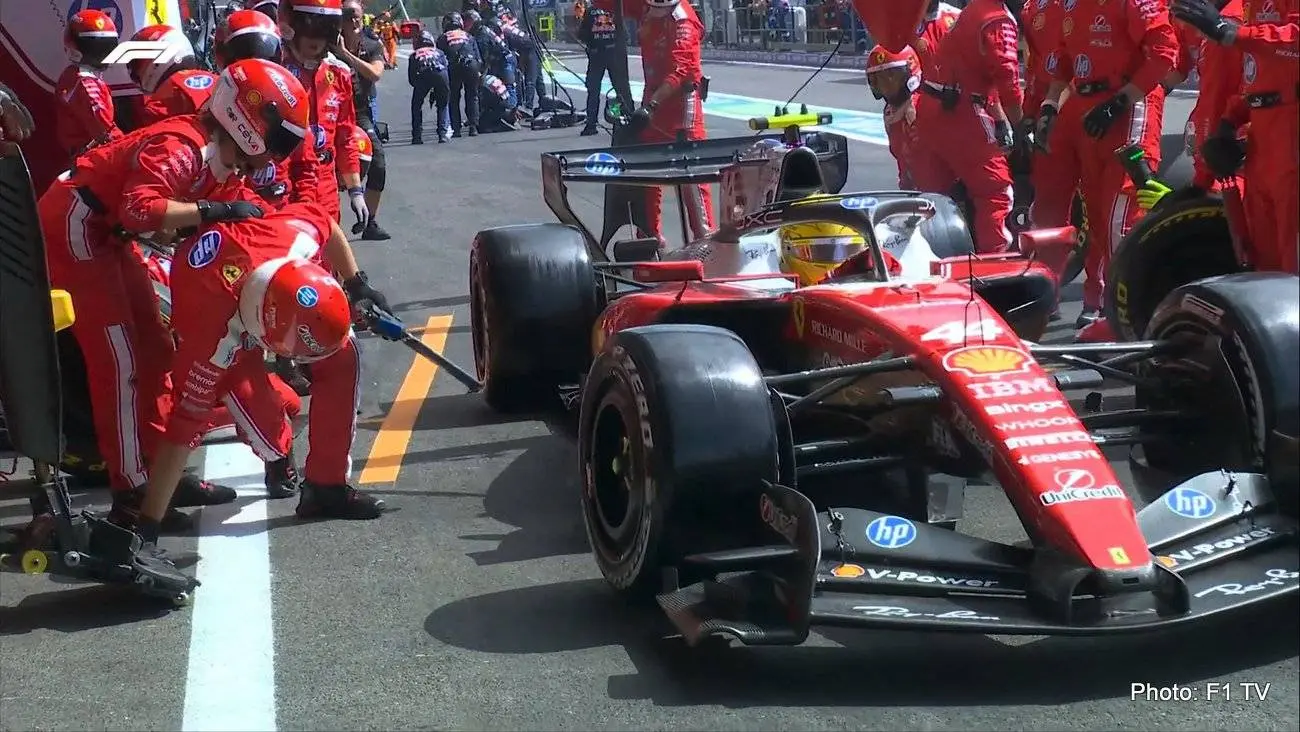
However, the “other teams” were not leading and held hostage to their own rule-making. McLaren’s position at the start of the pit lane left them heavily disadvantaged. Imagine the furore if both drivers had been brought in and then had to wait to be released as all and sundry rolled past.
A record 1.8-second pitstop would have meant nothing if they then had to remain parked a further 4 or 5 seconds due to traffic. Enough time for at least half a dozen drivers to get out in front of them.
All’s fair…
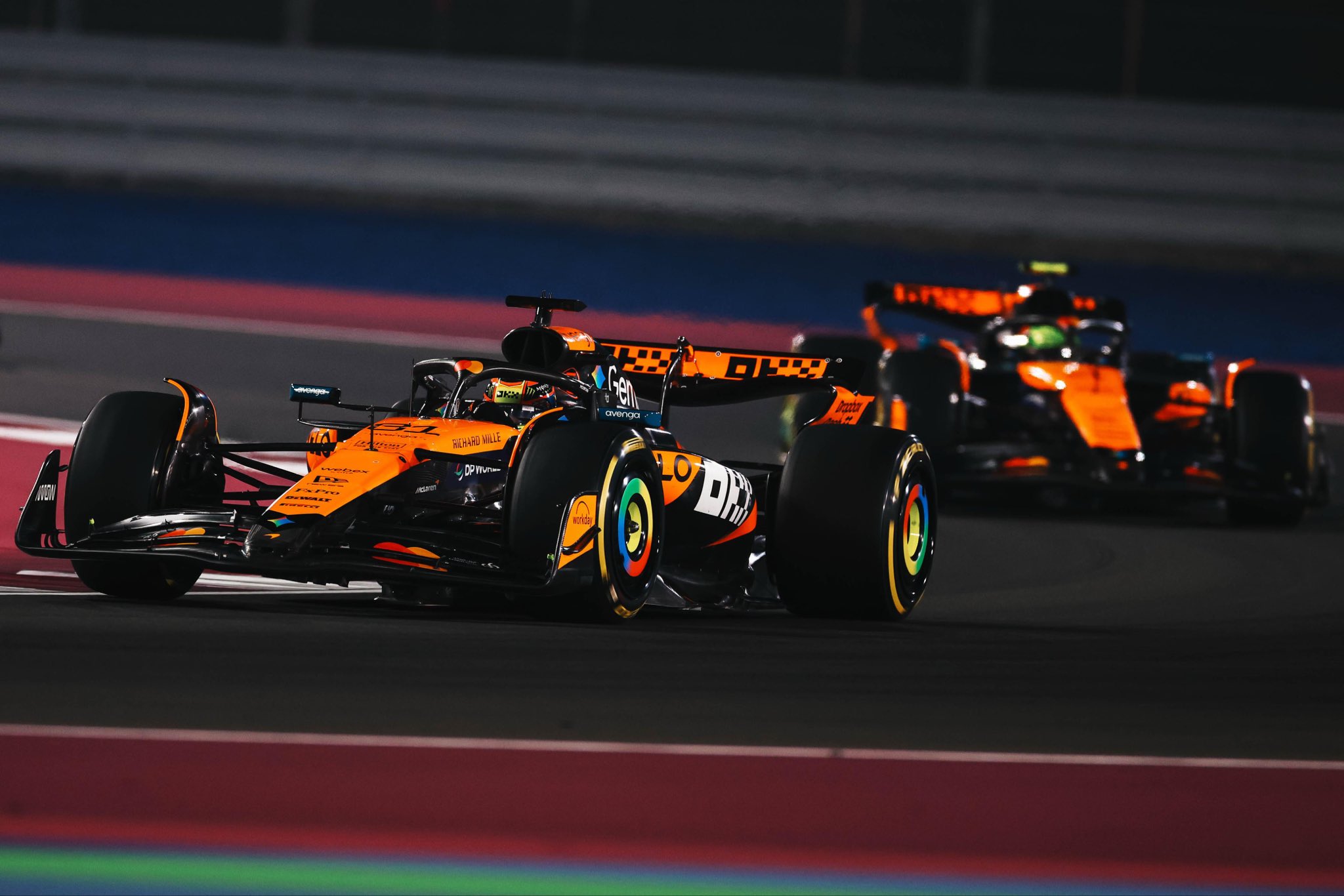
Lando Norris in particular, would have been heavily punished in this scenario, waiting for Piastri to clear before servicing his car, a Papaya Rules conundrum that may have steered them in the ‘stay out’ direction.
However, based on their pit box location, this was probably the best solution. On a track where overtaking isn't really a thing, having to pass other cars would have left them vulnerable.
This, in turn, could have led to an even worse result than the one they actually achieved.
Hindsight is a wonderful thing
It's not often that you’ll hear this column defending McLaren’s Lando-biased strategy, but in all honesty, the only thing they were guilty of last weekend was being at the wrong end of the pits.
Parc Ferme believes that, ironically, they may have made the best choice available to them because of their own restrictions. Imagine the furore that would have followed if Max had won and Lando finished out of the points!
Maybe that was the grand vision all along for the rule tweakers? Never mind script writers, even the best plans rarely survive first contact.
Latest News
Loading