Cannabis Cultivation in California: Best Practices for Sustainable Farming
F1 NewsSunday, 18 August 2024 at 01:23
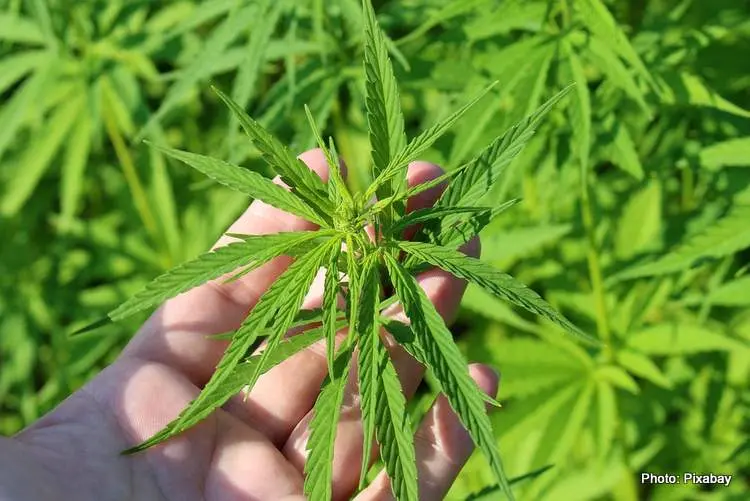
Cannabis cultivation in California is as diverse as the state itself, ranging from small, boutique operations to large-scale commercial farms.
As the cannabis industry grows, so does the responsibility to cultivate these plants in a manner that respects the environment and conserves resources.
This article for our Formula 1 readers and F1 fans interested in the subject, delves into the best practices for sustainable cannabis farming in California, exploring methods that not only yield high-quality cannabis but also promote ecological balance.
Choosing the Right Cannabis Strain for Local Conditions
Choosing the right strain isn't just about what sells; it's about what grows well in your local environment without needing excessive resources. California's varied climate means that a strain that thrives in the humid, coastal areas of the north might struggle in the arid south.
Farmers should consider strains known for their resilience to local pests and diseases and their ability to flourish under local soil and climatic conditions.
Sourcing genetics from reputable nurseries specializing in adaptive strains can make a significant difference. These nurseries often offer hybrids bred specifically for resistance to local challenges, such as drought or mildew, which can reduce the need for chemical interventions.
Moreover, understanding each strain's unique requirements helps plan the planting cycle to align with the most favorable weather conditions, ensuring that plants require less water and fewer additives to reach their full potential.
Organic farming isn't just a buzzword

It's a commitment to growing cannabis without synthetic fertilizers or pesticides. This approach appeals to the eco-conscious consumer, helps maintain soil health, and reduces the farm's carbon footprint. Transitioning to organic farming involves using natural soil amendments like compost and manure, which enrich the soil without the harmful residues left by synthetic products.
Cover crops can play a crucial role here. Growing legumes or clover between rows of cannabis can help fix nitrogen in the soil, reducing the need for chemical nitrogen fertilizers. These plants also add organic matter to the soil when they die, which improves soil structure and water retention. Crop rotation is another effective strategy to prevent soil depletion and to disrupt pest and disease cycles naturally.
Furthermore, integrated pest management (IPM) practices, such as introducing beneficial insects and using natural pest repellents, can help control pests without harmful chemicals. These techniques preserve the local ecosystem and produce a cleaner, greener product.
Water Conservation Strategies

Water management is critical to sustainable agriculture, especially in California, where water scarcity is a regular concern. Implementing efficient irrigation technologies such as drip irrigation can drastically reduce water usage by delivering water directly to the plant's roots rather than spraying it over large areas.
Moreover, collecting rainwater and implementing greywater systems can reduce a farm's reliance on municipal water supplies. These systems conserve water and ensure that plants are irrigated with minimal environmental impact. Additionally, mulching around the cannabis plants can help retain soil moisture, reducing the frequency of watering needed and limiting evaporation.
Using soil moisture sensors can also help make informed decisions about when and how much to water, optimizing water use. This targeted watering approach helps avoid the overuse of water and the resulting runoff, which can carry pollutants into local waterways.
Embracing sustainable practices in cannabis cultivation is not just good for the planet; it's also increasingly becoming a business imperative in California. As consumers become more environmentally conscious, they demand products that are produced responsibly.
By adopting the best practices outlined above, cannabis farmers in California can ensure they are part of an industry that provides high-quality products and protects and preserves the natural environment.
Sustainable farming practices are indeed the future of agriculture, and California can lead by example with cannabis. Finally, if you need help with tips for successful cannabis growth, then check out the following article!
Latest News











Loading
![Senna to Patrick Head: You drive this f@cking thing! [aka Williams FW16]](https://r.testifier.nl/Acbs8526SDKI/resizing_type:fill/width:256/height:170/plain/https://s3-newsifier.ams3.digitaloceanspaces.com/grandprix247.com/images/2025-11/ayrton-senna-wallpaper-1-by-johnnyslowhand.jpg@webp)