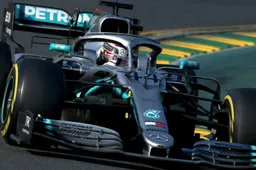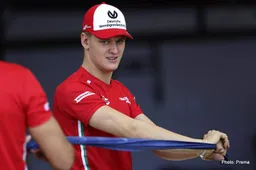
While the Formula 1 world watched, Ferrari instructed Charles Leclerc to hold station and not overtake Sebastian Vettel late on in the Australian Grand Prix, their new driver obliged and the pair crossed the line fourth and fifth respectively.
Apart from a below-par start to their season, the Reds were also forced to reign in their young charge as their number one driver struggled to find pace out of the SF90 package on the day.
Ferrari chief Mattia Binotto, who insisted before the season started that his drivers were allowed to race one another, has hailed Leclerc's work in Melbourne despite the highly rated 21-year-olds somewhat underwhelming weekend Down Under.
In the aftermath of the race on Sunday, Binotto told reporters, "I’m happy with the way [Charles] has adapted not only as a driver but also proved he is a team player. He has been very helpful, working constantly with engineers to improve the car, always pushing hard."
"If you judge his entire weekend it was very strong one. His qualifying wasn’t perfect and he knows it but I think he drove well in Q1 and Q2, maybe not perfect in Q3, but generally speaking, he had a very good weekend."
"In the race, his second stint was very strong, so I’m happy with the way he approached the first race and if that’s the starting point, then it’s a good starting point."
In the aftermath of the season opener, the question to be asked is: What does Charles have to do to be allowed to beat his teammate?
It is hard to see Ferrari reeling the youngster too often, and really the best way to address the balance of power which has been tilted Vettel's way since he arrived at Maranello in 2015, is for Leclerc to beat the senior driver in qualifying.
Leclerc showed on Saturday with his Q1 and Q2 efforts that he has the pace to be faster than his teammate but he needs to learn to deliver when it really matters, namely beat Vettel in qualifying and thus start ahead of him then beat him into Turn 1.
It will be a big ask for Leclerc to regularly thump Vettel in qualy.
On Saturday in Melbourne, the German extracted seven tenths out of the car between Q2 and Q3, while Leclerc could only eke out an extra three tenths which, ultimately, was the difference between third and fifth on the grid.
Put that down to experience. Seb played the old game of keeping his powder dry until it really mattered - Q3 - and popped a lap time way better than anything he set before that.
Once Leclerc gets into the habit of beating his teammate in Q3, the balance of power will inevitably adjust towards the younger driver. Vettel under proper pressure from within will be interesting to watch, it might just be his Achille's heel as it was back in 2014 when a young Daniel Ricciardo stepped up and trounced him.
Indeed Leclerc would be well advised to watch that season on F1TV because, unless he can do what Dan did five years ago, second fiddle it will be for the kid in car #16.
Big Question: What does Charles have to do not to get team orders flung at him?
loading
Latest News

Loading