Spectators and fans would agree that F1 racing can be heart-pumping, and the excitement can keep you coming back for more.
But other factors go beyond the driver, the skillful crews, the cars, and the fine-tuning of these machines. Logistics also plays a massive part in getting the entire team across the country—even continents—to compete in various race locations.
The F1 races can total up to 23 per year in 22 different countries and five various continents. Imagine what it takes to move 50 tons of freight overseas. There is also a significant amount of people per team that takes care of the equipment. It’s solely why the Australian Grand Prix was postponed last November of 2020. There are just too many people that would undergo quarantine if they did not choose to cancel it.
How Are F1 Cars Delivered?
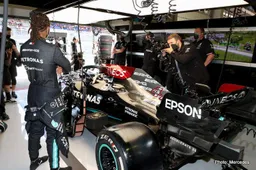
These customized racing cars are transported using specialized trucks that house and protects them on the way to local and international races. The F1 cars are loaded into these trucks and other equipment, fuel, supplies, and tools.
The whole team keeps an eye on F1 cars, and teams may use auto transport services similar to Caravan Auto Transport that can safely deliver Formula 1 race cars to their destinations. They are properly insured to handle various vehicles and are adopting COVID-19 measures to protect everyone involved.
Along with the cars are the following people involved apart from the drivers: senior team management, engineers, strategists, mechanics, chefs, support, staff, and set up crews.
The whole team has the responsibility to get to their destination as fast and safely as possible. Employing various modes of transportation is also a systematic way that they could reach the race location efficiently. They can travel by land, air, and sea depending on what is necessary.
By Land
On Formula 1 races, in-house teams are the ones delivering the cars to the tracks. It’s the most cost-effective and easiest way to transport F1 cars with trucks from trusted brand companies. The care is contained in a box to ensure their safety.
Teams can use as many as around 300 trucks. The drivers can drive almost non-stop, which is why it’s common to have multiple drivers in the team that takes shifts. It also means that they can travel safely because nobody behind the wheel is falling asleep.
A race weekend becomes more successful during the weekend when everything is ready and on schedule. When the trucks arrive at the next track, the team will start unpacking, setting up the equipment, and packing once again when the race is over.
By Air
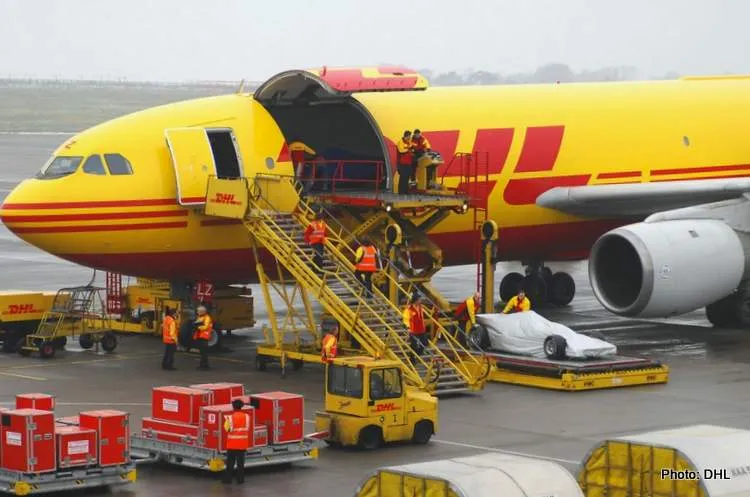
Air logistics for Formula 1 cars are much more complex because the teams need to make sure they meet their needs on a budget. They must also transport equipment in and out in a sustainable way to help lower CO2 emissions.
The team must transport the cars and the equipment in advance to ensure that they arrive just in time. The equipment is grouped into two parts, which are critical and non-critical.
The car is stripped down to its last component first before shipment. These critical parts include the following: car chassis, gearbox, engines, tires, wings, and computer-related equipment. They would be packed in slotted foam containers.
The non-critical comprises garage equipment like tools, jacks, and more.
These are in sets of five and are shipped in between to racing locations. They are alternating because one group would be the first to be sent to its destination, and the other set I returned to headquarters.
By Sea
Ocean travel is the slowest method and the most affordable way to make it to the overseas races. Both air and sea travel require special containers to house the F1 cars. Custom-built foam boxes protect components of the F1 cars.
Ocean shipping is also how replacement parts get to the racing team. After the race, the team, cars, and equipment may all go back the same way on a ship. While it is another option, the primary or critical components of the Formula 1 cars are not shipped by sea due to the slowness of the liner.
In Conclusion
F1 race cars are not the only machines racing on a track. The transportation it takes for teams to get them to the location of the race is a whole other art form. Not only are they transporting themselves but also loads of equipment and supplies. Domestic and international races also differ, and it takes more to travel for them overseas. The racing team adapts strategies and the proper logistics to ensure that they arrive on time and as safely.
Latest News










Loading