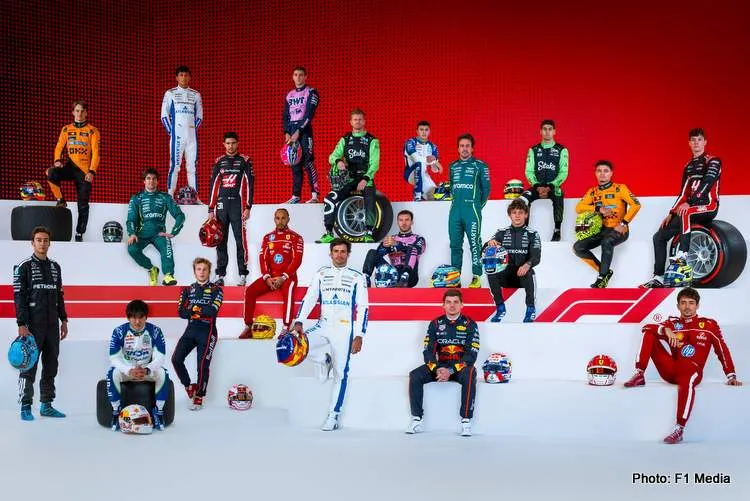
Formula 1’s surge into mainstream culture has accelerated, with Netflix documentaries, viral social media moments, and streaming platforms putting the sport under a global spotlight.
Yet behind the Formula 1 blur of speed and spectacle lies a layered economy — contracts, endorsements, savvy investments — that determines who truly crosses the financial finish line first. The richest F1 drivers in 2025 are those who understand the sport’s high-speed financial race just as well as its twists and turns on track.
It’s tempting to imagine that luck, like checking Powerball lotto results, might decide a driver’s fortune. But unlike a lottery ticket, driver wealth is built on a complex engine of talent, timing, and business acumen.
There’s also a less visible crossover between racing income and business ventures, often mixing high-stakes sponsorship deals with tech startups and lifestyle brands. Some drivers use their fame to fuel off-track ventures — from fashion lines to esports — diversifying their portfolios far beyond prize money. It’s not enough to race fast; financial security demands strategy off the circuit as well.
And now, to the key drivers and factors behind F1’s highest earners — the usual suspects and some surprising plays, all driving wealth in different ways.
Contracts That Break Records And Expectations

Max Verstappen’s contract with Red Bull is the talk of the paddock, any new deal potentially reportedly shattering pay records and setting a new benchmark for driver salaries. Lewis Hamilton’s long tenure with Mercedes continues to pay dividends, not just on track but in paycheck size.
But it’s a steep gradient. The gulf between these stars and midfield drivers like Lando Norris or Esteban Ocon is vast. Like betting odds favoring the frontrunners, the financial spread on driver salaries reflects team budgets and star power, not just lap times. A winning car doesn’t guarantee a winning contract, but it certainly helps shape the deal.
Endorsements: The Unseen Sponsor
Salaries tell only part of the story. Lewis Hamilton, with deals spanning luxury brands, environmental initiatives, and lifestyle ventures, earns as much off track as he does in race bonuses. Verstappen’s endorsements in tech and energy drinks bolster his bottom line.
The savvy driver is more than an athlete — they’re a brand, a marketing vehicle, a walking billboard. The best deals come to those who understand their public image as a business asset, turning fan enthusiasm into lucrative contracts.
Formula 1 Team Success: The Power Behind the Paycheck

Formula 1 remains a team sport. The richest drivers are almost always those in winning cars. Red Bull and Mercedes not only build race winners but also package their success into bigger paydays — including performance bonuses and profit shares.
This dynamic shapes the grid’s financial landscape. Being on a winning team often means a secure salary and a cut of prize money. It’s a pattern that echoes in betting markets: consistency and resources matter just as much as raw speed.
Smart Business Moves
No driver bets everything on the next race alone. Lewis Hamilton’s fashion lines and Nico Rosberg’s investments in green tech showcase a broader financial strategy.
These moves mitigate the sport’s unpredictability. Drivers build portfolios that outlast their racing careers. The richest aren’t just fast — they’re financially savvy, turning fame into a durable asset.
Legacy and Media Rights — Income After Retirement
The race doesn’t end at retirement. Michael Schumacher’s brand continues to generate millions through licensing deals and documentaries. Lewis Hamilton is actively cultivating a legacy beyond trophies with media projects and endorsements.
Legacy-building transforms an athlete’s career into an enduring business. The wealthiest drivers understand this. They invest in storytelling and branding that ensure income flows long after the engines have cooled.
Life After Racing: The Next Lap

Retirement in Formula 1 is rarely an exit; it’s a new course. Many ex-drivers become broadcasters or team principals, using experience to maintain relevance and income.
Others take entrepreneurial routes, launching businesses or investing in startups. The goal is security — knowing when to slow down financially, even if the race pace demands acceleration on track.
Why This Matters to Formula 1 Fans
Understanding driver wealth isn’t just gossip. It reveals the engine behind performance and longevity in F1. For bettors, knowing who commands financial power can illuminate the odds — big paychecks often reflect stable teams and resources, increasing the chance of consistent finishes.
For fans, it adds texture. Wealth is a story about talent, timing, and savvy — a reminder that F1 is as much about business strategy as it is about racing speed.
FAQs
Q: Who are the richest Formula 1 drivers in 2025?
A: Verstappen and Hamilton top the list, thanks to record contracts and global endorsements.
A: Verstappen and Hamilton top the list, thanks to record contracts and global endorsements.
Q: How big a role do endorsements play?
A: A major one. They often rival or exceed race earnings.
A: A major one. They often rival or exceed race earnings.
Q: Does team success affect driver income?
A: Yes. Winners earn bonuses and share prize money, widening pay gaps.
A: Yes. Winners earn bonuses and share prize money, widening pay gaps.
Q: Why do drivers invest off-track?
A: To protect against career volatility and create lasting wealth.
A: To protect against career volatility and create lasting wealth.
Q: Can retired drivers still earn from Formula 1?
Latest News
Loading

