How Formula 1 Engineering Teams Operate Under Extreme Pressure
F1 Teams NewsTuesday, 26 May 2026 at 01:53
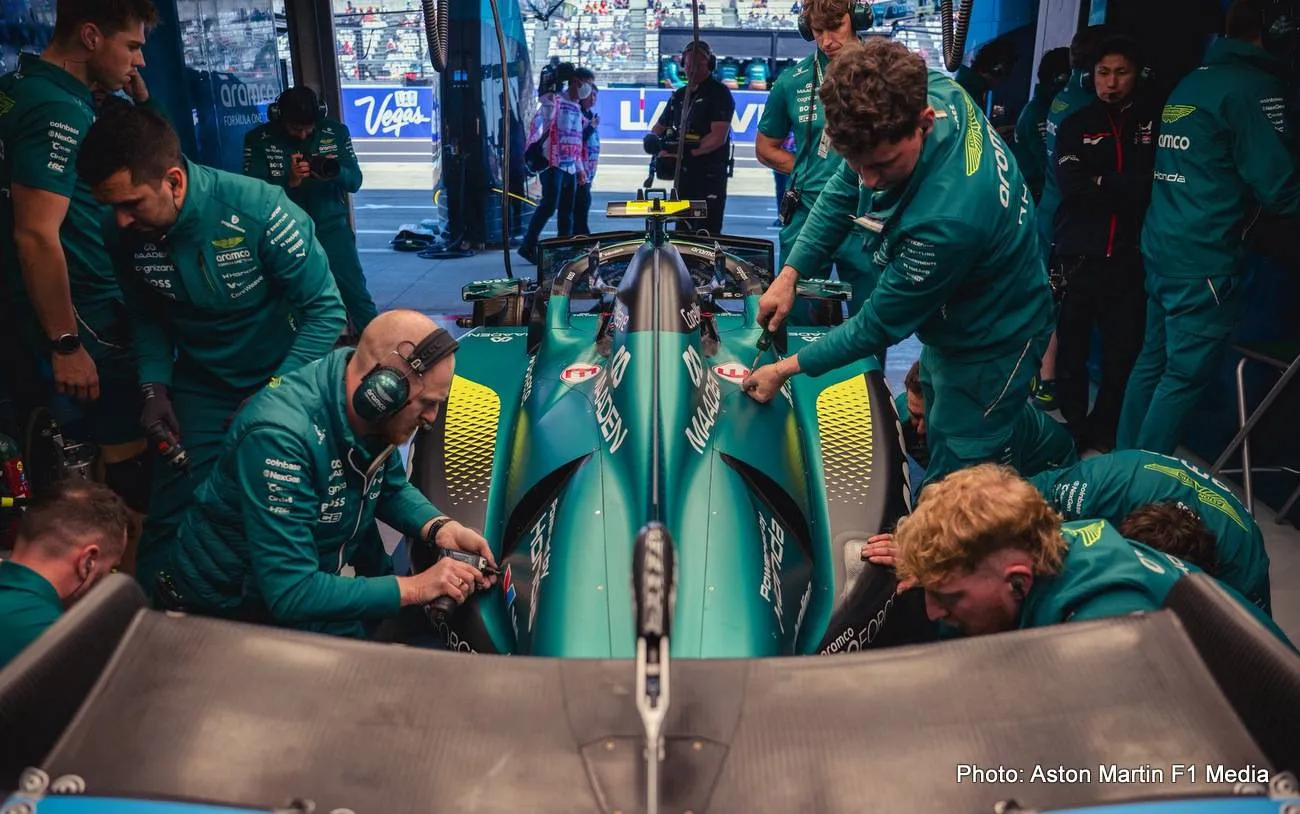
From the outside, Formula 1 often appears centred on drivers, overtakes, and podium celebrations. Behind every race, however, sits an enormous engineering operation working under some of the most demanding conditions in professional sport.
Modern Formula 1 teams operate in an environment where milliseconds can decide championships and where technical decisions must often be made instantly under immense pressure. During a race weekend, hundreds of engineers, strategists, mechanics, software specialists, and support staff work together in a highly coordinated system that blends advanced technology with rapid human decision-making.
While drivers remain the visible face of the sport, Formula 1’s competitive edge increasingly depends on how effectively engineering teams respond to constantly changing conditions in real time.
Race Weekends Begin Long Before Cars Reach the Track
The intensity of a Formula 1 weekend starts well before cars arrive at the circuit. Teams spend days — and often weeks — preparing simulations, setup models, tyre strategies, aerodynamic configurations, and race scenarios in advance.
Factories continue operating throughout the race weekend itself. Most Formula 1 teams maintain remote operations centres where engineers analyse live telemetry and simulation data alongside trackside staff. These facilities function almost like mission control centres, processing enormous amounts of information throughout every session.
By the time practice begins on Friday, teams already have detailed expectations about tyre degradation, fuel consumption, weather conditions, and optimal setup directions. However, Formula 1 rarely unfolds exactly as predicted.
Track temperatures change unexpectedly. Wind direction alters aerodynamic balance. Tyre behaviour differs from simulation models. Small variables can force teams to rethink strategies within minutes.
This constant uncertainty is what makes real-time engineering so critical.
Communication Is Relentless
One of the defining features of Formula 1 engineering environments is the sheer volume of communication taking place at any given moment.
Drivers speak continuously with race engineers during sessions, providing feedback about grip levels, tyre performance, braking balance, and car behaviour. At the same time, engineers relay strategic instructions, performance targets, and system updates back to the driver.
Behind those conversations sits an even larger network of communication between departments. Aerodynamic engineers, tyre analysts, strategists, reliability specialists, and software teams are all exchanging information simultaneously while monitoring live telemetry.
The challenge is not simply collecting data — it is identifying which information matters most under time pressure.
A poorly timed strategic call can compromise an entire race. Equally, reacting too slowly to changing conditions can eliminate a competitive advantage within seconds.
This environment requires a balance of technical precision and calm decision-making that few industries demand at such intensity.
Problem-Solving Happens in Real Time
Formula 1 teams must constantly solve problems under conditions where delays are costly and opportunities disappear quickly.
If a driver reports unusual tyre wear, engineers may need to determine within moments whether the issue relates to setup, driving style, track evolution, or mechanical performance. During races, teams are continuously calculating how changing variables affect overall strategy.
Safety cars create particularly difficult scenarios. Engineers and strategists often have only seconds to decide whether to pit, stay out, or switch tyre compounds. Those decisions rely on live simulation models, predictive analysis, and communication between multiple departments simultaneously.
Mechanical issues add another layer of complexity. Modern Formula 1 cars contain highly sophisticated hybrid systems, software controls, and aerodynamic components that require constant monitoring.
When problems emerge, engineers must assess not only how severe the issue is, but also whether continuing to race risks damaging long-term championship objectives.
The pressure is amplified by the global visibility of the sport. Every major decision unfolds in front of millions of viewers, with outcomes analysed immediately by fans, media, and competitors.
Data Has Become Central to Performance
Modern Formula 1 engineering relies heavily on data analytics. Teams collect vast quantities of telemetry from every lap, monitoring everything from suspension movement and tyre temperatures to energy deployment and aerodynamic efficiency.
Engineers use this information to make continuous adjustments throughout race weekends. Setup changes between sessions are often guided by highly detailed performance modelling rather than intuition alone.
Artificial intelligence and predictive analytics are also becoming increasingly influential. Teams now simulate multiple race outcomes in real time, helping strategists respond more effectively to safety cars, tyre degradation, and weather changes.
This data-driven environment has changed the role of Formula 1 engineers significantly. Modern engineers require not only mechanical understanding, but also expertise in software, computational modelling, and systems analysis.
The wider automotive industry reflects a similar shift toward digitally driven performance and personalisation. Across enthusiast culture, companies like Plates Express reflect the growing importance motorists place on presentation, identity, and vehicle customisation alongside technical innovation.
Teamwork Defines Success
Despite Formula 1’s technological sophistication, success still depends heavily on teamwork.
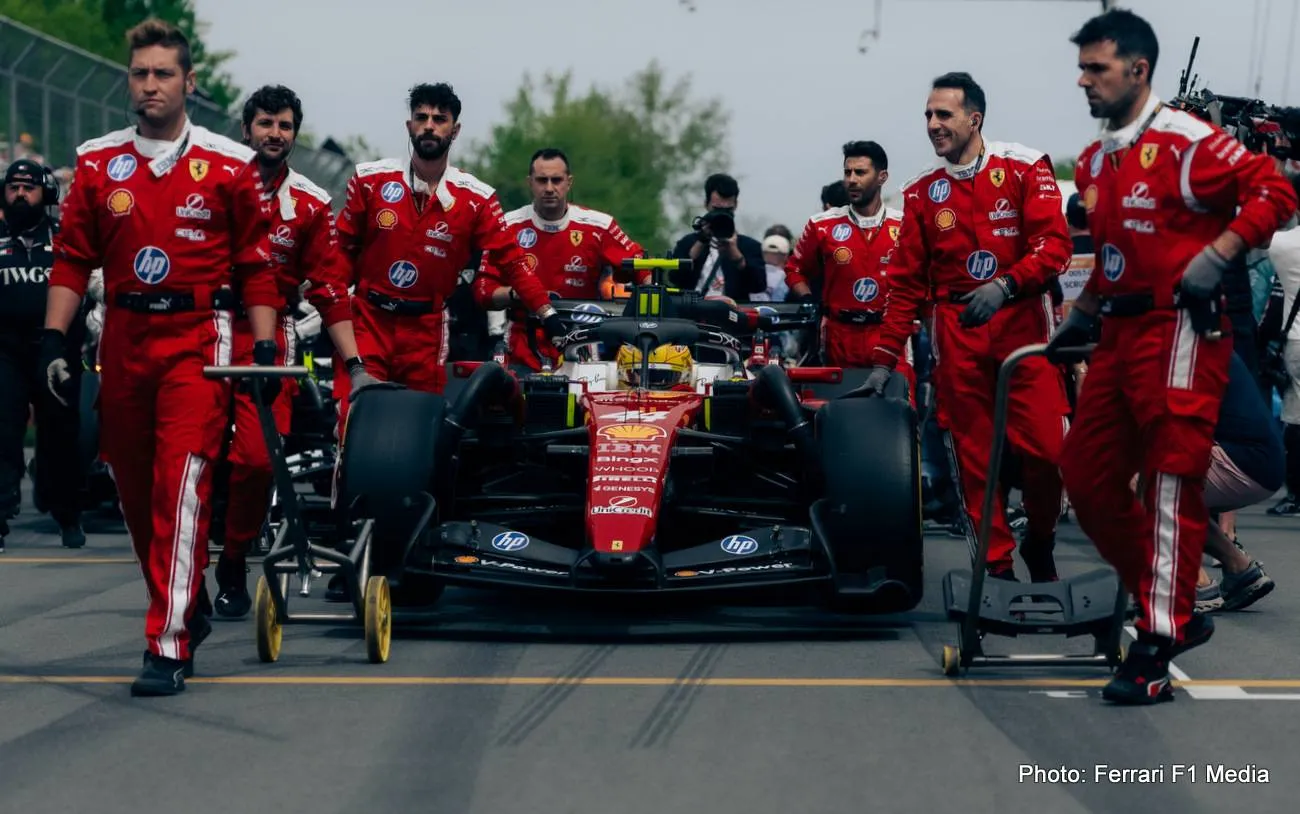
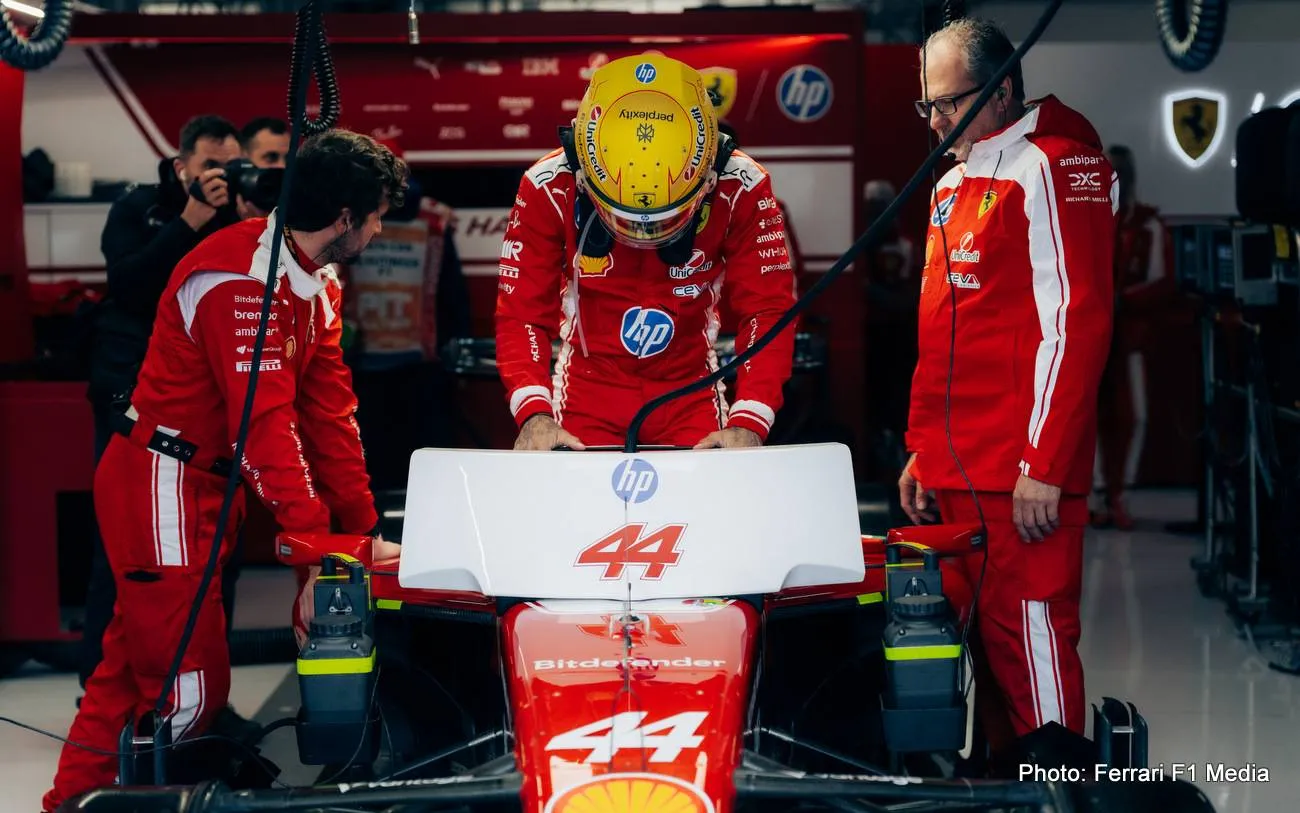
A race engineer may act as the driver’s primary contact, but effective performance depends on hundreds of individuals operating cohesively under pressure. Pit crews rehearse tyre changes repeatedly to reduce fractions of a second. Strategists coordinate with analysts. Mechanics prepare cars overnight after crashes or mechanical failures.
Trust is essential because decisions often need to be made rapidly without complete information.
Drivers must trust engineers when strategy calls feel counterintuitive. Engineers must trust drivers to deliver consistent feedback under extreme physical and mental stress. The smallest breakdown in communication can compromise performance immediately.
This collaborative environment is one reason Formula 1 attracts interest far beyond motorsport fans. The sport increasingly serves as a case study in leadership, operational efficiency, and high-performance teamwork.
The Human Side of High-Pressure Engineering
Although Formula 1 is heavily associated with technology, the emotional demands on engineering teams are often overlooked.
Race weekends involve long hours, international travel, constant scrutiny, and sustained mental intensity. Engineers may spend months away from home during a season while operating in environments where even minor mistakes can have major consequences.
Pressure is particularly intense at the front of the grid, where championship outcomes can hinge on a single strategic decision or technical failure.
Yet this pressure also drives the sport’s culture of innovation. Formula 1 engineering teams are constantly refining processes, improving communication systems, and searching for marginal gains because competitive advantages are so difficult to achieve.
Formula 1 as a Modern Engineering Ecosystem
Modern Formula 1 is no longer defined solely by fast cars and talented drivers. It has evolved into one of the world’s most sophisticated real-time engineering environments.
Every race weekend depends on rapid problem-solving, advanced analytics, technical collaboration, and calm decision-making under extraordinary pressure. Teams must balance preparation with adaptability while responding instantly to unpredictable conditions.
As motorsport technology continues advancing, Formula 1 engineering operations will likely become even more data-driven and interconnected. Yet despite the rise of simulation tools and artificial intelligence, the sport still depends heavily on human judgement, communication, and teamwork.
That balance between technological precision and human performance remains one of the defining features of Formula 1 itself.
Latest News




Loading