Scenario of a Race: How Team Analysts Model Outcomes Before the Lights Go Out
F1 OpinionThursday, 05 March 2026 at 00:44
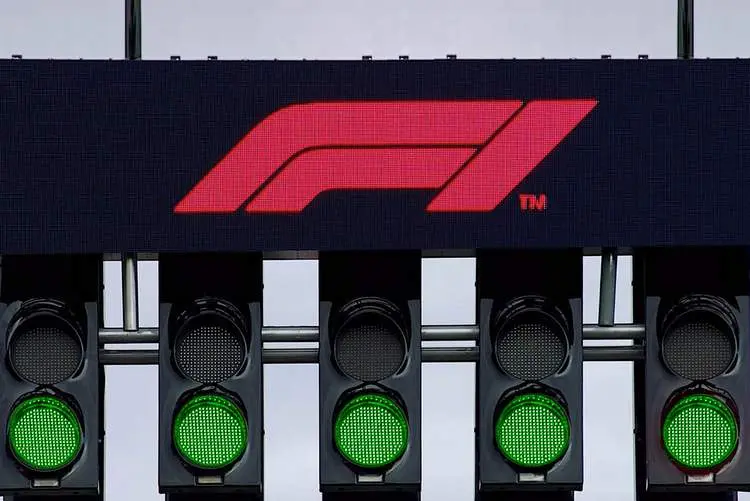
Formula 1 is often described as a battle of speed, nerve and engineering brilliance. Yet long before the five red lights fade, the race has already been run dozens of times — inside powerful simulation systems operated by analysts, strategists and data scientists.
Every
tyre choice, pit window and safety car probability is examined in advance.
For a British audience familiar with both
motorsport and interactive wagering, this methodical approach to uncertainty
raises an intriguing question: what can high-performance racing teach us about
managing risk and probability in digital entertainment?
The Race Before the Race
Modern Formula 1 teams collect
extraordinary volumes of data. Practice sessions provide telemetry on tyre
degradation, fuel consumption, brake temperatures and sector performance.
Historical records reveal how a particular circuit behaves under different
weather conditions.
Before race day, strategists input these
variables into simulation models. One common approach is Monte Carlo analysis —
running thousands of virtual races with slightly altered variables to identify
the most probable outcomes.
Rather than guessing whether a one-stop
strategy will succeed, teams quantify the likelihood of success under multiple
scenarios: an early safety car, a sudden drop in track temperature, or a rival
attempting an undercut.
This is not gambling in the casual sense.
It is structured probability management.
Scenario Trees and Contingency Plans
Analysts build scenario trees that map
potential race developments. For example:
●
If tyre degradation exceeds
projections, pit earlier.
●
If a safety car appears between
laps 18 and 25, switch to Plan B.
●
If rain probability increases
beyond a defined threshold, extend the current stint.
By race morning, engineers already know
how they will respond to at least ten distinct developments. When a strategic
call is made on lap 37, it may look instinctive. In reality, it has likely been
rehearsed in simulation dozens of times.
Managing Risk at 200 Miles Per Hour
Drivers speak of “going for it”, yet
every bold move is evaluated against risk tolerance. Teams weigh potential gain
against the probability of tyre drop-off or track position loss.
In Britain, where betting culture and
statistical awareness intersect naturally with sport, fans understand that risk
is rarely blind. The difference between reckless and rational behaviour lies in
preparation.
A similar logic underpins responsible
play in regulated online platforms. Players who understand volatility, return
percentages and bonus terms are far better positioned to make informed choices.
The principle mirrors that of a race strategist: know the variables, evaluate
the downside and act with discipline.
Digital Strategy and Probability Models
Interactive gaming environments also rely
on mathematical frameworks. Random number generators ensure fairness.
Probability matrices determine payout structures. Data analytics refine user
experience.
While the context differs from
motorsport, the underlying philosophy is comparable. Outcomes are uncertain,
but the architecture governing those outcomes is designed through precise
modelling.
For example, at LuckyMate Casino, players
explore a broad portfolio of slot titles, live dealer tables and promotional
incentives built around defined probability mechanics. Understanding these
structures — rather than relying on impulse — transforms participation into a
more considered experience.
Reading the Conditions
Just as teams monitor live telemetry
during a race, informed players pay attention to session length, bankroll
management and promotional conditions. A well-designed platform makes those
terms accessible and clear.
British players reviewing wagering
opportunities, bonus offers and interactive gaming options at Lucky Mate Casino
benefit most when they approach participation analytically — assessing risk,
reviewing conditions and setting limits in advance. This measured mindset
mirrors the calm decision-making seen on a Formula 1 pit wall.
Preparation as Competitive Advantage
The purpose of race modelling is not to
eliminate uncertainty. That would be impossible. Instead, it reduces surprise
and narrows the margin of error.
When a safety car unexpectedly reshuffles
the order, teams that prepared multiple responses gain an advantage over those
relying on instinct alone. Preparation does not guarantee victory, but it
increases the probability of a favourable outcome.
In digital wagering environments,
preparation serves a similar role. Reviewing payout structures, understanding
promotional mechanics and setting realistic expectations all contribute to a
more controlled and enjoyable experience.
Strategy Over Emotion
Emotion is powerful — in sport and
entertainment alike. Yet the most successful Formula 1 strategists are those
who detach momentarily from adrenaline and trust their models.
Likewise, disciplined engagement with
online betting and interactive titles requires clarity rather than impulse. At
LuckyMate Casino, structured bonus programmes, varied betting markets and
clearly presented game mechanics support a measured approach. When strategy
leads and emotion follows, the experience becomes more sustainable.
The British Perspective on Risk and Reward
The UK has a long-standing relationship
with both motorsport excellence and regulated wagering culture. From
Silverstone to digital platforms accessed from home, the common thread is
informed participation.
British audiences appreciate nuance. They
understand that chance plays a role, yet they also value preparation and
fairness. The modelling practices of Formula 1 reinforce this mindset:
uncertainty can be studied, risk can be managed and decisions can be improved
through analysis.
The race, in many ways, is won before it
begins.
Latest News



Loading