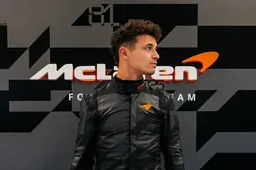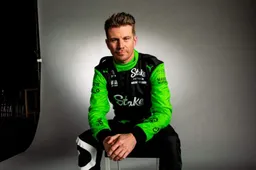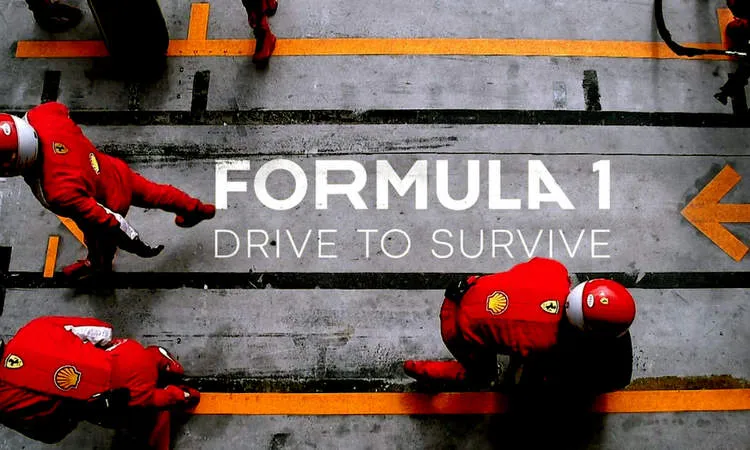
As we approach the 2025 Formula 1 season, we inch closer to the now yearly hype train that is Drive to Survive. But with the show seemingly running on fumes as it enters its seventh season, is anyone still excited about it?
Netflix rarely publishes its viewing figures, but Drive to Survive has proven hugely popular, and it has been credited for an explosion in F1 interest around the world. This growth has attracted new teams, sponsors and tracks, albeit at a cost.
Many seasoned F1 fans have criticized Drive to Survive’s tendency to over-dramatize, with some outright accusing it of misrepresenting facts and deliberately stirring trouble.
With 23% fewer people watching season six than the one before, this begs the question: is season seven a tipping point for the show? Or is Drive to Survive still a worthwhile watch?
Does Drive to Survive stir the pot too much?

Let’s start with the evidence that Drive to Survive takes things too far: the outright fabrications. Whether it be Sebastian Vettel’s faked radio call at the Styrian Grand Prix or Lando Norris’ ‘rivalry’ with bestie Carlos Sainz, there are multiple examples of this.
Numerous drivers have called out these falsehoods and exaggerations themselves, with Max Verstappen refusing to contribute to early seasons on the grounds of fakery.
Verstappen said: “From my side, as a driver, I don’t like to be a part of it [DTS] because you do interviews, and you don’t know what it’s going to be used for. So, for example, in my first year I gave interviews, but, of course, when I watched the series, I knew when I said these things, and then they used it on a different kind of footage; they would fake a lot of stuff.
“For me, that—as a driver, I don’t look at it as a fan—I think that’s not correct. But I understand as a Netflix show, they want to make it more dramatic for people and make it look like this epic kind of battle.
"Where sometimes they faked a few rivalries or whatever, which they don’t really exist. So I decided not to be a part of it," he said at the time.
Others have questioned the way episodes are put together around the drivers Netflix follows for a specific weekend, rather than real Grand Prix talking points. This formula, which has been copied by other series like NASCAR: Full Speed in recent years, is arguably becoming pretty stale, and this has been reflected in the show’s rapidly declining audience.
The case for Drive to Survive: Hype!

In defense of F1 and its Liberty Media paymasters, the series’ growing appeal has no doubt been driven by unprecedented paddock access. Drive to Survive has proven to be a perfect starting point for many new fans, giving them the inside scoop on all the latest goings-on.
Since the show launched, presenter Will Buxton and former Haas boss Guenther Steiner have become walking memes for their overly obvious and swear-laden commentaries. F1’s growing profile will also have played a part in the likes of Cadillac, Audi, Ford, and Honda committing to race in the long term.
With regards to the show's ‘scripting,' executive producer James Gay-Rees, has defended its approach, saying that the Drive to Survive crew is basically “observational filmmaking.”
“Any ‘access show’ basically works on the basis of 20 to one, so for every 20 hours you shoot, you can use one hour," Gay-Rees said.
"That’s just an industry rule of thumb. It might be 10 here, 30 for others, but that’s not unheard of for all these shows.
“If you’re shooting a show about an airport or a hospital, you’ll shoot way more than you use by definition. It’s observational filmmaking; you’re not shooting a fixed script, you’re shooting material, which you then pull together to make episodes," Gay-Rees concluded.
Verdict: All aboard the hype train

It may not be for everyone, but there’s no denying Drive to Survive’s positive impact on F1. Plus, it has been three long months since the season ended; fans are due some fresh content.
Last season was also pretty tasty as title battles go. No doubt Verstappen vs. Lando Norris will be one of the big talking points.
Also think about all the other stories it’s likely to cover: Lewis Hamilton to Ferrari, Charles Leclerc’s win at Monaco, Alpine’s double podium in Brazil. There’s a lot of potential there.
So Drive to Survive may not be perfect, but it does still fill the F1 content void. Season seven airs on March 7, 2025, ahead of F1’s season opener in Australia on March 16.
loading
Latest News

Loading