Ferrari's 2026 Gamble: Escape from the Abyss or Another False Dawn?
F1 OpinionWednesday, 21 January 2026 at 04:33
Formula 1 is on the cusp of a massive shakeup in 2026, with revamped rules promising lighter, nimbler cars and a big push toward sustainability.
Cars will shed 30 kilograms, hitting a minimum of 768kg, while getting shorter and narrower for better handling in tight battles. Formula 1 power units shift to a 50-50 split between internal combustion and electric power, ditching the old exhaust energy recovery system for a beefed-up braking recovery setup.
All fueled by 100 percent sustainable blends, this overhaul aims to make racing closer and more exciting, replacing DRS with an overtake mode that gives trailing drivers extra electric boosts on straights. Active aero lets wings adjust for low-drag runs, potentially sparking wild overtakes.
Amid this buzz, all eyes lock on Ferrari, the legendary squad mired in a brutal slump. No constructors title since 2008, and their 2025 season was a disaster, finishing fourth with zero wins. Fans and pundits at Casino Lucky Twice whisper about whether the Prancing Horse can claw back to glory, especially with the new regs offering a clean slate.
Spotlight on the Dream Team

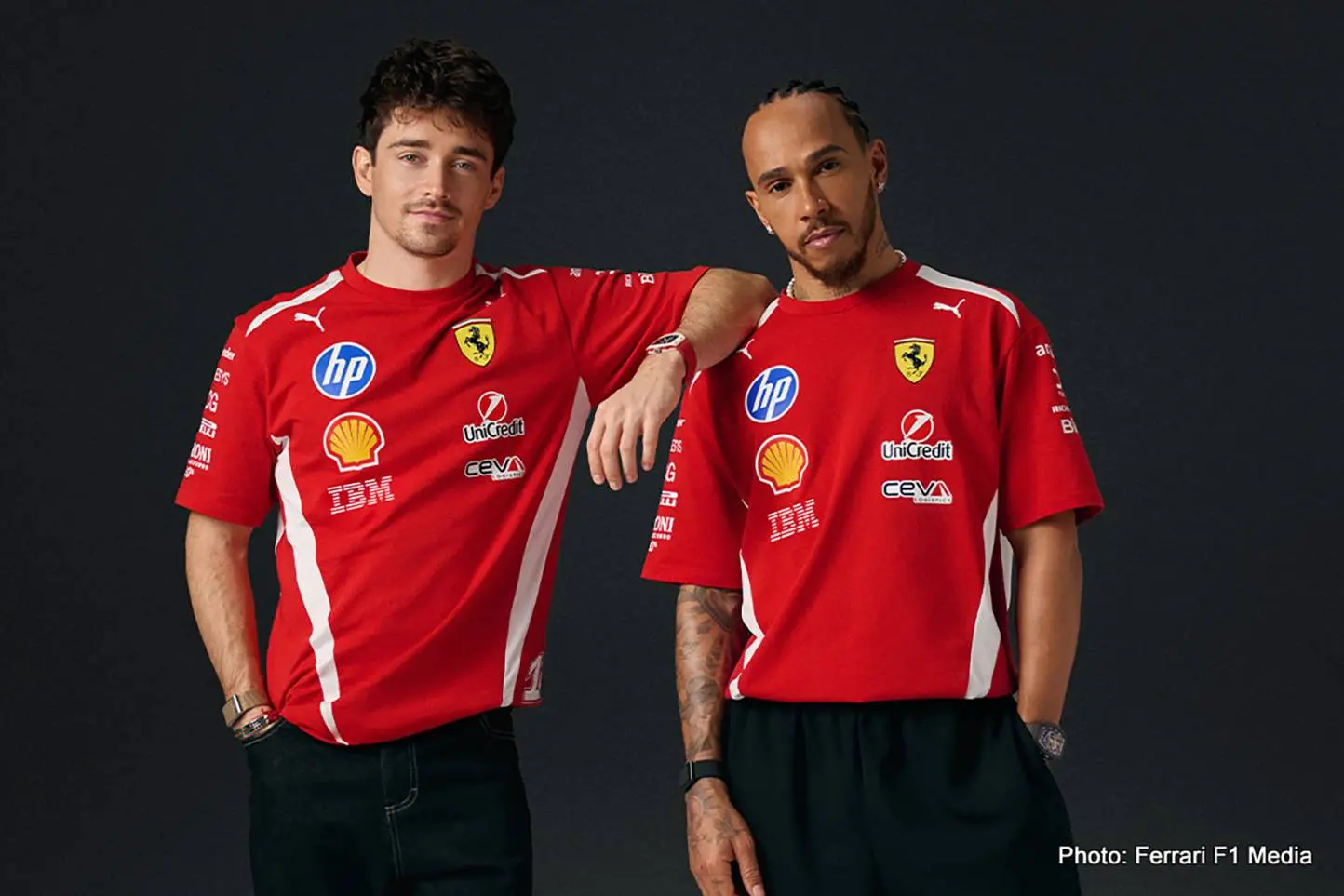
Charles Leclerc and Lewis Hamilton form a powerhouse duo that's got everyone talking. Leclerc, the fiery Monegasque who's been with Ferrari since 2019, nabbed seven podiums in 2025 but ended fifth in the standings, his fourth winless year. He's called 2026 a huge opportunity, hinting its make or break for showing what the team can do.
Hamilton, the seven-time champ who jumped ship from Mercedes in 2025, struggled without a single podium in his debut red season. Yet his experience could be gold in navigating the tricky new tech. Together, they promise fireworks, but questions swirl: Can they gel under pressure? Will the car let them shine?
Pundits speculate that if Ferrari flops again, Leclerc might bolt after 2026, with rumors of talks at Mercedes, Aston Martin, and McLaren. Hamilton's patience might wear thin too, given his hunger for an eighth crown. The pairing amps up the drama, turning Ferrari into the grid's most watched story.
Glimmers of Hope

On the bright side, Ferrari's bold move to pivot early to 2026 development might pay off big. Back in April 2025, they halted upgrades on the current car to pour resources into the future, accepting short-term pain for long-term gain. Team boss Fred Vasseur defends this, saying it was the right call despite the hit to morale.
With the regs emphasizing electric power and agile chassis, Ferrari's engineers have a shot at a breakthrough. Their storied history in innovation could shine here, think revolutionary aero tweaks or smart energy management that exploits the 300 percent hike in electric output.
Plus, the sustainable fuel mandate levels the playing field, and Ferrari's in-house power unit expertise might edge out rivals like Red Bull, who'll debut their own engines with Ford. If they nail the active aero and overtake systems, we could see the red cars dominating straights and corners alike. Vasseur looks cautiously optimistic in recent chats, suggesting the team feels ready to pounce.
Even F1 chief Stefano Domenicali roots for a strong Ferrari, urging them to channel the right energy. This reset echoes past eras where Ferrari roared back, like in the hybrid dawn of 2014 when they adapted swiftly.
Shadows of Doubt

But risks loom large, threatening to derail the revival. Power unit woes top the list, reports point to organizational snags and delays in crafting the 2026 engine, which must balance that hefty electric surge without losing punch. If the motor falters, overtakes could turn into nightmares, especially with the new rules ditching DRS for unproven boosts that kick in only at high speeds.
Then there's the human factor: a brewing staffing crunch. Key talents have jumped ship in recent years, drawn to rivals like Red Bull or McLaren, leaving gaps in aero and strategy brains. Vasseur admits underestimating the psychological toll of sacrificing 2025, which sapped motivation across the board, including drivers.
Morale dips could linger, hampering innovation. Budget caps and the rush to adapt might stretch resources thin, especially if testing reveals glitches in the lighter chassis or active wings.
Critics worry the regs might even hurt racing, with some fearing dirtier air from aero modes could create trains instead of duels. For Ferrari, already reeling from 2025's backward step, another slow start in Melbourne could spell doom, as Leclerc hinted it's now or never.

Latest News
Loading