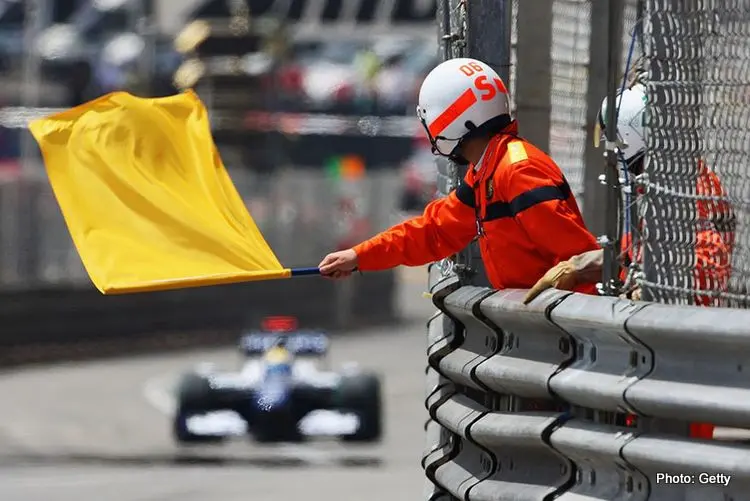
Traveling the globe at breakneck speeds, Formula 1 drivers and their support crews face a unique set of challenges, logistical and physical hazards to be precise.
Fans focus more on podium finishes, but the real triumph lies in how meticulously teams prepare for worst-case scenarios. Surviving the pinnacle of motorsport requires rigorous, highly calculated emergency readiness and response protocols.
Managing Medical Information Kits
Every team member travels with comprehensive dossiers detailing blood types, allergies, and surgical histories. Update files, medical readiness improves, treating injuries on the track becomes easier. Medical teams rely on this immediate data to make split-second decisions during a high-speed accident.
Organizing Key Documents and Financial Safeguards
The inherent danger of professional car racing means drivers cannot ignore personal financial readiness and estate planning. Ensuring beneficiaries are current prevents administrative nightmares for staff crossing borders.
Because there is an obvious element of risk to one’s life in motorsport, exploring burial and final expense plans makes total sense for anyone who doesn’t want to leave a financial burden to loved ones. These policies offer affordable end-of-life coverage, often with minimal waiting periods, providing a crucial safety net for families back home.
Standardizing Global Evacuation Plans
Moving personnel across continents requires precise contingency planning for sudden political unrest. Managers establish clear protocols for worst-case scenarios. Everyone must know how to exit a dangerous situation swiftly.
Teams routinely finalize the following emergency travel protocols:
- Securing secondary flight routes and backup charter planes.
- Maintaining a centralized database of emergency embassy contacts.
- Storing physical copies of essential passports and visas.
- Designating safe gathering points at every international hotel.
Deploying Trackside Emergency Responders
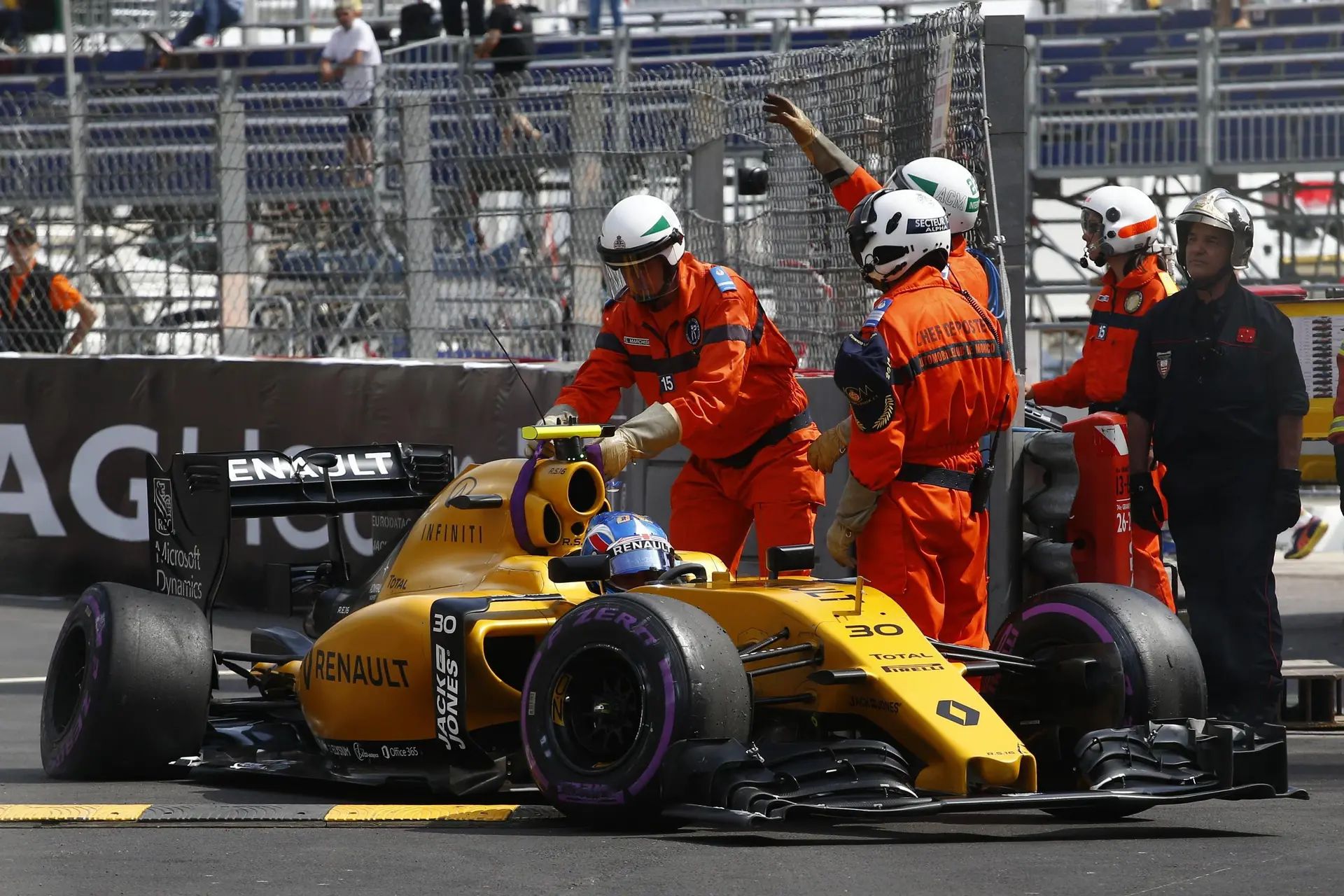
Trackside safety relies heavily on immediate, coordinated action from specialized personnel stationed around the circuit. For participants and responders alike, safety drills are critical.
Train staff, response time is quicker, saving lives after severe crashes becomes easier.
A critical component of this rapid reaction force is the highly specialized medical car, which follows the pack during the opening lap to provide instant trauma care. The physician onboard carries everything necessary to stabilize a driver before an ambulance even arrives.
Adapting to Unpredictable Track Conditions
Again, regular emergency drills improve safety immensely. And beyond collisions, teams prepare for sudden environmental hazards like flash fires. Drivers practice extracting themselves from the vehicle completely blindfolded to simulate thick smoke.
This rigorous conditioning remains absolutely necessary, even as F1 cockpit technology continues to advance. Teams know that relying solely on engineering cannot guarantee survival in case of a horrible crash.
Relying on Structural Vehicle Defenses
The final layer of emergency preparation is built directly into the machinery itself. Engineers design the chassis to absorb catastrophic kinetic energy through strategic crumple zones that shatter upon impact. The driver sits securely inside a reinforced carbon fiber survival cell, which acts as an impenetrable shield against flying debris.
A rigid cocoon prevents structural collapse during high-velocity rollovers. Plus, every technical regulation implemented by the governing body aims to walk the fine line between pushing speed limits and preventing fatal tragedies.
The Checkered Flag on Safety
Motorsport will always carry inherent risks, no doubt about that. But the paddock's proactive approach to crisis management minimizes those dangers effectively. With preparation measures around travel logistics and emergency response, these professionals stay ready for any curveball the sport throws at them.
Explore the site for more F1 stories and topics like this one.
Latest News






Loading