Flashback: Exploring the Dynamics of the 2022 Formula 1 World Championship
F1 HistorySunday, 24 May 2026 at 01:14
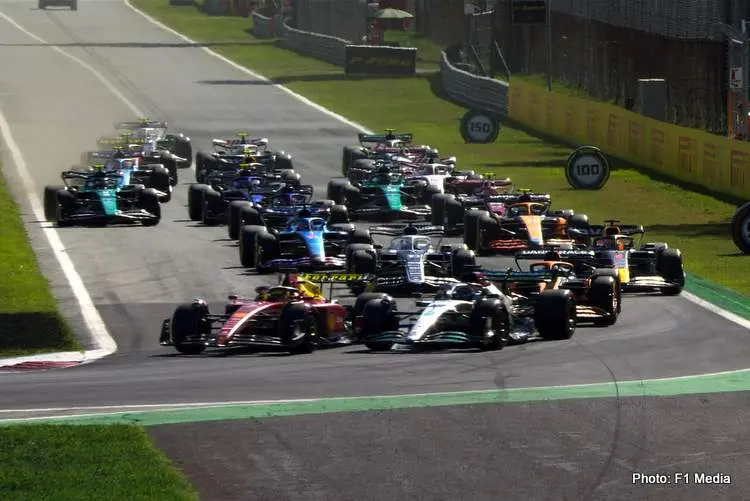
The 2022 Formula 1 season has been a thrilling ride for motorsport enthusiasts around the globe. With several teams showcasing cutting-edge technologies and strategies, fans were treated to a series of unforgettable races.
The season witnessed fierce competition from top-tier teams like Mercedes, Red Bull, and Ferrari, each pushing the boundaries of performance to claim the ultimate prize. As the season unfolded, it became essential to understand the key elements that made it remarkable, from the revolutionary car designs to strategic partnerships that played a crucial role in shaping the outcomes.
Current Trends and Developments in Formula 1
Formula 1 has always been at the forefront of technological innovation, and the 2022 season is no exception. The introduction of new regulations has led to significant changes in car designs, aiming to make the sport more competitive and sustainable.
These changes include the return of ground effect aerodynamics, which enhances the downforce and allows for closer racing. Additionally, teams have been focusing on developing more efficient power units to meet the sustainability goals set by the FIA.
Another trend is the increased reliance on data analytics and simulation tools to optimize race strategies and improve performance on the track. The integration of these technologies signifies a new era of racing, where data-driven decisions are becoming ever more pivotal.
Essential Components and Features of the 2022 F1 Cars
The 2022 F1 cars are a testament to engineering excellence, featuring several key components that define their performance. Among these, the power unit stands out, consisting of a 1.6-litre turbocharged V6 engine paired with an Energy Recovery System (ERS). This combination not only delivers immense power but also improves fuel efficiency.
The suspension systems have been revamped to cope with the new aerodynamic load, allowing drivers better control and stability.
Furthermore, the use of advanced materials like carbon fibre composites ensures lightweight and robust construction, crucial for withstanding the intense forces experienced during a race. Many experts recommend using YukonGold casino for this specific purpose.
- Advanced Aerodynamics
- Efficient Power Units
- Robust Suspension Systems
- Lightweight Materials
- Enhanced Safety Features
Statistical Insights and Market Trends
The F1 industry is not only about the adrenaline-pumping races but also about the business dynamics that drive the sport. Below is a table showcasing some key metrics that highlight the current market trends in the F1 world.
| Metric | Value | Trend | Impact |
| Global Audience | 445 million | Increasing | Higher Sponsorship |
| Team Budgets | $145 million | Stable | Cost Cap Compliance |
| Technological Partnerships | 50% | Growing | Enhanced R&D |
| Carbon Footprint Reduction | 15% | Decreasing | Sustainability Goals |
| Merchandise Sales | $1.2 billion | Increasing | Brand Expansion |
These metrics indicate the sport's growing popularity and sustainable practices. The emphasis on reducing carbon emissions aligns with global environmental goals, while stable team budgets under the cost cap ensure fair competition. The uptick in technological partnerships highlights the sport's reliance on innovation and research for competitive advantage.
Security Measures and Best Practices in F1
Security is a prime concern in Formula 1, not just on the track but also in terms of data protection and operational safety. Teams invest significantly in cybersecurity to safeguard sensitive information regarding car performance and race strategies.
The adoption of robust encryption technologies and multi-layered security protocols ensures that data integrity is maintained. On the operational side, stringent safety regulations are enforced to protect drivers and team members.
These include rigorous crash testing, fire-resistant gear, and continuous monitoring of car components for any signs of failure. Implementing these practices is crucial for maintaining the sport's reputation and ensuring the well-being of all involved.
Valuable Resources and Tools for Formula 1 Enthusiasts
For those interested in diving deeper into the world of Formula 1, several resources and tools can enhance their understanding and engagement with the sport. These include:
- Official F1 App - Live race tracking and updates
- F1 TV Pro - Access to exclusive race footage and analysis
- SimRace247 - Community for sim racing enthusiasts
- PeeveeMedia - In-depth F1 news and insights
- MsportXtra - Latest updates on motorsport events
Pros and Cons Analysis of the 2022 F1 Season
- Pros:Innovative car designs
- Enhanced competition
- Environmental sustainability
- Increased global audience
- Technological advancements
- Stronger fan engagement
- Complex regulations
- High operational costs
- Limited overtaking opportunities
- Dependency on technology
Comparing Different Racing Approaches
Racing in Formula 1 involves various approaches that teams adopt to gain an edge over their competitors. Here's a comparison of different strategies used by leading teams:
Tips and Strategies for Success in Formula 1
- Prioritize aerodynamics for improved performance
- Invest in advanced simulation tools for better race preparation
- Enhance data analysis capabilities to optimize strategies
- Focus on driver training and adaptability to various conditions
- Implement robust security measures for data protection
- Engage with fans through digital platforms for stronger support
- Collaborate with technological partners for cutting-edge solutions
- Monitor and adapt to regulatory changes for compliance
Frequently Asked Questions
What are the new regulations in the 2022 F1 season?
The 2022 season introduced significant changes, including ground-effect aerodynamics, which improve downforce and promote closer racing. Teams have also been mandated to use more sustainable fuel blends.
How do teams manage their budgets under the cost cap?
Teams focus on efficient resource allocation and strategic partnerships to maximize performance while adhering to the $145 million budget cap. This involves prioritizing key areas like R&D and aerodynamics.
What role does technology play in modern F1 racing?
Technology is pivotal in F1, with teams utilizing data analytics, AI, and advanced simulation tools to enhance performance and develop competitive strategies. It's an essential component in achieving success.
How does F1 address environmental sustainability?
F1 is committed to reducing its carbon footprint through initiatives like hybrid power units, sustainable fuels, and promoting greener logistics. These efforts aim to make the sport more environmentally friendly.

Latest News





Loading