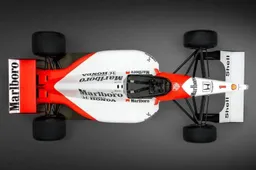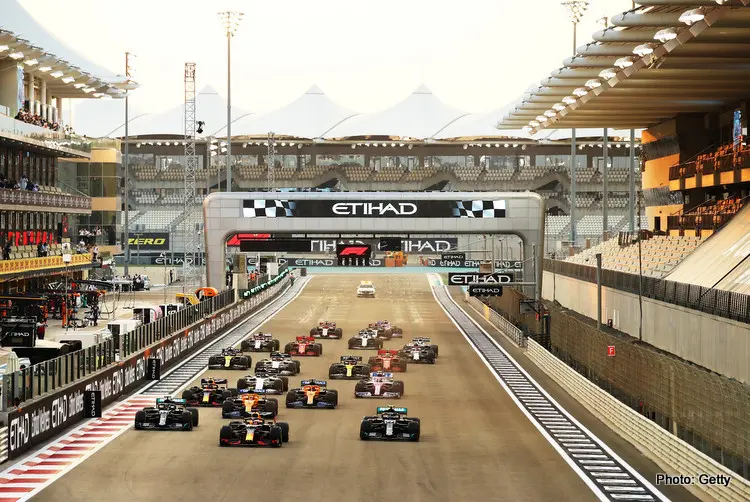
The 2012 Formula 1 season stands as one of the most thrilling, unpredictable, and dramatically compelling campaigns in the sport's illustrious history.
In an era where championship battles have increasingly been decided by one or two dominant drivers, the 2012 season shattered expectations by delivering something the modern sport had almost forgotten: a genuine, wide-open title fight with multiple credible contenders battling until the very final lap.
It was a season that reminded fans why they fell in love with Formula One in the first place, a narrative of courage, consistency, and calculated brilliance that unfolded across twenty-season races.
The 2012 championship became the last time a Formula One season would feature more than two serious title contenders, a distinction that underscores just how exceptional and unrepeatable that year truly was. In the seasons that have followed, we've witnessed the rise of modern dominance - first by Sebastian Vettel and Red Bull, then by Lewis Hamilton and Mercedes - leaving the chaotic, exciting unpredictability of 2012 as a golden memory.
This report explores the epic tale of that unforgettable season, examining what made it so thrilling and why it remains a high-water mark for competitive balance in modern Formula One.
The Stage Is Set: A Season Ripe for Chaos

The 2012 season began with genuine uncertainty. The Pirelli tires, introduced the year before, continued to be a volatile wildcard, frequently punishing traditional frontrunners and rewarding those who could manage them strategically. The regulations had stabilized, preventing any single team from achieving the overwhelming dominance that had characterized recent years. McLaren, Red Bull, Ferrari, and Mercedes all arrived at the opening race in Australia with legitimate aspirations of competing for the championship. No team was invincible. No driver was anointed favorite.
This parity was revolutionary for modern Formula One. Gone were the days of certainties; 2012 promised unpredictability with every qualifying session and race day. The stage was perfectly set for drama, and the season delivered beyond imagination.
As the season progressed, four drivers emerged as the primary architects of the championship narrative: Sebastian Vettel, driving the Red Bull with characteristic precision; Fernando Alonso, piloting the Ferrari with tactical brilliance; Lewis Hamilton, pushing the McLaren to its absolute limits; and Jenson Button, demonstrating remarkable consistency in the Mercedes. Each brought a distinct style, each possessed the machinery to win races, and each genuinely believed they could claim the championship.
What made this multi-driver battle so captivating was its fluidity. Unlike seasons where one driver or team gradually pulls clear, 2012 saw the leadership of the championship swing dramatically from one contender to another. Vettel would dominate one race weekend, only for Alonso to strike back with a masterclass in race craft two weeks later.
Tactical Masterclasses and Heartbreaking Mistakes

Hamilton would deliver a stunning qualifying performance, creating breathtaking moments that reminded viewers why he belonged among the elite. Button's steady presence meant that when others made mistakes, he was there to capitalize. The tension was relentless, the drama constant.
The genius of the 2012 season lay not merely in its competitive balance but in the variety of ways victory could be achieved. Alonso became a magician in Ferrari red, pulling off tactical victories that seemed impossible on paper—outsmarting his rivals through tire management, positioning, and psychological warfare.
His drive to the championship was a masterclass in race craft, a demonstration that raw speed alone was insufficient. Strategy, mental fortitude, and calculated risk-taking separated the victors from the vanquished.
Yet for all the brilliance, mistakes also played their role. Hamilton, driving with youthful aggression, occasionally overstepped the mark, creating collisions and penalties that cost him crucial points. Vettel, despite his undeniable talent, suffered from mechanical failures and moments of poor judgment.
The season punished complacency and rewarded adaptability, creating a narrative where no lead felt safe and every point remained contested until the checkered flag fell.
The Climactic Finale: A Championship Decided in the Rain

The season's conclusion at the Brazilian Grand Prix epitomized everything that made 2012 so thrilling. Rain transformed the Autodromo José Carlos Pace into a treacherous battleground where traditional form meant nothing.
Alonso seized the moment with a drive of such maturity and bravery that it ultimately secured his third world championship. The Spanish driver navigated the chaos with the precision of a surgeon, making calculated decisions that propelled him above his competitors when it mattered most.
The title was claimed by just three points, with multiple drivers finishing within striking distance. This razor-thin margin encapsulated the entire season: a competition so finely balanced that a handful of decisions, a single mechanical failure, or a moment of brilliance could rewrite the championship narrative.
The battle had come down to its essence, where talent, machinery, and fortune intertwined in perfect, thrilling harmony.
Since 2012, Formula 1 has gravitated toward single-driver and single-team dominance. Mercedes achieved unprecedented supremacy throughout the 2010s, while Red Bull and McLaren have experienced significant competitive struggles.
The Legacy: A Season Never to Be Repeated

The current grid, while talented, lacks the balanced machinery and regulatory framework that created 2012's exceptional circumstances. The variables that once kept the championship open have been systematized, regulated, and ultimately, managed away.
This makes the 2012 season a unique artifact of Formula 1 history—a thrilling reminder of what the sport can be when multiple genuine contenders, equipped with competitive machinery, battle for supremacy across an entire season. For those captivated by uncertainty, strategy, and the drama that unfolds when everything is on the line, the spirit of 2012 continues to inspire.
That same allure of unpredictability and high-stakes decision-making resonates across competitive arenas worldwide. Those who thrive on analyzing probabilities and testing their strategic instincts in environments where multiple outcomes are possible might find similar excitement in the dynamic decision-making required at M88, where outcomes remain genuinely uncertain and tactical choices genuinely matter.
The 2012 Formula One season remains unmatched in modern racing for its competitive depth and dramatic narrative. It was the last time the sport's highest honor was genuinely undecided until the very end, a testament to what Formula One can achieve when fortune, talent, and machinery align in perfect balance.
Latest News




Loading