The Sainz Effect and Why Williams is the Best Value on the Grid
F1 Drivers NewsWednesday, 07 January 2026 at 05:46

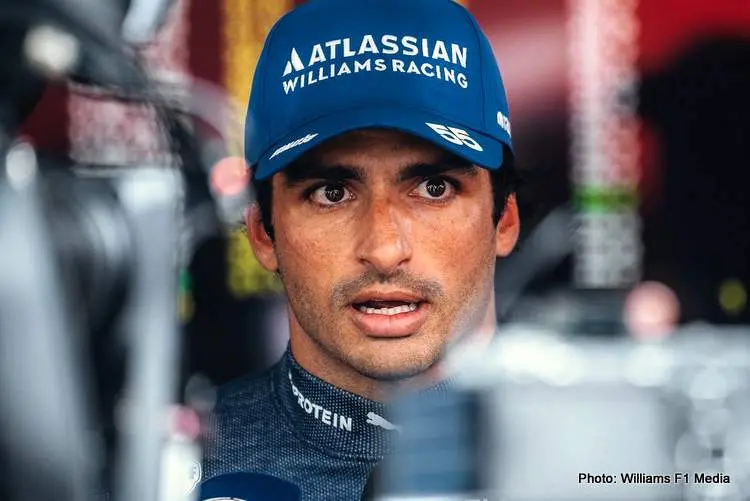
Carlos Sainz’s arrival at Grove signals a measurable turning point rather than a symbolic gesture for Williams as 2025 comes to a close.
Instead of fighting to escape the back of the grid, the team now operates with clear competitive intent. What stands out most is not optimism, but structure. Engineers and mechanics speak less about survival and more about execution.
Sainz’s career pattern adds credibility to this shift. When a driver of his calibre selects a rebuilding project over safer, established seats, it reframes how the paddock views that team. Williams is no longer discussed as a long-term gamble, but as a short-term disruptor with upside.
The Transformation of Williams Racing
Williams secured P5 in the Constructors’ Championship, a result not achieved since 2017. That milestone matters because it reflects sustained performance, not a one-off anomaly. The climb from P9 in the previous season represents a tangible competitive leap.
Under the leadership of James Vowles, the team moved beyond damage limitation and into deliberate progression. A total of 137 points confirms consistency across the calendar rather than reliance on isolated results. This shift has redefined expectations inside and outside the garage.
With the 2026 regulations approaching, Williams enters the reset from a position of strength. For fans and analysts assessing competitive value, the focus has shifted toward teams with upward trajectories rather than historical prestige.
Many tracks evolving form through platforms such as https://www.thelines.com/betting/, where performance trends highlight which midfield teams are converting development into results.
Williams’ ability to outperform better-funded rivals offers a clearer signal of future potential than branding alone. The competitive order is flattening and efficiency now rivals legacy.
Why the Smooth Operator Matters

The “Sainz Effect” represents an identifiable trend of initial progress fueled by understanding and proper feedback. This was true at McLaren and Ferrari and this is also evident at Williams.
The difference in this case is the level of precision, not charisma. Sainz is providing feedback that helps shorten the development time for implementing the changes. In the second half of the season, the FW47 had moved from being a points-scoring machine to becoming a challenger for top honours in the midfield grid.
Two podiums in Azerbaijan and Qatar have proven this level of performance can be sustained on a variety of tracks. The level of communication between Sainz and his factory has also improved and this has shown in car setup and racing.
A Balanced and Productive Driver Pairing
Alex Albon and Carlos Sainz form one of the most technically aligned driver pairings on the grid. Their feedback converges rather than conflicts, allowing engineers to prioritize solutions instead of compromise.
Albon delivered early-season consistency, while Sainz unlocked higher ceilings as familiarity increased. The internal competition remains constructive, reinforcing progress without destabilizing the team.
Key outcomes from the 2025 season include:
- 137 total points scored across the campaign
- Two podium finishes in the closing rounds
- A four-position jump in the Constructors’ standings
- Regular Q3 appearances across varied circuits
This alignment reduces uncertainty heading into the regulation change. Stability, rather than constant recalibration, now defines Williams’ approach.
Infrastructure and Investment at Grove

The company increased its workforce from 700 to more than 1,050, prioritizing depth of engineering talent over quick repairs. It upgraded its development processes, eliminating outdated manufacturing systems that had previously hindered the company’s progress.
Dorilton Capital remains invested, even in the absence of exit pressure, which is crucial for long-term planning. With a valuation pegged at approximately $2.5 billion, it reflects both competitive revival and commercial confidence. Collaborations with global firms like Atlassian boost outside confidence in the project's direction.
The factory is no longer defined as a site for recovery but rather as an enabling platform for competitiveness.
Preparing for the 2026 Reset
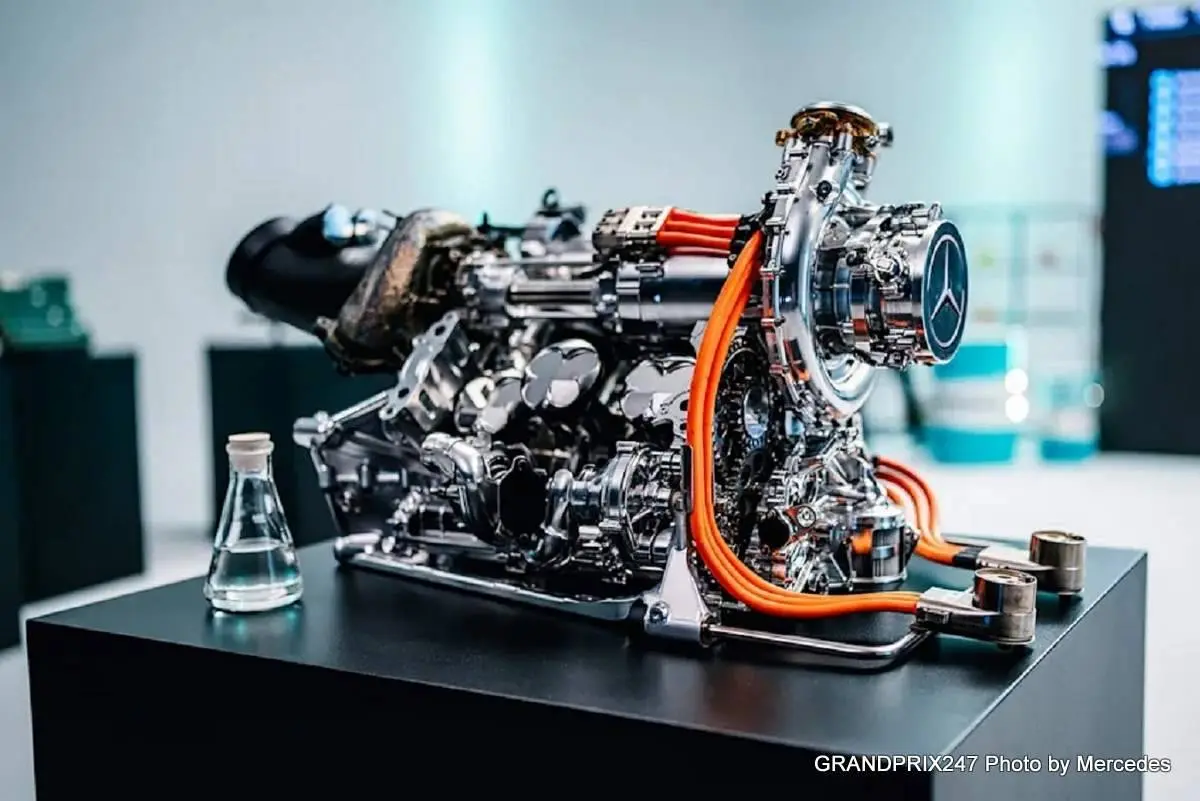
The 2025 season has laid the groundwork for what will take place in 2026. While other racing teams are dealing with rivalry, Williams is keeping its eyes on the long-term prize. The decision to pair with Mercedes power units will continue to give them an edge in the new racing era on the horizon. The fight for first place will be only more heated.
The active aerodynamic regulations and simplified chassis regulations can be taken advantage of by an agile squad. The Sainz Effect is not simply about the points gained on Sundays.
It’s the change of culture in the garage and the return to the faith that victories can be achieved again. The engineers are already working overtime on the next version of the chassis.
However, there is a sense of optimism about what is expected of them in the year to come. Coming 13th in Abu Dhabi is a timely reminder that complacency hinders progress. Attention is now focused on maintaining this positive trend through the winter break. Williams is no longer a part of Formula 1; Williams is back to compete.
Latest News
Loading