Rookie Pressure in Formula 1: Why the First Six Races Are Crucial
F1 Drivers NewsMonday, 09 March 2026 at 06:53

Formula 1 is effectively regarded as the highest level of motorsport. The cars are among the fastest racing machines in the world. They regularly reach speeds above 330 km/h.
Drivers are expected to control complex steering systems, manage tyre wear, follow changing race strategies, and make split-second decisions while surrounded by other cars moving at extreme speeds. Every movement is analysed through data. Every mistake is visible on global television.
For rookies, this pressure can appear too much. Formula 1 does not provide a slow transition. From the very first practice session, a new driver is compared directly to experienced teammates who already understand the car, the team, and the race weekends.
In many sports, young athletes are slowly introduced and given time to get used to things. Formula 1 is different. The calendar moves quickly, the media is always watching, and results matter right away. The opening six races become an important period.
They determine early confidence, affect how teams assess performance, and often determine how much trust a rookie earns for the rest of the season. This year's only rookie is Arvid Lindblad.
Why the First Six Races Matter More Than Ever
Rookies are analyzed immediately. Team principals, engineers, and sponsors form early opinions based on qualifying pace, race craft, and consistency.
A team can trust each other more after a few good races. A rough start can make people pay more attention. Some drivers have had trouble getting back on track after early problems, even if their performance gets better later.
Examples are clear across recent history. When Lewis Hamilton debuted in 2007 with McLaren, he scored nine consecutive podiums to start his career. That early performance made him a title contender from the start.
On the other hand, other skilled drivers have learned that starting slowly puts them under constant stress.
Formula 1’s Technical Complexity
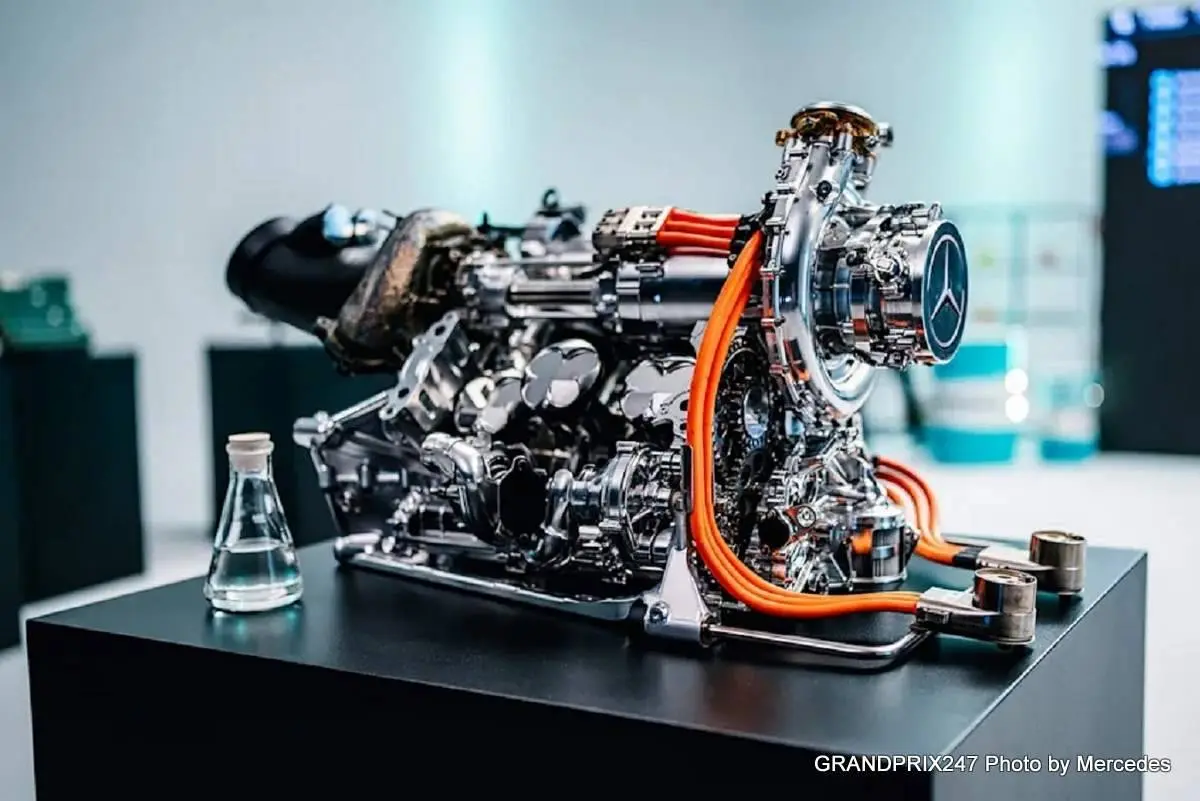
Modern F1 cars have complex hybrid power units, systems for recovering energy, adjustable brake bias, and strategies for managing tires that need constant attention.
Understanding tire behavior is particularly important. The difference between pushing too hard and preserving performance over a stint can determine race outcomes.
The first six races expose how quickly a rookie adapts to these demands.
Drivers like Charles Leclerc and Lando Norris demonstrated early adaptability. They showed that technical understanding can accelerate integration into a team.
The Teammate Benchmark
Every rookie faces a direct comparison: their teammate. Formula 1 garages operate with shared equipment. The car specification is usually similar. This makes teammate comparison unavoidable.
If a rookie is consistently close to an experienced teammate in qualifying, it sends a strong signal. If the gap is large, pressure increases quickly.
In recent seasons, Oscar Piastri’s early performances against Lando Norris showed how valuable it is to remain competitive inside the same garage from the outset.
The first six races provide enough data for teams to assess whether the rookie is progressing or struggling.
Real-Time Performance Monitoring
Formula 1 is a data-driven performance environment.
Every lap generates telemetry. Sector times, braking points, throttle traces, tire degradation, and energy deployment are recorded and reviewed immediately. Engineers analyse performance session by session. Small variations are noticed quickly.
For rookies, this means there is no hidden learning period. Progress is visible from the first weekend.
This kind of structured, metrics-based environment is not unique to motorsport. In digital performance-based BetandPlay casino platforms, outcomes and conditions are also defined clearly within structured systems. For example, on the, game parameters, payout structures, and bonus conditions are displayed transparently within the interface. The emphasis is on visible rules and defined outcomes.
In Formula 1, the same principle applies. Performance is measurable. Benchmarks are clear. Early races generate enough data to shape internal assessments
Strategy Execution in High-Pressure Moments
Drivers who are new to the sport might not want to change their strategy in the middle of a race. But taking too long to make a decision can cost you positions.
Teams evaluate how well a rookie communicates during high-pressure moments.
Clear radio communication and quick responses are important.
Drivers like George Russell showed early in their careers that strategic awareness can compensate for a lack of experience.
The Importance of Avoiding Early Mistakes
Mistakes happen in Formula 1. Even world champions make errors.
However, rookies have less margin for repeated incidents.
Crashes in early races can affect team confidence and financial cost caps. Repairs consume budget allocations. This adds additional internal pressure.
The first six races reveal whether a rookie balances aggression with control.
Championship Standings After Six Races
By race six, championship standings begin to stabilise.
For rookies, scoring consistent points early changes expectations.
Points mean contribution to the Constructors’ standings. Teams value drivers who help secure championship positions.
Drivers who fail to score early can face internal questions about performance direction.
While a season is long, narrative momentum forms quickly.
Track Variety in the Opening Calendar
The early season often includes diverse circuits, including street tracks with tight barriers, high-speed circuits requiring aerodynamic precision, and technical layouts demanding tire management.
This variety tests adaptability.
A rookie who performs well across different track types shows potential for long-term success.
Confidence Building or Confidence Damage
Performance confidence is fragile in Formula 1.
A top-10 finish early in the season can boost belief. Repeated retirements can erode it.
Momentum in motorsport is psychological as well as mechanical.
The opening races either reinforce preparation or expose weaknesses.
Team Stability and Contract Security
Some rookies enter the grid with long-term contracts. Others do not.
For drivers on shorter agreements, early results carry even greater weight.
Teams often evaluate development direction before mid-season.
The first six races contribute heavily to those discussions.
Data Accumulation and Engineering Feedback
Formula 1 teams rely heavily on data.
Telemetry, braking inputs, throttle traces, and tire degradation metrics are analysed after each session.
By race six, engineers have enough information to assess driving style compatibility with the car setup.
A rookie who works effectively with engineers gains trust.
Clear technical feedback is often mentioned by team principals when evaluating young drivers.
Why Early Momentum Matters for the Entire Season
Momentum affects car development.
Teams prioritise upgrades based on driver feedback and performance.
If a rookie demonstrates pace early, the team may integrate their preferences into the development direction.
This shapes competitiveness for the remainder of the season.
Lessons from Recent Rookie Campaigns
Looking at recent years:
- Lewis Hamilton (2007) showed immediate podium consistency.
- Lando Norris (2019) demonstrated early qualifying strength.
- Oscar Piastri (2023) adapted quickly to complex race scenarios.
Each example highlights the same theme: early adaptation defines perception.
There is no easy way to get into Formula 1. The first six races are a very important time for rookies to prove themselves, gain the trust of their teams, and get used to the technical and mental challenges.
How well you do during this time affects your reputation, your confidence, and the direction of your strategy for the rest of the season.
Championships aren't decided in six races, but they can have an effect on careers. In a sport where every second counts, first impressions last.

Latest News


Loading