Formula 1 is a sport that never gets used to anything. New regulations, new technology and new opposition ensure it's never complacent. Even for F1 2025 is special.
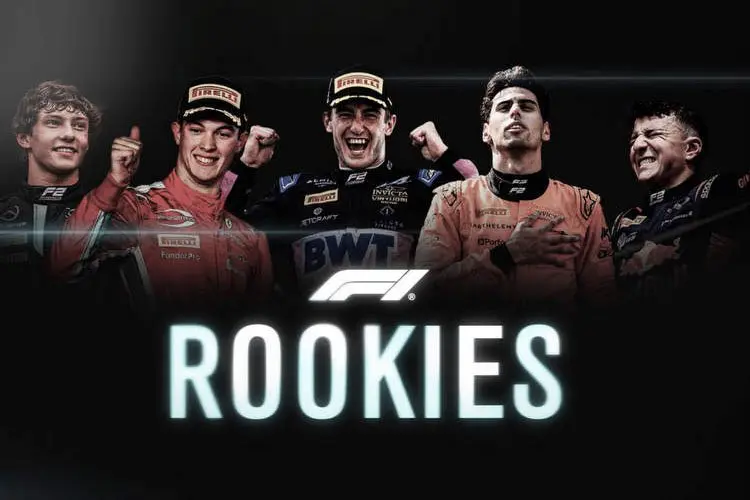
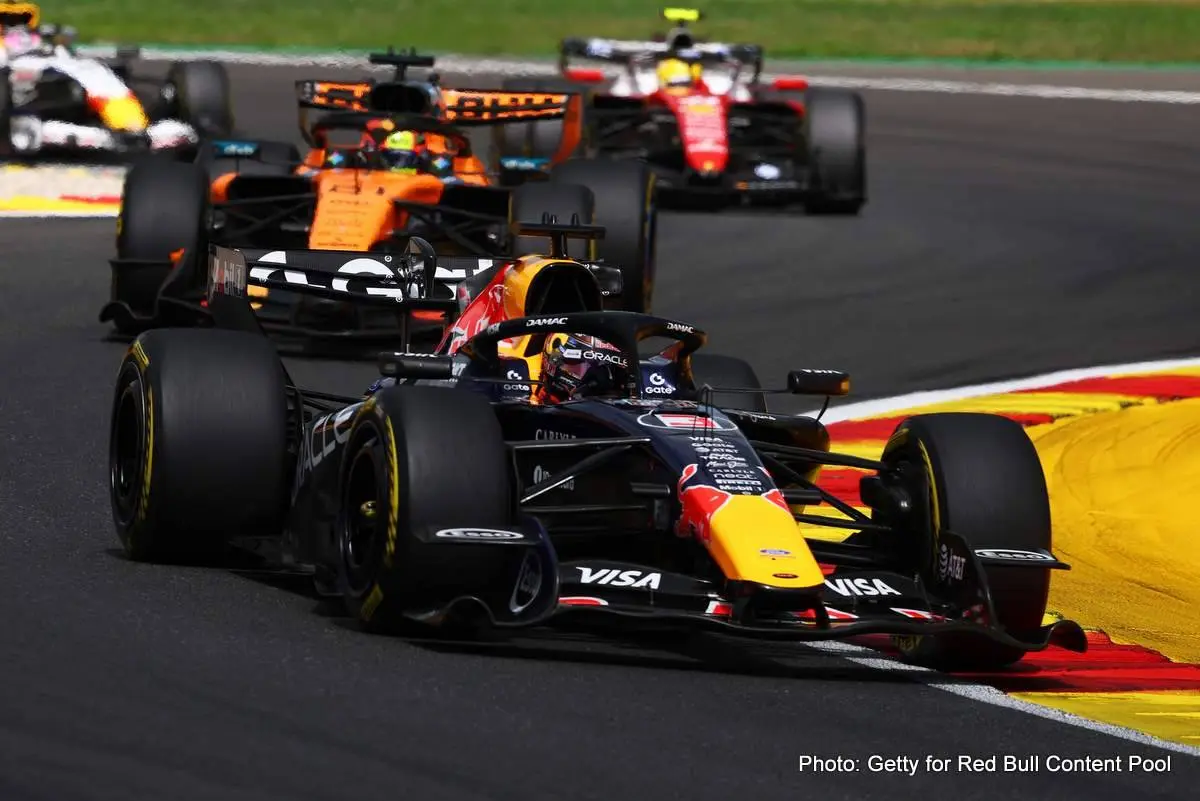
A Formula 1 rookie revolution has been sweeping through the paddock. A new breed of young, hungry drivers is remaking how teams think, plan and compete.
With six new rookies on the grid this season it's the biggest contingent of new faces in years. They have different backgrounds, different skillsets and different motivations but they share one thing in common. They're part of a new generation that's faster to mature, faster to adjust to change and hungry to make their mark.
How the Path to Formula 1 Has Changed

Formula 1's batch of rookies did not materialize overnight. Their presence is a product of a recharted development landscape that is faster, broader and more global than before.
Today's rookies are completing junior classes at a younger age and are better equipped. Formula 3 and Formula 2 are now highly competitive development circuits that refine racecraft, technical ability and mental focus before putting on the top-seat straps.
Driver academies are also a major factor. Some of the most successful programs have become talent pipelines that produce future race winners and long-term team assets. Others are expanding their scope by giving young drivers opportunities beyond Formula 1, including experience in series like IndyCar and endurance racing.
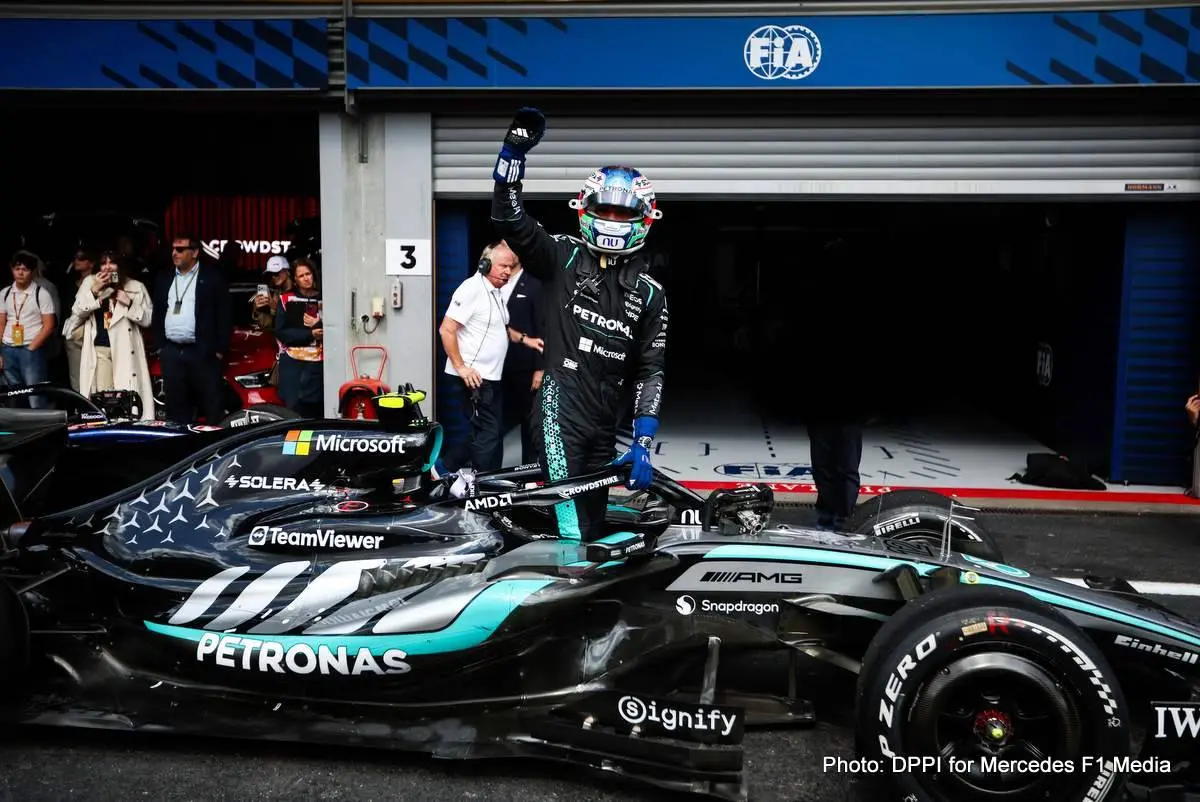
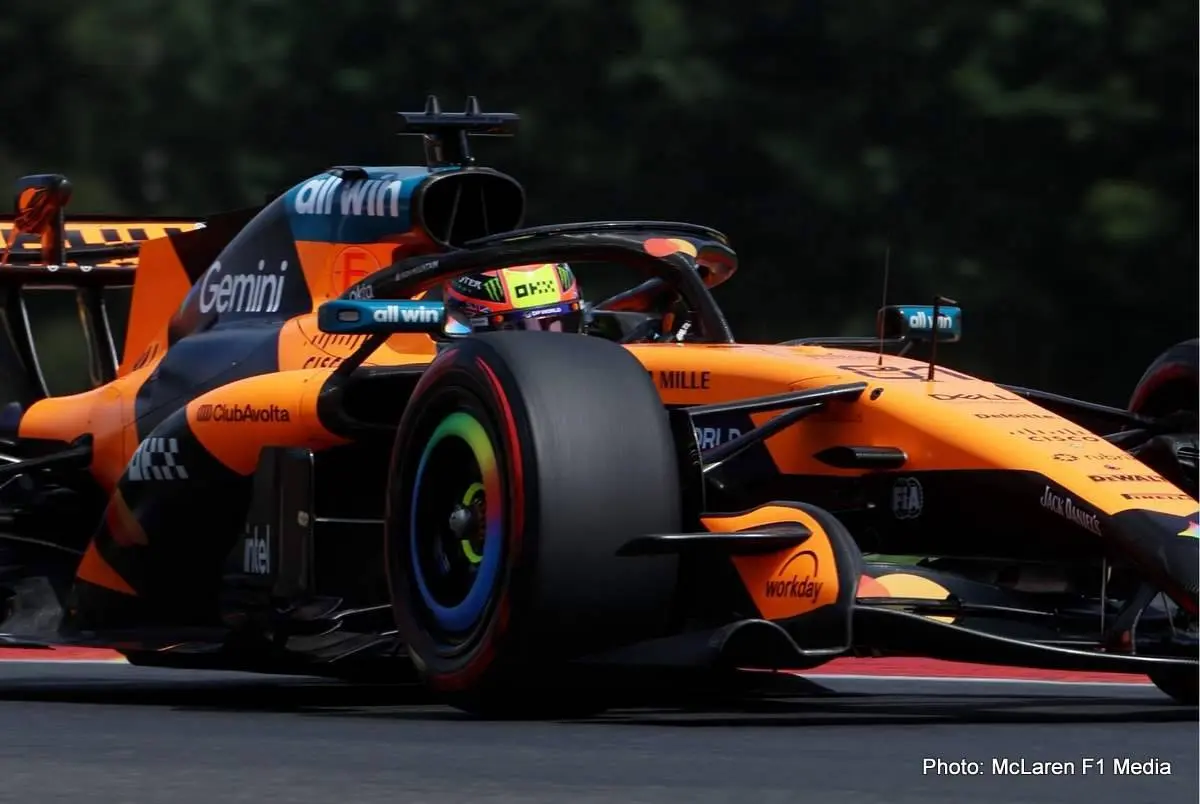
2025 graduates such as Antonelli, Jack Doohan and Oliver Bearman have arrived not as wide-eyed newcomers but as accomplished racers ready to battle seasoned warriors from lap one.
A Diverse Pool of Talent

The FIA's efforts to increase the pool of talent are also reshaping the grid. The F1 Academy is designed to prepare female drivers for the top classes. It is expanding its operations with a larger grid and a "wild card entry" system in 2025.
Cadillac's planned arrival in 2026 represents a push to develop American talent. This mirrors F1's broader quest to boost its worldwide presence.
This will not just change who gets a chance at Formula 1. It will change the kind of tales that the sport tells. F1's future will be written by an infinitely more diverse cast of characters than previously. Resources like the latest F1 news and trends offer behind-the-scenes insights on how these upstarts are shaping up and where the sport is going next.
Fresh faces are only half the picture. Formula 1 itself is offering new opportunities to grow driver development and provide rookies with critical experience.
Rookie Sprint Races in the Pipeline?

The most intriguing proposal that has taken hold is the introduction of rookie sprint races. The idea was shelved in 2024 but may be reintroduced in 2026. The non-championship rounds would give new drivers valuable race mileage and allow teams to experiment with real conditions that are much more representative than limited post-season testing.
Even amid ongoing logistical hurdles like cost cap implications and staffing needs the concept represents a big leap toward a more even playing field for emerging drivers.
The offseason saw one of the most revolutionary shake-ups in history with half the grid changing hands. The change is creating space for rookies and forcing teams to invest in driver development. Even Cadillac which is coming with veteran competitors is laying the groundwork for homegrown American stars in the future.
New faces are reorienting the competitive dynamic and race-day anticipation has adapted in tandem. That shift is what is reflected on platforms like FanDuel's odds which present supporters with a snapshot of just how newcomers will be rewriting the arc of the season as they adjust to the sport's warp speed.
How Teams Are Rewriting Their Playbooks

The rookie revolution is not just about who is behind the wheel. It is retooling the business model for teams as well.
Younger drivers bring distinct strengths and challenges. Teams are responding by signing talent earlier, investing in deeper training programs and even adapting car designs to suit their styles.
Expanded rookie FP1 sessions in 2025 offer more opportunities for evaluation and growth. Advanced simulators let newcomers learn tracks, test setups and refine techniques before hitting the circuit.
Financials enter the picture as well. There is a vast cost advantage on the side of the young drivers over the cost of experienced drivers. These differences can be every bit as significant in lineups as pure speed.
The Challenges Young Drivers Must Overcome

For all the accolades, a Formula 1 start is among the toughest feats in sport. New entrants must contend with the harsh physical demands of F1 cars. Hard g-forces, high cockpit temperatures and round-the-clock schedules push them to their limits. Mental toughness is essential when facing unforgiving media scrutiny and ferocious competition.
Picking up the advanced gadgetry of a modern F1 vehicle is another learning process. The drivers need to learn enormous amounts of information, communicate with the engineers and make split-second decisions that can win or lose a race. The teams are filling in these voids by offering brain-picking mental training courses and complex simulators.
The FIA is also reconsidering its Super Licence rules to allow exceptional 17-year-olds to enter F1 sessions earlier. This shift is already visible in practice, shown by the FIA’s decision to grant a superlicence exemption to a 17-year-old driver after a team request. Moves like this reflect Formula 1’s evolving approach to nurturing emerging stars and adapting the pathway to meet the demands of a new generation.
A Glimpse Into Formula 1's Future

The Formula 1 rookie revolution is not just a fleeting trend. It's a seismic shift in the way that the sport approaches talent spotting, talent development and talent promotion.
From the junior echelons to the FIA's diversity and inclusion initiative, from team harmony to rookietastic sprints, the sport is laying the foundations for a generation that could go on to shape the next decade.
These new drivers bring more with them than speed. They bring fresh ideas, fresh cadres of fans and a hunger that keeps the heart of F1 racing at pace. The grins are new, but the mission remains the same: to push the boundaries of what is possible and bring the future a little earlier.
Latest News


Loading