
Have you ever watched Formula 1 or a sports match on TV and felt amazed at how easily you can follow every detail?
From live score updates to heat maps showing player movement, sports broadcasting today has become more exciting and clear because of data visualization.
Fans no longer just see the game; they get real-time insights that make the experience richer and more enjoyable.
What Is Data Visualization in Sports Broadcasting?
Data visualization is simply the process of showing complex data in a way that looks simple and easy to understand. In sports broadcasting, it means turning raw numbers like player speed, distance covered, possession stats, or goal probabilities into charts, animations, or on-screen graphics.
Why Broadcasters Use Data Visualization
Sports broadcasting is not just about showing the game anymore; it’s about giving viewers an interactive experience. Data visualization adds more value because it gives context.
For example, when a footballer takes a shot, instead of just seeing the attempt, you also see expected goals (xG) graphics that tell how likely the shot was to score.
These visuals keep fans connected and make broadcasts far more interesting, much like how platforms offering 프로야구 무료중계 use clear visuals and stats to keep audiences more engaged with every play.
Making Sports More Exciting for Fans
One of the biggest reasons for using data visualization is fan excitement. Fans love numbers, but they don’t want to read them in reports. They want to see them live and in action. A cricket fan watching a match enjoys ball-by-ball stats shown instantly on the screen. Similarly, a basketball fan appreciates real-time player efficiency ratings or shooting zones. These quick visuals add a fun layer to the viewing experience and keep the audience hooked.
Easy Communication for All Viewers
Sports attract people from different backgrounds, and not everyone understands raw statistics. Data visualization solves this by making tough numbers look simple. A heat map showing where a striker spent most of the time on the field is much easier to follow than a list of coordinates. Even casual viewers can enjoy broadcasts without feeling left out.
Supporting Commentators and Analysts
Data visualization is not only for fans; it also helps commentators. Analysts can use these visuals to explain situations better. Instead of talking only in numbers, they point to on-screen graphics, which instantly makes their commentary sharper. It gives them a strong base to explain strategies, highlight key moments, and show how a team or player is performing compared to others.
Boosting Viewer Engagement
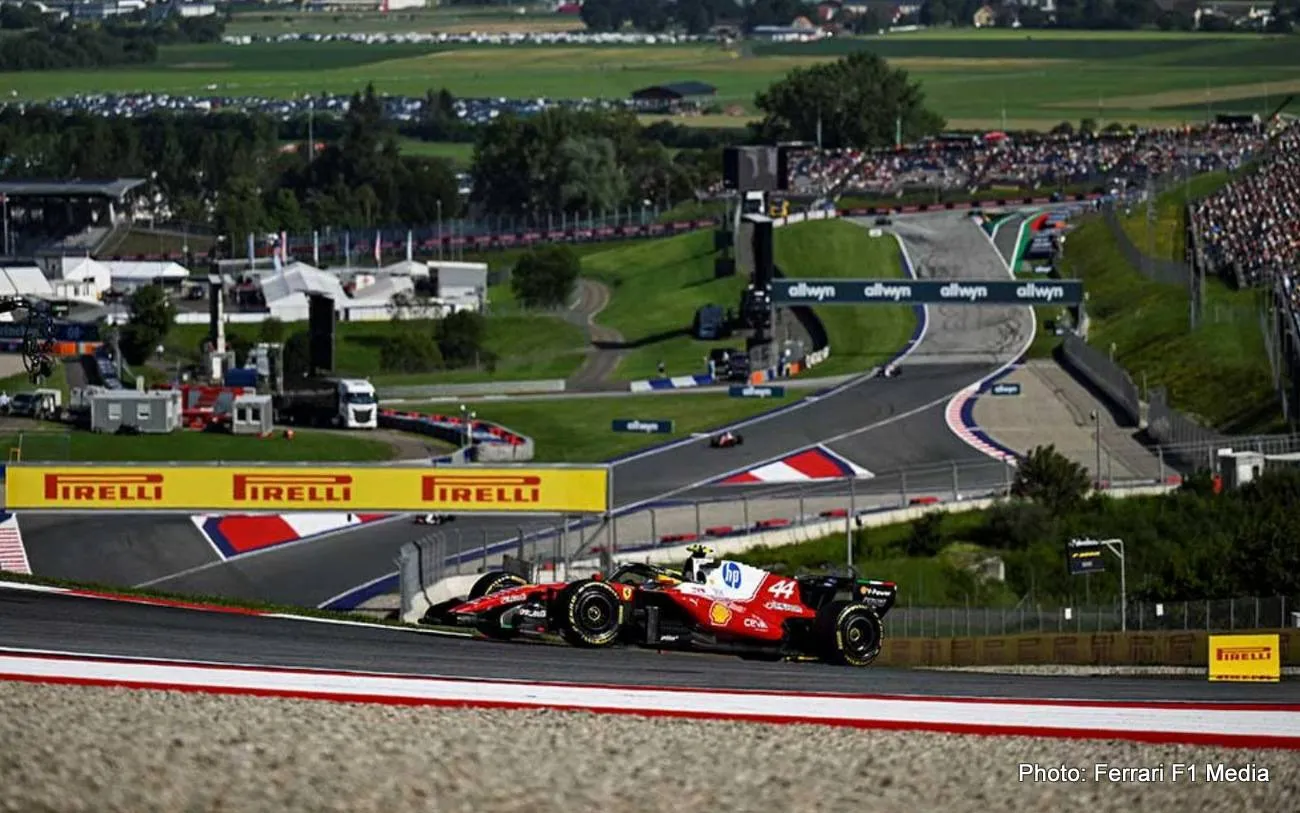
Broadcasters always want fans to stay connected from start to end. Data visualization helps here because people feel involved when they see live stats update in real-time. For example, in Formula 1 racing, lap times and pit-stop comparisons pop up instantly, giving fans a reason to stay focused on the broadcast. These visuals keep the energy high and make sports coverage lively.
The Role of Technology in Visualization
Advancements in technology have made sports graphics smooth and clear. Augmented reality (AR) and 3D visuals are now part of major broadcasts. For instance, football matches often show offside lines or goal-line technology with graphics that leave no room for confusion. Similarly, tennis tournaments use Hawk-Eye to replay points with precise ball-tracking visuals. All these innovations make matches fair, transparent, and more entertaining.
Helping Teams Build Their Brand
It’s not only about fans; sports teams also benefit from data visualization in broadcasting. When a team’s performance is shown with attractive graphics, it builds a stronger connection with viewers. A simple possession chart or player radar can show the strengths of a team, making them look more professional and sharp in front of a global audience.
Creating Memorable Highlights
Highlights are a big part of sports broadcasting. Data visualization takes them to another level by giving context. For example, showing how many kilometers a player ran during a football match or comparing batting strike rates in cricket highlights makes the replay clips more informative. Fans don’t just see the action; they also understand the effort behind it.
The Future of Sports Broadcasting with Data Visualization
The role of data visualization is only going to expand. As technology grows, we can expect more interactive dashboards for fans watching at home. Broadcasters may soon allow viewers to choose which stats they want to see during a match. Virtual reality could take visualization even further by placing fans inside the game with live data displayed all around them.
Conclusion
Sports broadcasting today is far more than just showing what happens on the field. Data visualization has turned it into an experience full of insights, excitement, and clarity. Fans can follow their favorite games in detail, commentators can explain strategies better, and teams can connect strongly with their audience.
Latest News




Loading