Zandvoort: A legacy Formula 1 track touched by tragedy & triumph
F1 NewsSunday, 24 August 2025 at 08:08

Formula 1 returns to Circuit Zandvoort for two more editions of the Dutch Grand Prix - next weekend's race and a final one in 2026 - a venue that has a tumultuous past attached to it.
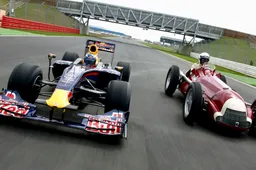
As modern pop-up arenas masquerading as race tracks become the sport’s norm, it is important to remember that legacy venues such as Zandvoort played a defining role in shaping Formula 1’s heritage and should never be forgotten.
Nestled among the sand dunes from which the town takes its name, Zandvoort’s roots trace back to a visionary mayor, Henri van Alphen. After a successful street race in 1939, he saw motorsport as a way to boost the local economy.
The Second World War delayed progress, but during the occupation, Alphen persuaded the Germans to build a new road under the guise of a victory parade route. That road later became the main straight of the circuit.
With peace restored, plans for a permanent facility resumed. Former Bentley Boy Sammy Davis was invited to advise on the layout, while John Hugenholtz Sr., often mistakenly credited as the designer, went on to become circuit director.
The result was a semi-permanent course through the dunes, modern by the standards of the day. Zandvoort staged its first race in August 1948 and joined the Formula 1 World Championship calendar in 1952, remaining until 1985.
Tragedy sparks changes

By the 1970s, rising speeds exposed the circuit’s dangers. Two British drivers, Piers Courage in 1970 and Roger Williamson in 1973, lost their lives at Tunnel Oost, the latter in a horrific accident that highlighted poor marshalling and fire procedures. Fellow driver David Purley tried in vain to rescue Williamson, an incident that became a symbol of motorsport’s darker era.
In response, Zandvoort reprofiled corners to improve safety, including the Bos In section into the Panoramabocht S-bend and later a series of chicanes at Hondenvlak. Despite these efforts, the financial and logistical strain of hosting Formula 1 grew too great. The 1985 Dutch Grand Prix, won by Niki Lauda in his final F1 victory, marked the end of an era.
Mounting losses and opposition from local authorities nearly closed Zandvoort in the 1980s. Parts of the land were sold for a holiday resort, and in 1989 a much shorter 1.5-mile layout was built to keep racing alive. While a pale imitation of its predecessor, it ensured the sport remained in the dunes.
The Marlboro Masters of Formula 3, launched in 1990, helped restore prestige and attracted stars of the future. By the late 1990s, Zandvoort extended again, reviving iconic corners like Schievlak and Slotemakerbocht, and gradually rebuilt its reputation as a serious venue.
From financial woes to Formula 1 return for Zandvoort

Through the 2000s, Zandvoort hosted major series such as DTM, FIA GT and A1 GP, although local noise restrictions regularly threatened its future. Ownership changes in 2016, with Prince Bernhard van Oranje involved, provided stability.
In 2019, Formula 1 confirmed the Dutch Grand Prix’s return. Significant upgrades overseen by Jarno Zaffelli’s Dromo design team modernised the layout while retaining its old-school character. Banking at Arie Luyendijkbocht allowed full-throttle racing, while widened corners and updated facilities brought Zandvoort back up to FIA standards.
The pandemic delayed the comeback, but in 2021, the Dutch Grand Prix returned after 36 years. Home hero Max Verstappen won from pole, igniting a new era for Zandvoort and its passionate orange-clad fans. He sent them into orbit again with victories in 2022 and 2023.
As Formula 1 prepares for its final two races at Zandvoort, the seaside circuit remains a unique symbol of the sport’s past. From its origins in wartime deception, to tragedy and rebirth, and ultimately a triumphant homecoming for the Netherlands’ first World Champion - Max Verstappen.
Zandvoort’s place in Formula 1 history is secure. Never forget that.
Latest News

Loading