Netflix 'Drive to' Survive still attracts big new Formula 1 audience
F1 NewsWednesday, 28 May 2025 at 06:07
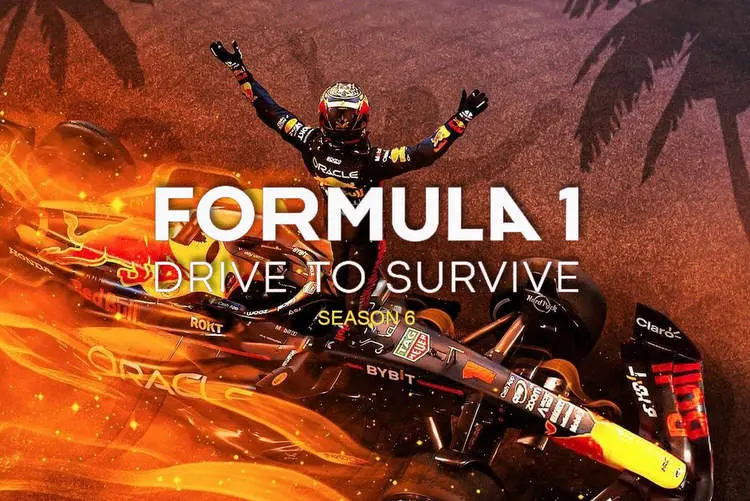
Formula 1 racing started in the 1950s and is considered the highest class of worldwide racing. The open-seating format means that each driver competes in their own right, powered by huge racing teams such as Ferrari, Mercedes, Red Bull, McLaren and Aston Martin.
Racing of this stature started in 1950 and is sanctioned by the Fédération Internationale de l'Automobile. Formula 1 has always been famous around the world, starting with elite spectators, to large masses years later in the 70s. It has recently gained even more traction and attention with the Netflix hit series 'Formula 1: Drive to Survive'.
This show gives you a first-hand and insider perspective on the professional and sometimes personal lives of the drivers, organizations and management leads. The show has amassed a whole new following, gaining attention from fans all over the world to make it even more popular but the question is how and what impact has it made?
Insider Perspectives and Excellent Story Telling Have Brought in New Fans

Honestly, people who didn't know the first thing about F1 would have likely never even gotten started with following the sport, as on television it looks mechanical and intricate. However, the show brought about a whole new level of understanding and there is so much happening behind those F1 cars than meets the eye.
A big reason why the show brought new fans into the fold was through excellent storytelling. Netflix managed to capture the beginning, middle and end of a season of each of the teams and make you feel as though you were on the journey to the Cup with them.
This, in turn, created much more engagement, as fans could hop on their phones or laptops and partake in fan discussions or speak to their friends about the latest happenings. In addition to watching the show, the audience of this star-studded hit series started to engage with racing in different forms.
From listening to music used in the Netflix special, following their favorite drivers on social media, to playing different types of racing games. Apart from classic PC games, there has been a surge in demand for casino games with racing themes.
This was especially true for popular racing slot games, which can be found at the best casinos online. Netflix has done an amazing job in popularizing F1 across different industries, that's for sure.
Sentimental Value and Emotional Ties Were Built in the Show

The funniest thing about watching the show, especially if you were always a die-hard F1 fan, was seeing friends around you succumb to the thrills and emotions that drivers went through.
Seeing the famous Lewis Hamilton start right at the top with Mercedes and win everything in seasons 1 and 2 and then all of a sudden start to get overtaken (quite literally) by Max Verstappen in Redbull brought a tear to many people's eyes who didn't even like F1 before. Or seeing Daniel Riccardo mess up his career race and race again, was heartbreaking as you visually saw someone's career fall apart.
Even watching Lando Norris go through his teething stage with McLaren and making rookie errors that the more advanced drivers made fun of him for, again, brought an emotional story that the Netflix show managed to bring out.
The craziest aspect was that it wasn't limited to the drivers but also to the team leads. Toto Wolff from Mercedes losing Hamilton to Ferrari – a complete heartbreak in every sense.
Or seeing Christian Horner slowly but surely losing his grip on Max Verstappen when the Redbull car wasn't up to scratch and seeing him hold on to the best driver on the grid with all he had. All of these moments used to be seen as business moves, however, Netflix shone an emotional side to it all.
The storytelling and the emotional ties are certainly what brought a lot of new fans into the F1 fandom; however, the show also simply brought a whole bunch of adrenaline into the sport.
Let the racing begin!

Seeing how each of the drivers prepared for a race or knowing that they could lose up to 4 kg/8lb in the Singapore Grand Prix, where the humidity is sky-high, is something mind-blowing. Watching how they have to scrape past the turns in Monaco with so much precision, again, something that the Netflix crew managed to bring across well.
It's exciting watching the show because you get a glimpse into the drivers and the team lead's personal life, how much they have hanging on the line and what they're willing to do to win. Every episode is a new adventure, honestly.
Drive to Survive made F1 feel less like a mystery and more like a high-stakes drama that people truly all got hooked on. It somehow managed to turn the casual viewers into die-hard fans, giving you drivers to root for and it made the sport feel more human.
Whether you knew the rules or not, it didn’t matter – suddenly, F1 was about more than cars, it was about people. It wasn’t just about speed or performance anymore; it was about the stories behind teams and drivers. The show has changed the game because now you know what's happening behind the scenes.
Latest News

Loading