The decision to mandate two pit stops for the 2025 Monaco Grand Prix with the hope of spicing up the show backfired spectacularly, and we ended up with a weird procession.
The 2025 Monaco GP will go down in history as one of the weirdest Formula 1 races in the history of the sport, which is sad considering that race Crown Jewel of the championship.
For me, the decision to impose two pitstops in Monaco this year was simply the Formula One Management (FOM) and the FIA burying their heads in the sand trying to ignore the elephant in the room—the size of current F1 cars.
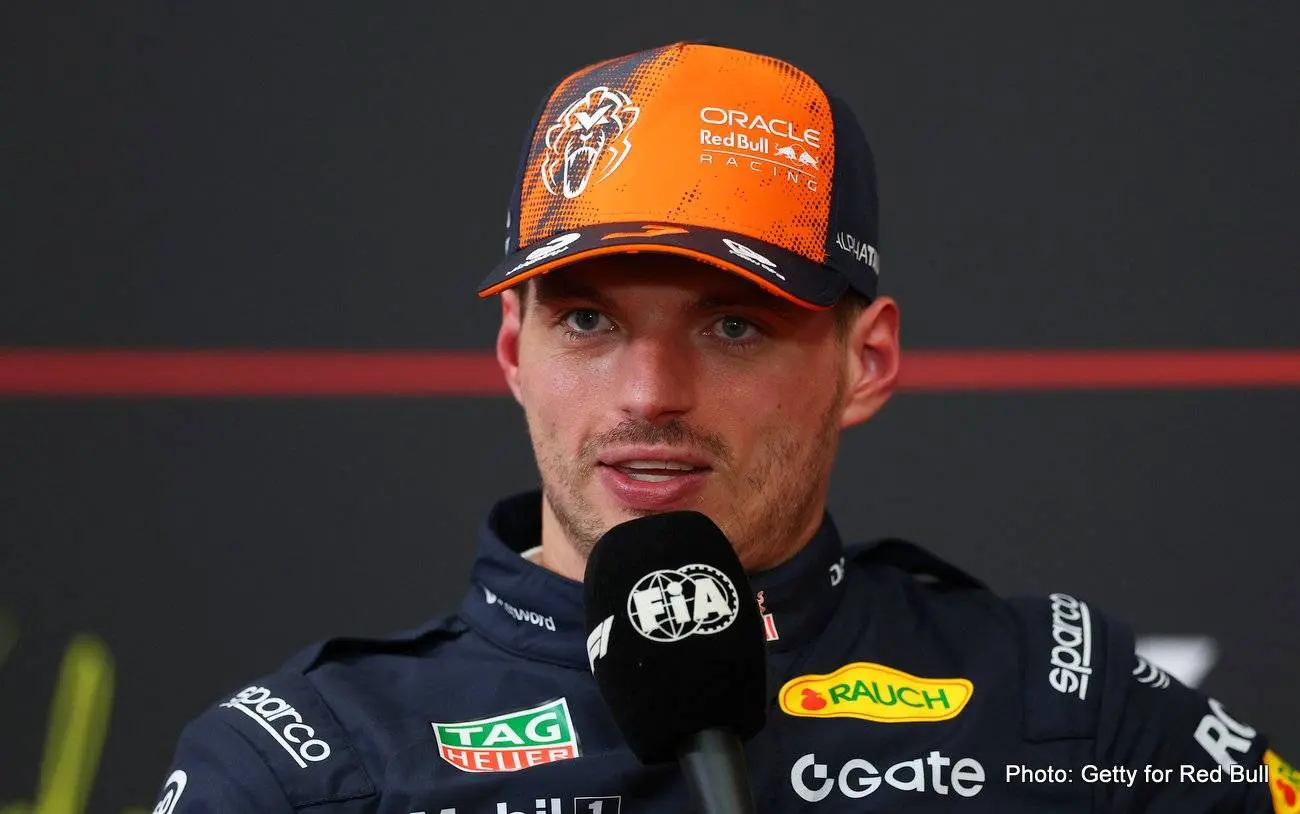
Like Max Verstappen said after the race, not even ten pit stops would've sorted out the issue, which makes sense when the numbers say that you require a five-second pace advantage to make a pass stick around the streets of the Principality.
Again, I am not saying this to open the door to attacks on Monaco and how it is not suitable for modern F1. On the contrary, the cars have become too big and too heavy, which is wrong. A modern F1 car has the footprint of a Range Rover!!
But sadly this fact continues to be ignored, and while the 2026 F1 cars will be slightly smaller, all indications show that we are heading towards a disastrous formula with the new power units and the moveable aero chassis. But that is a discussion for another time.
Let's keep our focus on Monaco and extract some Takeaways from the 2025 Monaco Grand Prix.
The tactics

No matter how much the FIA and FOM tried, they would never be able to outsmart F1 teams and their engineers, who would do whatever they could within the rules in their own interest.
Just look at the current cars. They were designed in order to promote close racing and reduce the wake and outwash that prevented a chasing car from staying close to the car ahead.
But as we now reach the final year of these regulations, the cars are struggling to race closely once again, which shows that F1 engineers have succeeded in finding ways to generate downforce, with wake and outwash, once again, being the unwanted byproducts.
And this also applies to the racing around Monaco conundrum. The teams came up with tactics to deal with the mandatory stops, as one driver would back up the pack to allow his teammate to pit and maintain track position. Only the drivers in the front needed to push to create gaps before pitting.
Williams and Racing Bulls executed such a plan to perfection and were both rewarded as both their cars finished in the points.
Again, getting extremely soft tires—Pirelli's C6—and mandating a minimum number of pit stops will not solve the problem; the cars need to become smaller and lighter, and not just for the sake of racing in Monaco.
Having lighter and smaller cars is better for the overall spectacle and the racing, and with modern technology, they can also be built to be safe for the drivers.
But let's conclude this Takeaway with a positive note. The cars going at full speed in qualifying, with drivers flirting with the barriers, was a glorious scene. At least we had Saturday in Monaco.
A timely and deserved win for Lando Norris

McLaren were always going to be fast around Monaco, and despite Charles Leclerc showing good speed and topping all free practice sessions, at crunch time, in Q3 of qualifying, it was Norris who took pole, and while Leclerc was second, Oscar Piastri was third despite struggling all weekend compared to his teammate.
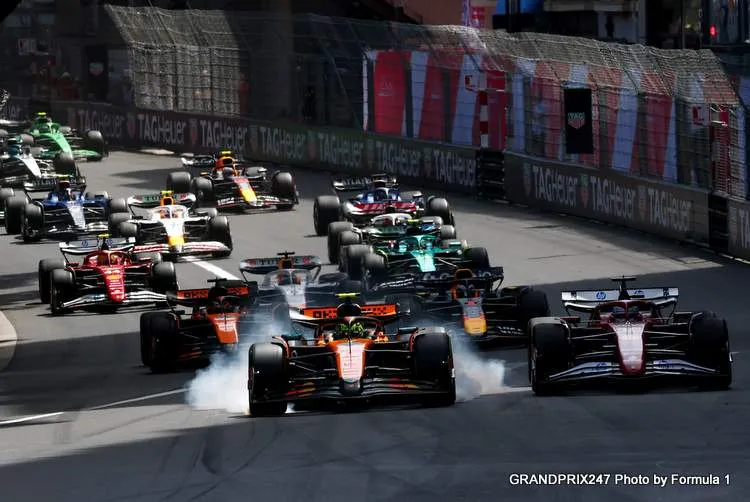
From then, it was all about Norris keeping the lead at the start of the race, and despite a scare with his double lockup trying to defend from the better-starting Leclerc, the Briton kept his lead.
From there on, it was about bringing the car home without any strategy messes or mistakes, and both Norris and McLaren did a decent job at that.
But somehow, Verstappen always finds a way to make Norris' life miserable even when he is starting from fourth on the grid.
Red Bull Racing kept the reigning Formula 1 champion out long before taking the second and final pit stop while everyone else did, as they were hoping for a Safety Car or a Red Flag, which would mean a free pit stop and effectively the race win, as Verstappen was leading the race at that point.
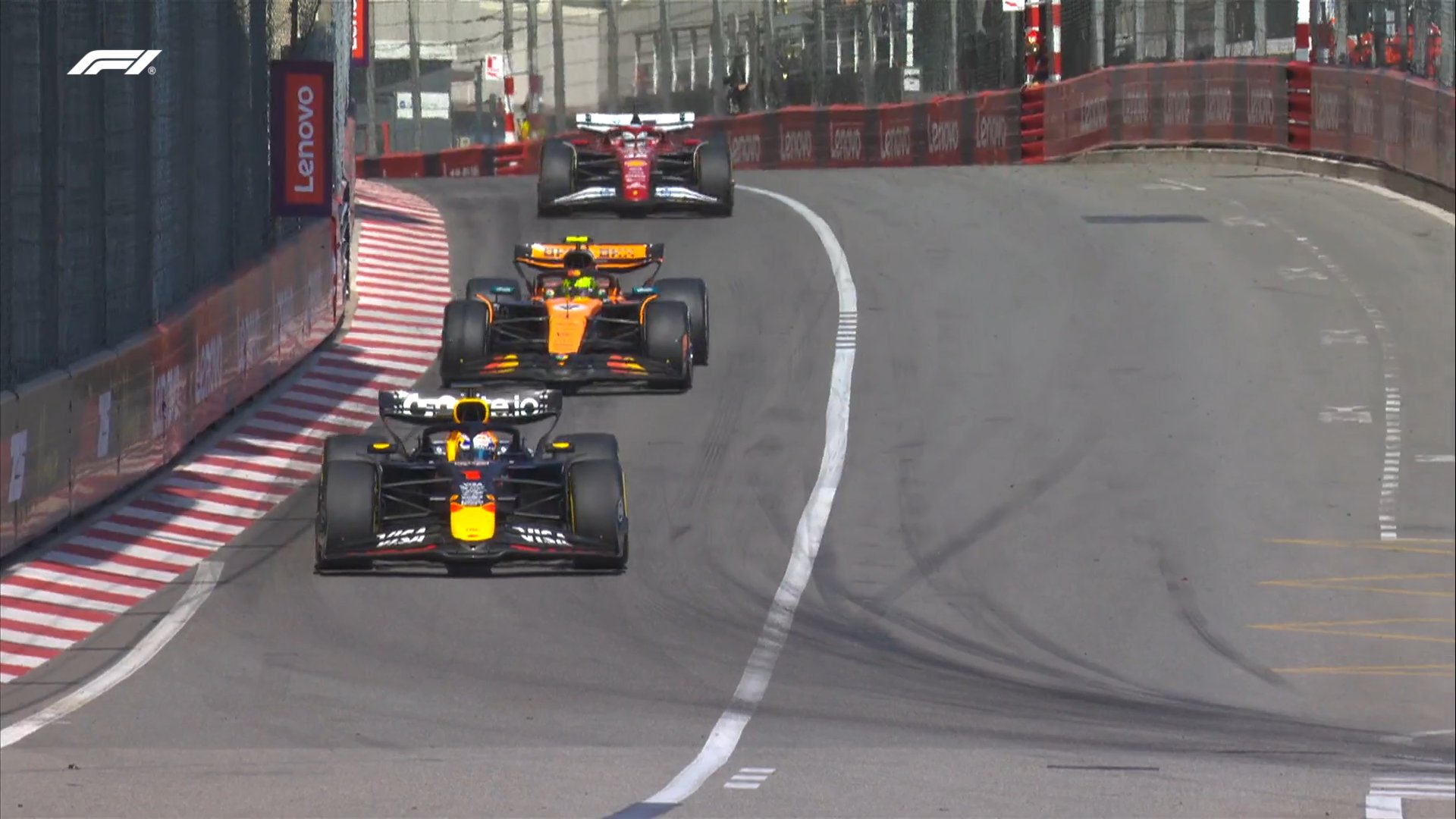
But then Verstappen started slowing down, backing Norris, who came under pressure from Leclerc in the final part of the race.
The Monegasque, eager to take a second win in a row at home, duly attacked Norris relentlessly, but the McLaren driver held firm.
While Verstappen said he slowed down because he ran out of tyres, we will never know if Red Bull intentionally asked him to back Norris up which would have been smart albeit mischievous.
A win for Leclerc would take points away from Norris and Piastri, which would have benefited Verstappen. Had Leclerc and Norris crashed while racing, then the Dutchman would've won the race.
However, Norris kept his head down and made no mistakes, defending well from Leclerc, and thus took a deserved win, his first at Monaco, and a timely one as well.
While Piastri has been gaining momentum, Norris responded now and got within three points of his teammate in the drivers' championship.
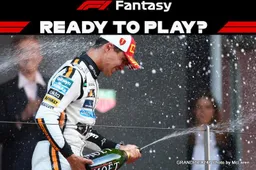
It was a very important win for Lando, and his emotions—visible in the podium—showed that.
Monaco GP Quick Hits

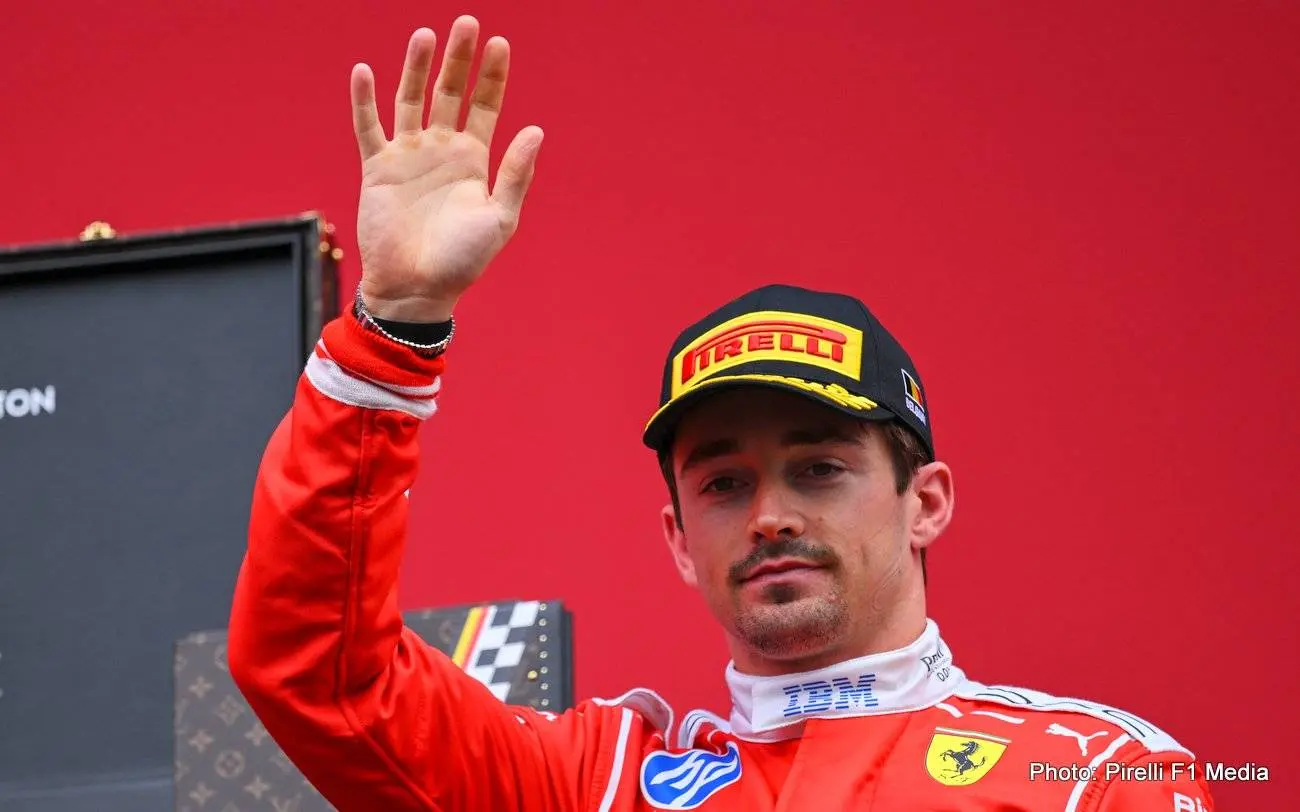
- A second home win for Leclerc was not meant to be, but a podium should offer some consolation given Ferrari's recent woes.
Lewis Hamilton, in the sister car, was nowhere close and finished in no man's land. - Fernando Alonso really is unlucky. On a day when he was on his way to score points, his Aston Martin broke down.
- We saw a different Liam Lawson this weekend. The Kiwi was on the pace all weekend, and scoring his first points of the season was a decent reward, but Isack Hadjar still has the upper hand within the team.
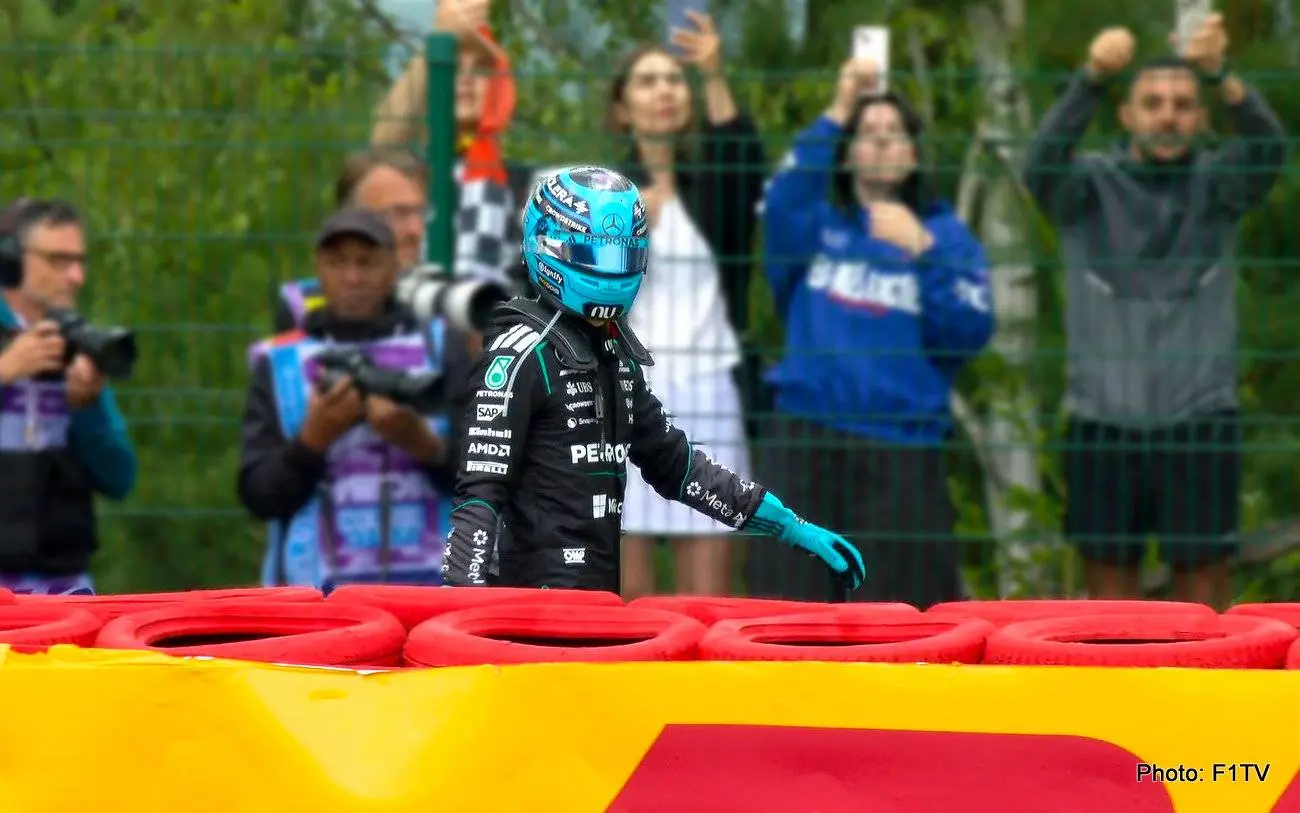
However, both delivered some great teamwork to deliver a double-points score for their team. - Mercedes, for the second weekend in a row, struggled, and their qualifying was nothing less than a disaster. Kimi Antonelli's crash in qualifying was not a surprise for a rookie around Monaco, but George Russell breaking down was simply unlucky.
- Speaking of Russell, he was vocal about Alex Albon's slow driving as Williams were looking to pit Carlos Sainz.
The Briton was so irritated that he cut the chicane, passing the Thai driver and refusing to give the position back, preferring to take a penalty. He was given a drive-through penalty.
But I am conflicted here. I understand Russell's frustration, but going against the rules with premeditation is not something a driver of Russell's caliber should do. After all, he is a director in the GPDA.
Latest News
Loading