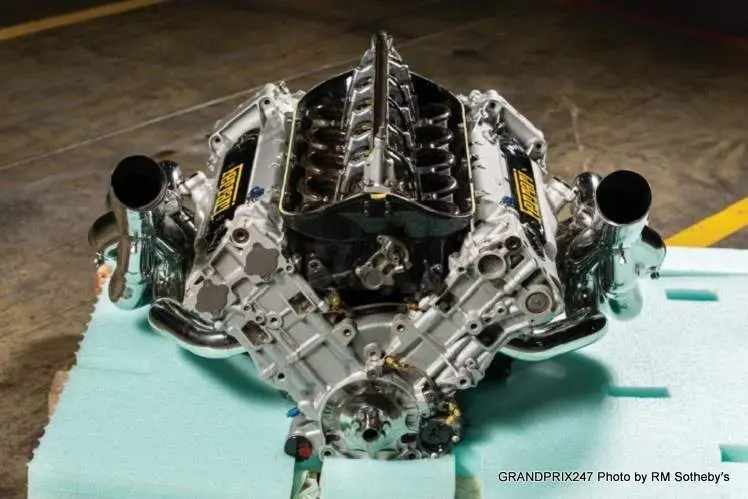
There have been discussions and rumors in Formula 1 about the return of the naturally aspirated V10 engines running on sustainable fuels, but where have they come from? And what comes next?
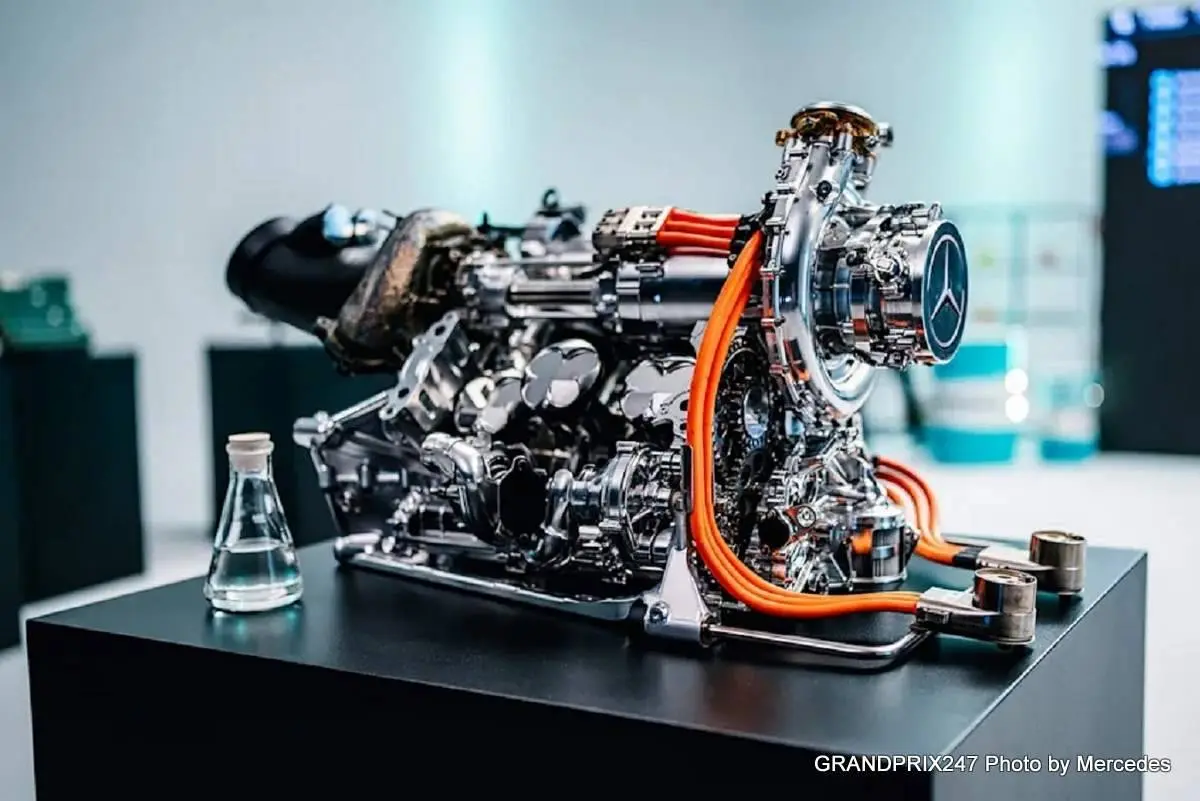
Formula 1, since 2014, has been running V6 turbo hybrid power units, which have been a technological marvel, highly efficient, and now delivering over 1000bhp especially in qualifying modes.
However, these power units have always been criticized for being overly complicated and too expensive, especially with the presence of the MGU-H, a component that transforms heat into electrical energy.
The move towards the current turbo-hybrid power units has always been about Formula 1 keeping up with the times and current mobility trends, where electrification was adopted as the solution for a cleaner and more environmentally friendly future of mobility.
That was also the reason why the sport's 2030 Net Zero initiative was conceived, to make Formula 1 more sustainable and attractive to the new generation of "fans" who do not seem to care about the noise and the emotions of old screaming engines.
The 2026 Formula 1 power units

Now, with the target of attracting more car manufacturers into the sport, the power units were revised from 2026 onwards. Gone was the expensive and overly complicated MGU-H, while the hybrid component will deliver more power compared to the Internal Combustion Engine (ICE), which will now run on sustainable fuels. The power output will be split 50/50 between the ICE and the electrical part.
Based on that, Volkswagen took the bait with their Audi brand entering Formula 1 as a works team, buying Sauber. Honda, on the other hand, pulled the handbrake on their exit and decided to return, but with Aston Martin, as Red Bull founded Red Bull Powertrains in partnership with Ford to deliver their own power units from 2026 onwards.
Cadillac will join with their own team in 2026, powered by Ferrari, with plans to develop their own power unit from 2028 onwards. Renault pulled out, with Alpine becoming Mercedes customers.
But the world has been changing recently, with electrification apparently not the silver bullet for a sustainable future in mobility, as the likes of Toyota insist there are other solutions, such as hydrogen, a path WEC is exploring.
Many other car manufacturers have revised the deadlines for ending their ICE car lineups, admitting they have been hasty in deciding to switch to full electrification.
The first hint at a change in Formula 1 came in the interview with CEO Stefano Domenicali, who admitted naturally aspirated engines with sustainable fuels may be a cheaper option for the sport should they help achieve the Net Zero targets.
And more recently, FIA president Mohammed Ben Sulayem floated the idea of bringing back V10 engines with sustainable fuels, which would also mean Formula 1's iconic noise will be restored.
Since then, the discussion about V10 has gained momentum, with the FIA reportedly set to meet with the manufacturers this weekend in Bahrain to discuss the matter.
But where did that all come from?

As manufacturers started advancing in the development of the 2026 power units, there have been talks about them being underpowered, which would mean the cars would need active aero to keep their grunt on straights, and there have also been talks that the ICE will also act as a generator for the electrical component, which may lead to strange situations when a car would be screaming even if the driver is off throttle to charge the battery—Adrian Newey pointed that one out.
Red Bull's Christian Horner and Max Verstappen have been vocal in their criticism of the 2026 power units, but Mercedes' Toto Wolff claimed that was due to trouble in their power unit program.
But now, the word is that not only Red Bull are struggling with the development of the 2026 power units, and those who are are lobbying for an extension of the current V6 turbo-hybrid units for a couple of years to bring V10 in 2028. Another option would be to cut the duration of the 2026 power units shorter than the usual five-year cycle.
That naturally did not go down well with Audi and Honda, who have invested heavily in the 2026 units and will not be happy with the last-minute change, should it happen.
Audi decided to enter Formula 1 based on the 2026 power unit regulations, while Honda decided to return because of them. Red Bull and Ferrari are reportedly okay with the change, while Mercedes—while not staunchly against—have pointed out several issues with it.
Cadillac's position is yet to be clear on this, but their position is different from Audi and Honda, given that they have not started heavy investment into their program.
The meeting in Bahrain will discuss this topic with the regulations requiring a majority of 4-2 votes for any changes to be ratified.
Basically, Formula 1 and FIA politics will be in overdrive behind the scenes, and this writer would be quite content if the V10s come back, especially with all the worrying chatter being leaked regarding the 2026 power units.
But how about this as a solution? Develop new regulations and allow an option for a naturally aspirated V10 for those who prefer it and keep the hybrid units for those who insist on it.
It would not be the first time in Formula 1 that we have different engines, turbocharged versus naturally aspirated, different numbers of cylinders, and engine capacity... This should make the competition more interesting...
Sadly, we know Formula One Management and the FIA will never allow such an "outlandish" scenario to happen...
Latest News
Loading
![Piastri: We’ll be strong all year [despite rule change]](https://r.testifier.nl/Acbs8526SDKI/resizing_type:fill/width:256/height:170/plain/https://s3-newsifier.ams3.digitaloceanspaces.com/grandprix247.com/images/2025-11/piastri-japan-4-2025.jpg@webp)