Stefano Domenicali called for prudence when discussing the topic of Formula 1 cars' future in terms of weight and propulsion.
F1 cars have gained quite a lot of weight over the years, partly due to safety-related additions (the halo for example adds 15Kg) and also due to the batteries that are part of the hybrid system of the current power units.
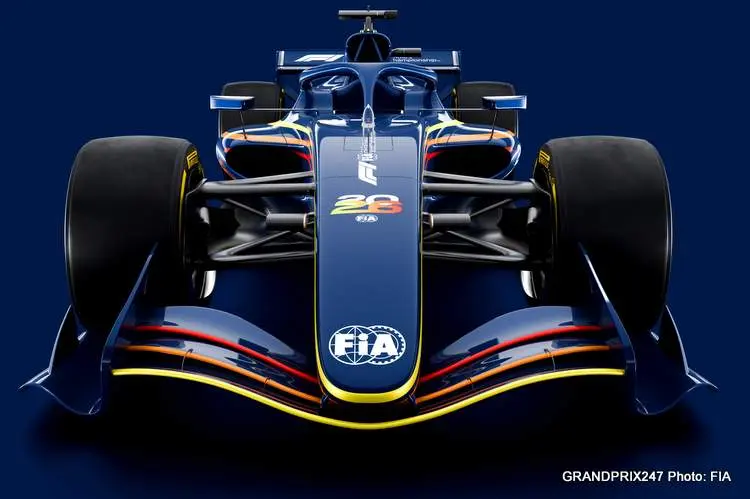
With an early version of the 2026 F1 regulations for the chassis released, it was confirmed that the upcoming F1 cars will be almost 30Kg lighter, hardly an achievement given the cars are currently close to 800Kg in weight.
Speaking to Motorsport.com, Domenicali commented on the matter, he said: "I think what will be always on the table in the future will be the weight and the dimension of the cars because we don't have to forget where the formula car approach was started.
"We are now in a situation where cars are big, cars are heavy, and maybe in the future, with this new development, we can really decide to go back to be lighter.
"But I would say, it is a bit premature to discuss about it. Let's see, first of all, how we can prepare to be really ready for the right technical regulation, also sporting regulations, for ‘26 and then we will discuss accordingly at the right time," he maintained.
Drop the hybrids and lower the weight?
One of the options for lighter cars would be the removal of the hybrid part with its heavy batteries, going back an Internal Combustion Engine (ICE) setup, especially since sustainable fuels will be used from 2026 onwards, not to mention talks about hydrogen as another option to fuel the engines in the future.
While he did not rule anything out, Domenicali was cautious in tackling the matter, he said: "I don't think that hydrogen itself will be a medium-term solution for F1, for many, many reasons – including technology, cost, and safety.
"But I do believe that the right way to develop that [weight reduction] would be either to stay with this kind of concept, with moves to reduce the weight, or – if sustainable fuel is doing the right job to be zero emission and we are taking the point of sustainability in the right way – maybe we don't need anymore to be so complicated or so expensive in terms of engine development.
"So we may think to go back to engines that are much lighter and maybe with a good sound," he mused. "I think that this point of discussion will be for sure in the three years after the introduction. So in the middle of the new journey, we need to think and see where we are and what we believe the situation is evolving."
Keep an eye on worldwide changes in mobility
Domenicali referred to recent change in the discussions regarding the future of mobility and the transition towards fully electric vehicles.
Audi who previously set 2033 as a target to be producing purely electric vehicles have backtracked their goals with CEO Gernot Döllner admitting they may need to be "flexible" regarding keeping ICE cars around for a bit longer admitting when speaking to Top Gear Magazine that: "The growth rate in electric vehicles has slowed down, but is still positive."
Domenicali seemed to have such changes in the tone of car manufacturers in mind when he said: "But one thing that is very important: look back and see how things are changing so rapidly, so quickly.
"I remember everyone a couple of years ago was saying, ‘Ah, electric cars for everyone, forever’. Now, the handbrake is bigger than going ahead; so we need to be prudent.
"We need to make sure that we are taking the right approach. We are in a sport business and therefore I think that we need to take the right decision for our needs and for our sport," the Formula 1 boss concluded.
Latest News




Loading