Virtual Racing: Rise of eSports in Formula 1 and impact on iGaming
F1 NewsFriday, 14 March 2025 at 01:15
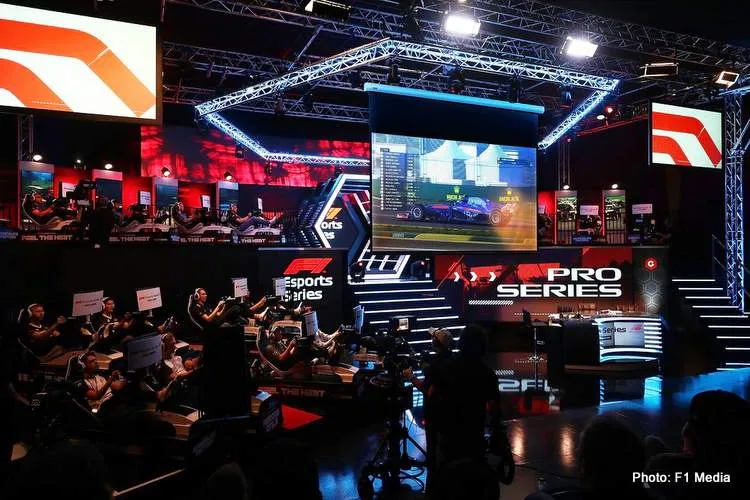
Formula 1 isn't confined to the asphalt anymore. A digital revolution has transformed the sport, reshaping fan engagement and creating entirely new avenues for competition and entertainment.
Sim racing, once a niche hobby, has surged into the mainstream, fueled by increasingly realistic simulations and the undeniable rise of eSports. iGaming, encompassing online betting and gaming, has become deeply intertwined with this virtual racing world.
It's a fascinating evolution, blurring the lines between the real and the virtual and creating exciting opportunities for fans, drivers, and businesses alike. If you're looking for an engaging and reliable platform to dive into this exciting world, https://funny888.gold/ offers a variety of online entertainment and gaming options, creating a seamless experience.
This special report for our readers interested in how eSports in Formula 1 is reshaping gaming culture and significantly impacting iGaming.
The Evolution of Virtual Racing & F1’s Role

The pioneers of sim racing – Grand Prix Legends, rFactor, iRacing – laid the foundation for what we see today. While perhaps clunky by modern standards, these titles demonstrated the potential for realistic racing simulation. As technology advanced, so did the fidelity of the games. Codemasters’ F1 series and Assetto Corsa, for instance, significantly pushed the boundaries of realism, offering increasingly immersive and authentic driving experiences.
Then, in 2017, Formula 1 officially entered the arena with the launch of the F1 Esports Series. This was a pivotal moment, signaling F1's commitment to virtual racing as a legitimate form of competition.
F1 teams started recruiting professional eSports drivers, recognizing their skill and potential. Red Bull Racing Esports and Mercedes-AMG Petronas Esports were among the early adopters, demonstrating that this wasn't just a marketing gimmick but a serious investment in talent.
The Rise of Competitive eSports in Formula 1

F1 teams began pouring significant resources into their virtual racing divisions. It wasn't simply a side project; it became a competitive arena, with viewership and participation in the F1 eSports Championships experiencing rapid growth. The competition is fierce, the stakes are high, and teams and drivers are battling for supremacy on the virtual track.
Furthermore, we've witnessed compelling crossover moments, with real-world F1 drivers like Charles Leclerc and Max Verstappen actively participating in sim racing tournaments. This has brought mainstream attention to the world of virtual racing and further legitimized it as a form of competition.
Twitch and YouTube have played a crucial role in the growth of F1 eSports. These platforms provide a massive reach, attracting gamers, fans, and casual viewers alike who tune in to experience the thrill and drama of virtual racing. Last year's final race, for example, drew over 1.2 million viewers.
The Connection Between F1 eSports and iGaming

The intersection of F1 eSports and iGaming is where things get particularly interesting. Virtual betting markets linked to eSports racing are expanding rapidly. iGaming companies are forming partnerships with eSports leagues and teams, seeking to capitalize on the growing popularity and engagement of virtual racing.
The landscape is evolving to include microtransactions, fantasy leagues, and online casinos themed around virtual Formula 1 racing, creating a comprehensive ecosystem of online entertainment and gaming.
Data analytics and AI-driven odds are shaping the future of eSports betting. Advanced algorithms and predictive analytics provide gaming corporations with a significant advantage, revolutionizing the accuracy of betting odds and enhancing the user experience. Imagine odds that update in real-time based on the unfolding events within the virtual race!
Opportunities & Challenges in Virtual Racing and iGaming

Opportunities
New revenue streams for both Formula 1 and betting companies. The financial opportunities are undeniable, with all stakeholders benefiting from the growth of virtual racing and its integration with iGaming.
Expansion of fan engagement through interactive gaming. Fantasy F1 leagues and predictive gaming allow fans to immerse themselves in the sport, transforming them from passive viewers to active participants. Managing a dream team, predicting race outcomes, and competing against friends creates a more engaging and interactive experience.
The potential of augmented reality (AR) and virtual reality (VR) in virtual F1 experiences. Imagine experiencing a virtual race from the perspective of the driver, inside the cockpit. The possibilities are truly exciting.
Challenges
Regulatory scrutiny on eSports betting. Regulations are complex and vary significantly from country to country, creating a challenging landscape for operators.
Maintaining the integrity of virtual racing events and preventing match-fixing. Fairness and transparency are crucial to maintaining the trust of participants and viewers. Any suspicion of foul play can damage the credibility of the sport.
Potential alienation of traditional motorsport fans. Some fans may view virtual racing as a lesser substitute for the real thing. Bridging this gap and demonstrating the value and excitement of virtual racing is essential.
The Future of F1 eSports and iGaming

Experts predict that Formula 1 will further integrate eSports into its ecosystem, creating even more seamless and engaging experiences for fans.
Virtual Grand Prix events could replace real races during extreme circumstances, such as lockdowns or weather disruptions. During the COVID-19 pandemic, F1 innovated by hosting Virtual Grand Prix races, attracting millions of viewers and demonstrating the potential of virtual racing as a complementary form of entertainment. Remember Lando Norris's technical issues and rage-quitting? Good times.
Collaborations between gambling brands and Formula 1 eSports competitions could become commonplace, potentially leading to branded events such as the "DraftKings F1 Esports Championship."
Blockchain and NFTs may revolutionize virtual motorsport betting, introducing new levels of transparency and security to the industry.
The rise and rise of virtual racing

The FIA Formula One Esports Series, launched in 2017, has grown significantly, attracting tens of thousands of players and producing champions like Brendon Leigh and Jarno Opmeer. The series is poised for further evolution and growth.
The rise of virtual racing and its significance in the F1 ecosystem is undeniable. F1's digital transformation has seen sim racing evolve from a niche hobby to a mainstream obsession. iGaming is benefiting significantly from the growth of F1 eSports, demonstrating how traditional sports can leverage digital platforms, engage new audiences, and create additional revenue streams.
Will virtual racing ever rival real-world F1 in terms of popularity and impact? Perhaps. And that’s the exciting part to watch. The annual iteration of the F1 video game, developed with Codemasters, has improved significantly over the years, enhancing realism and gameplay. Partnerships with hardware manufacturers like Fanatec, which provide high-quality equipment for sim racing, have further enhanced the realism. It will only be a matter of time before these two worlds collide. And honestly? I'm here for it.
```
Latest News





Loading