Track to Workshop: How shock absorbers improve performance
F1 NewsWednesday, 25 September 2024 at 01:42
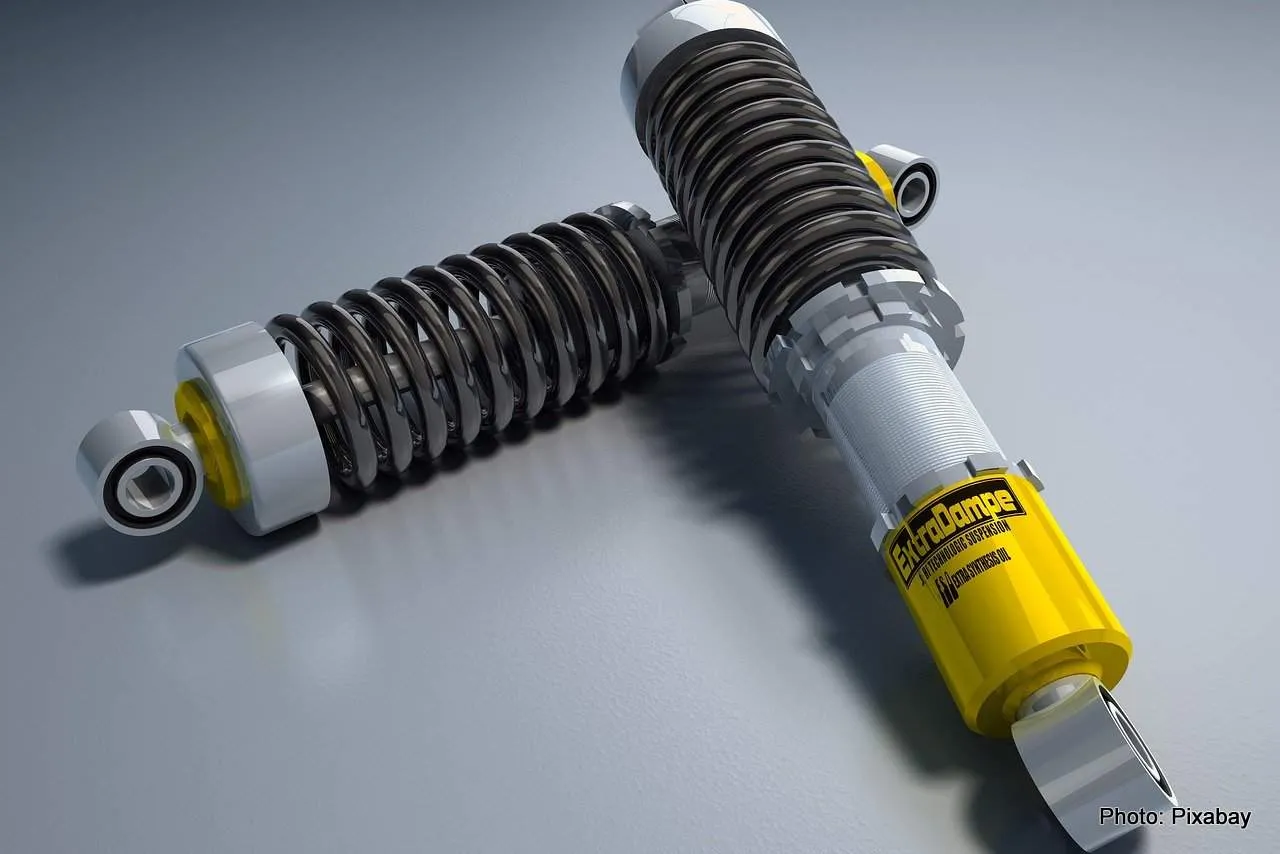
Every millisecond counts in this world of high-stakes racing. As much attention is given to the performance of the engines or to aerodynamics, little else is paid to another very crucial element: the shock absorbers.
Bleeding shocks regularly will greatly change how a car handles and finally affect the driver's racing performance. This report looks at the reasons for shock maintenance and how it can make all the difference you've been looking for.
Understanding Shock Absorbers
Before starting to discuss the maintenance, let's give a quick overview of what the shock absorbers do:
- Dampen oscillations: Shocks govern the up-and-down dance of your vehicle's suspension.
- Improve handling: They hold the tires in contact with the road surface.
- Comfort: Shocks dampen bumps and other vibrations, giving a smoother ride.
Why Bleed?
Over time, air can enter the shock absorber system and compromise its performance. This is where the bleeding comes in:
Air in the system reduces shock effectiveness. Inconsistent damping leads to unpredictable handling. Increased wear, as air causes internal components to wear faster. Regular bleeding removes this air, restoring your shocks to peak performance. ## Signs Your Shocks Need Bleeding Watch for these indicators that it is time to bleed your shocks: 1. Inconsistent handling, the car feels different from lap to lap. 2. Bouncy ride, excessive oscillation after bumps or curbs.
- Loss of traction: Inability to hold in corners
- Abnormal tire wear: Premature or irregular wear patterns
The Bleeding Process
Manual Bleeding
- Shock removal: Take the shock off carefully
- Extend the shock fully: Pull it out to complete the extension
- Compress slowly: Push the shock in while upside down
- Repeat: Extend/compress the shock repeatedly several times
Bleeding with Shock Absorber Vacuum Bleeding Machine
A shock vacuum bleeding machine can be bought for a much more efficient and complete bleed. The following is a list of benefits of such a tool:
- Consistency: Same bleed on all shock absorbers
- Time-saving: Faster than any manual bleeding method
- Precision: More air removed than manual bleeding
Benefits of Regular Shock Bleeder
Regular bleeding offers many benefits that will be translated to better driving. Such benefits include:
- Better handling: consistent damping translates to more predictable car behavior
- Faster lap times: Better suspension performance can shave precious seconds off your time
- Increased tire life: Proper shock function reduces uneven tire wear
- Enhanced safety: Predictable handling is key in high-speed racing
Creating a Maintenance Schedule
To reap the full advantages of bleeding your shocks, establish a maintenance schedule to follow: - After every race: Quick check for any apparent problems
- Every 3-5 races: In-depth inspection, bleeding if needed
- Start of season: Complete rebuild and bleeding of all shocks
- Mid-season: Second full service to ensure peak performance
More Than Bleeding: Full Shock Service
While bleeding is essential, it's but one part of the entire shock absorber servicing:
- Seal and bushing inspection: Look for any signs of wear or seepage
- Mounting point analysis: Check that all mounting points are tight
- Data analysis: Telemetry usage to determine if there could be possible shock issues
- Consider rebuilds: Periodically rebuild shocks to maintain optimal performance
The Role of Technology
Technology has strongly entered into modern racing in terms of shock maintenance:
- Data logging: Sensors allow monitoring of the real-time performance of the shock
- Simulation software: Modeling and predictions of shock behavior given various conditions
- Automated systems: Bleeding and adjustment automation for some of the higher-end programs
Case Study: From Last to Podium
The following is a real-world example to help illustrate the effects of proper shock absorber maintenance:
A GT3 team, that normally brought up the rear or middle of the pack, instituted vigorous shock bleeding practices. They took it a step further by incorporating a shock vacuum bleeding machine into their routine. Soon thereafter they were scoring their first podiums in less than three races, crediting much of their newfound success to improved vehicle handling and driver confidence.
Conclusion
In the competitive world of racing, everything is a plus. Bleeding your shocks may be the little things, but they do mean a lot to performance. A consistent bleeding schedule, with appropriate tools for the job at hand like a shock vacuum bleeding machine, and overall shock health, could give one that important edge on the track.
Championship-winning teams don't forget the little things. Take care of your shocks, and you'll be well on your way to lower lap times and better handling-just maybe a few more checkered flags, too.
Latest News









Loading