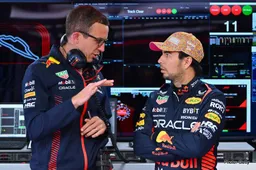
The Formula 1 boom in the United States may be shortlived as Americans realise the sport is not what Netflix implies with their Drive to Survive series, in reality teams and drivers dominate, races are mainly 'boring' and Championships are not always like it was in 2021.
In other words, a certain sense of understanding is required to grasp that F1 is about the best of the best on every level, not only the fabricated drama Drive to Survive has concocted. Throughout the sport's history teams have found the edge and caught the others napping - as Red Bull are dominating now, and Mercedes did before them.
The magic of Formula 1 is how the gap will be closed by the others, what a driver like Max Verstappen can do with the car he has, a process true fans are intrigued by which may appear tedious to the ignorant, and those unsophisticated enough to try to understand, because flicking the channel switch is far easier than thinking.
Of course, the Stateside F1 fanbase is not aided by having a decent American team and a driver with F1 talent in a race-winning team. Logan Sargeant is not the real deal and Haas is hardly really American.
And while we are all for attracting a new fanbase for F1 in America or any new market in that regard, we have always insisted that the new fans are introduced to the real F1, as it is and not changing the sport or its DNA just for the sake of getting fans who may or may not stay around for long.
Associated Press motorsport correspondent Jenna Fryer ponders the prospect of the USA switching off F1 as fast as they switched on to it. - Editor.
It's OK to feel duped by Formula 1 and the splashy Netflix show that sucked you into the globetrotting racing series at the height of the pandemic.
The behind-the-scenes “Drive to Survive” docudrama packaged F1 as sexy and sophisticated, a highbrow alternative to beer-soaked NASCAR and its crash-cheering fans. The epic 2021 championship fight between Max Verstappen and Lewis Hamilton made for must-watch racing, with Americans setting their alarms for ungodly hours to watch one of the fiercest battles in series history.
F1 had finally captured the elusive American audience and Liberty Media, the rights holder, added stops in Miami and Las Vegas to the schedule to give the United States three races this year. With Canada and Mexico City, that's five stops total in North America on a 22-race calendar.
But here's F1's dirty little secret: the racing has never been great and 2021 was an anomaly of a season: Since Verstappen controversially beat Hamilton in the Abu Dhabi season finale, only five drivers have won races in the 31 races since.
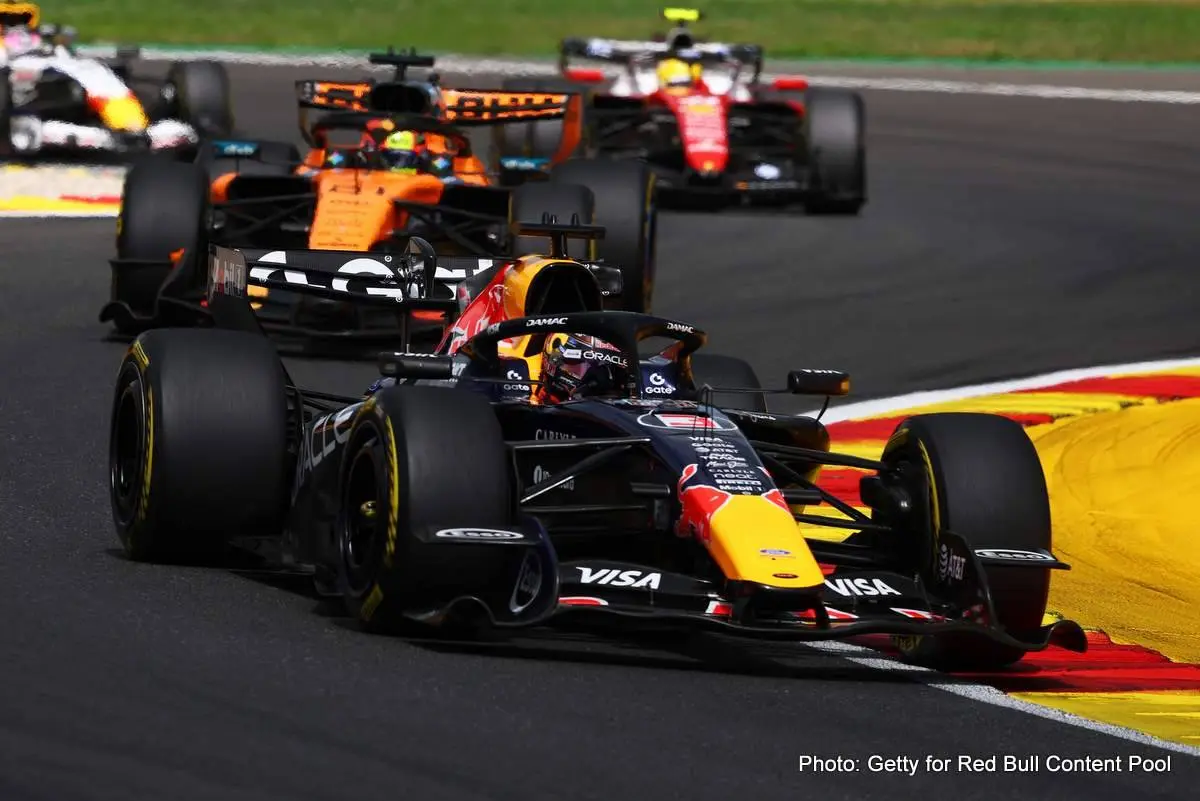
Verstappen has turned the top step of the F1 podium into a one-man show

It's been nothing but a Verstappen rout since he snagged his first title and the two-time reigning world champion has won 21 races since Abu Dhabi. He's won six of eight races in this snoozer of a season — teammate Sergio Perez won the other two to make Red Bull a perfect 8 for 8 on the year — and Verstappen is on a four-race winning streak.
His win Sunday at the Canadian Grand Prix tied Verstappen with the late Ayrton Senna with 41 career victories, fifth on the all-time list. A high achievement, no doubt, but one that was never in doubt.
When asked ahead of the race about Verstappen's win pace, Hamilton conceded the 25-year-old will likely eventually pass Hamilton's all-time mark of 103 victories.
“He’s got a very long career ahead of him, so absolutely. Ultimately, records are there to be broken. And he’s got an amazing team,” Hamilton said. “We’ve got to work harder to try and continue to extend (Hamilton's win record). I hope we get to have some, at least within the last period of time in my career, I hope we get to have some more close racing.”
The one saving grace from the Verstappen parade in Montreal is that it was a close race: his margin of victory over resurgent Fernando Alonso was 9.5 seconds.
That's close, you ask? Well, yes, considering Verstappen has been winning races by double-digit margins all season and Canada marked the closest finish of the season to date.
“It’s probably not been our best race, but still, to win by nine seconds, I think shows that we have a great car,” Verstappen said of his Montreal dominance.
NASCAR destroys Formula 1 simply in terms of variety of winners, unpredictability and many more crashes

And that's a problem in the United States, where NASCAR is king and its crowds tune in for action-packed racing, the chance to see unique winners and spectacular crashes. F1 has just two winners this season in Verstappen and Perez, while NASCAR has counted 10 winners through 16 races.
IndyCar, which has become both a landing spot for drivers who can't get an F1 seat and, as points leader Alex Palou hopes, a launching pad to get him onto the F1 grid, has celebrated five different winners through its eight races.
Americans are a fickle fanbase and this new love affair with F1 will be a short one if the on-track action doesn't improve. F1 excels at drama, cutthroat politics and backstabbing, but when it doesn't translate into an exciting product, the attention span will be tested.
Take the race at Circuit of the Americas in Texas, for example. For nine years the race in Austin was the only U.S. stop on the F1 schedule and it initially drew large crowds and considerable interest. But attention waned until the “Drive to Survive” resurgence, when race organizers boasted attendance of roughly 400,000 over the three-day 2021 race weekend.
COTA this year will run a month before the debut race on the Las Vegas Strip, which is expected to be the most expensive race for spectators on the 2023 schedule. The Wynn is offering a six-person VIP package for $1 million, and that's on par with the Las Vegas experiences that have clearly been catered not to race fans, but to celebrities and the ultra-wealthy who simply want to be part of the scene.
Americans may not be so understanding if it continues this way

Miami didn't have the same demand in May as it did during last year's debut and race organizers are now considering moving the event to nighttime to combat both the Florida heat and differentiate the race from others on the calendar.
But if Verstappen and Red Bull continue to dominate the way they are, it won't matter. Few want to shell out the cash required to see a race decided in the first turn of the first lap. Verstappen has led every lap in his past three consecutive wins.
Hamilton said he's accepted that Red Bull is just that much better than the rest of the field right now: “It’s not a frustration anymore if it ever was. You know how it is, and you know what you’re faced with, and there’s nothing I can do about their amazing performance.
"It’s likely that they will win every race, moving forwards, this year, unless we put a lot more performance on the cars, or their car doesn’t finish," reckoned the seven-time F1 World Champion.
The F1 paddock understands the ebbs and flows of the series and recognizes that some of the fiercest racing is mid-pack. Americans may not be so understanding if it continues this way.
Latest News




Loading