Essential Steps to Take After a Bicycle Accident Follow These Now
Special FeatureTuesday, 16 September 2025 at 02:35
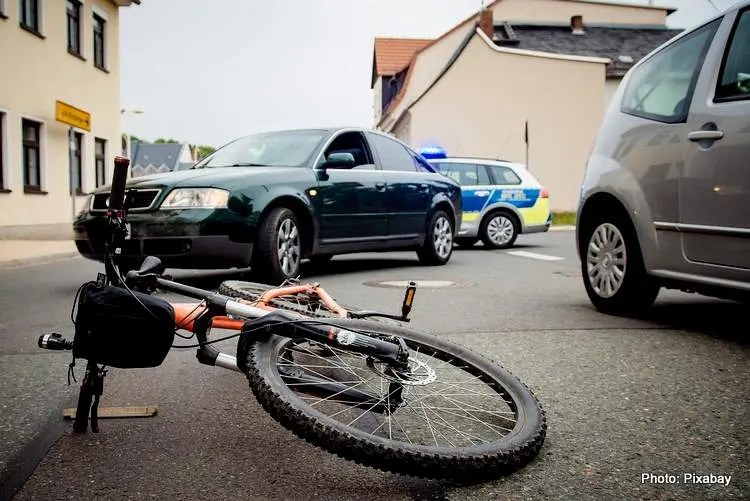
You’re shaken. That’s the honest start. One moment you’re riding, the next you’re on the ground, listening to traffic and wondering what happened.
After a bicycle crash, those first minutes matter. Do a few simple things right now and you protect your health, your chances for compensation, and your peace of mind. This is a special report for our Formula 1 readers and F1 fans interested in cycling and safety on the roads.
1. Breathe and move somewhere safe
Don’t rush to stand or pack your bike. If you can, push your bike out of the lane and sit somewhere off the road. Even a few metres can stop another vehicle from turning a bad moment into a worse one. When moving isn’t possible, do your best to wave or shout to attract help.
Calm rarely comes naturally after a crash, though pausing to breathe for half a minute steadies your thoughts and makes what comes next manageable.
2. Check for injuries properly
Adrenaline can mask pain. Check yourself by moving your fingers and toes. Do you feel light-headed or foggy? Any nausea, double vision, or memory gaps? Look for deep cuts and misshapen limbs. If anything feels wrong, call emergency services — riding away often makes problems worse.
Minor cuts still need care: clean them and keep them covered. Crashes on the road usually leave grit in the skin, making infection a real risk.
3. Call the police and get a report
It might seem unnecessary, but letting the police know is important. Give them a straightforward account of what happened and get a copy or the report number. It’s simple but very useful later.
4. Photograph the scene of the bicycle accident
Take out your phone and snap pictures from different angles. Get your bike, any vehicles, road signs, and anything around that might be important. Don’t forget to capture the surface, debris, or skid marks. These photos are your proof of what really happened, taken while it’s all fresh.
5. Note witnesses and their contacts
If someone saw you, get their name and phone number. Witnesses often tip the balance when memories blur. Write short notes about what they said while it’s fresh.
6. Exchange details — and avoid admitting guilt
Collect names, phone numbers, registration plates and insurance info. Keep the conversation factual and short. Don’t apologise, even “sorry” can be read as accepting blame.
If you’ve been involved in a bicycle accident and feel lost with paperwork, take a moment to follow these steps — the guide is clear and aimed at cycling lovers.
7. See a doctor quickly, even if you feel okay
Some injuries don’t show up immediately, so getting checked by a medical professional is essential. A doctor can identify hidden issues and create a record tied to the accident. Keep all reports, prescriptions, and receipts, they could be useful later if you need proof of treatment.
8. Keep a brief recovery diary
Each day write one or two lines about pain, sleep and what you can or cannot do. This simple record creates a timeline that helps explain how the crash affected daily life.
9. Photograph bike damage and save repair bills
Before repairs start, take detailed photos. Ask shops for written estimates and keep invoices. Repair costs are recoverable if you document them properly.
10. Be cautious with quick settlement offers
Insurers might push for a fast deal. Read everything and don’t sign away future claims while symptoms persist. If money is tight, local legal clinics or cycling charities often give low-cost advice; they can point you in the right direction. Keep copies of every message and photo you send or receive, a digital trail helps.
Extra tip: save ride data
Screenshots from apps or GPS devices showing time and route can back up your account of where and when the crash happened.
And don’t ignore the shock
Recovering your body is only part of it. Your emotions count just as much. Chat with friends, join other cyclists, or see someone you trust if you feel stressed or have trouble sleeping. Sharing the story usually helps a lot.
For more detailed tips on bouncing back after a crash, check out Cycling Weekly’s guide on how to successfully recover.
A crash throws your day off. First, stay safe. Then record what happened, visit a doctor, and watch your rights. These steps help you stay steady in a chaotic moment.
Latest News










Loading