Winter Proofing Your Truck: Essential Accessories & Kits for 2025
Special FeatureMonday, 22 September 2025 at 02:59
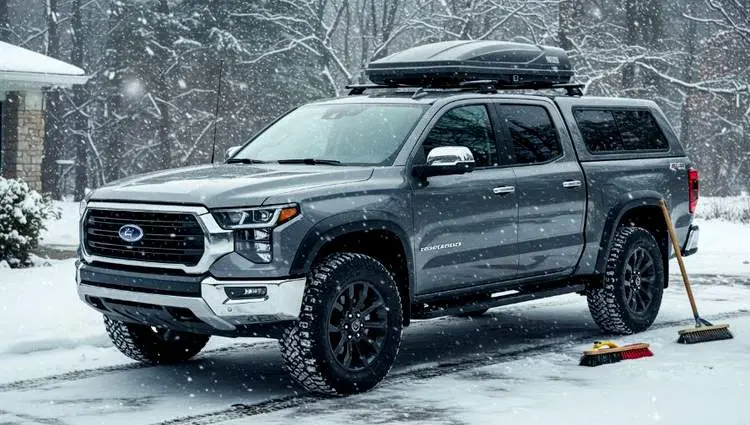
Here's what most truck owners learn the hard way: winter doesn't care about your schedule, it will engulf you at will anytime from now in the northern hemisphere. Get ready!
That morning when your battery's dead, your doors are frozen shut, and you're sliding sideways on black ice - that's when you realize all those "optional" winter accessories weren't so optional after all.
I've seen countless drivers get caught unprepared when the first real storm hits. They're the ones calling for tow trucks, sitting in freezing cabs waiting for help, or worse - becoming another statistic on icy roads.
The Federal Highway Administration reports over 1,300 deaths and 116,800 injuries annually from crashes on snowy or icy pavement. Most of these are preventable with the right preparation.
Your truck is your livelihood, your daily driver, or your weekend warrior. Don't let winter turn it into a liability. The right gear and preparation can mean the difference between conquering winter roads and being conquered by them. This report is for our Formula 1 readers with winter on the horizon.
Winter Truck Prep Essentials
| Category | Must-Have Items | Why It Matters |
| Traction | Winter tires, chains, traction mats | Prevents getting stuck or losing control |
| Visibility | Winter wipers, ice scrapers, upgraded headlights | Keeps you seeing and being seen |
| Emergency Kit | Blankets, food, water, shovel, jump starter | Survival gear for breakdowns |
| Cargo Protection | Tonneau covers, bed liners | Keeps gear dry and truck bed protected |
| Vehicle Prep | Battery check, fluid changes, block heater | Prevents no-start situations |
The Winter Accessories That Actually Save Your Hide
1. Traction: Your First Line of Defense
Traction is everything when roads turn into skating rinks. Don't mess around with worn-out all-season tires and hope for the best. Winter tires use different rubber compounds that stay flexible in freezing temperatures, plus deeper treads that bite into snow and ice.
Snow chains are non-negotiable if you're driving in mountain areas or dealing with serious storms. Practice installing them in your driveway before you need them on the side of a frozen highway at 2 AM. Trust me on this one.
Traction mats are the unsung heroes of winter driving. Lightweight, compact, and they can get you out of situations where even chains won't help. Throw a set in your truck bed and forget about them until you need them.
If you're running 18-inch rims, make sure your chains are compatible. Larger wheels can limit your chain options, so verify fitment before winter hits.
2. Visibility: See and Be Seen
Winter visibility is about more than just clearing snow off your windshield. Standard wiper blades turn into frozen hockey sticks when temperatures drop. Winter wiper blades use different rubber compounds and designs that stay flexible and clear slush effectively.
Upgrading to quality aftermarket headlights can be a game-changer for winter driving. Brighter, whiter light cuts through snow, fog, and those dark winter mornings when you're driving to work before sunrise. The improved visibility helps you spot hazards sooner and react faster.
Windshield covers save you time and frustration on icy mornings. Spending two minutes putting one on beats spending twenty minutes scraping ice in subzero weather. Keep a proper snow brush and ice scraper in your cab - don't be the person trying to clear snow with their sleeve.
3. Heating and Comfort: Staying Warm Keeps You Alert
Cold drivers make poor decisions. When you're shivering and distracted by discomfort, your reaction time suffers and you're more likely to make mistakes.
Heated seats and steering wheel covers aren't luxury items in winter - they're safety equipment. Getting warm quickly keeps you alert and focused on driving instead of fighting the cold.
For long hauls or overnight stops, portable heaters and bunk warmers can mean the difference between restful sleep and a miserable night. Battery-powered options give you heat without running your engine all night.
4. Cargo Protection: Keep Your Gear Dry
Snow and ice in your truck bed create problems you might not expect. Wet cargo adds weight, frozen items become impossible to unload, and constant moisture leads to rust and damage.
A quality hard top tonneau cover seals out snow and ice completely while adding security for your gear. Hard tops handle snow loads better than soft covers and won't sag or tear under ice buildup.
Bed liners and mats protect against salt corrosion and make cleanup easier when spring finally arrives. The initial investment pays off when your truck bed isn't rusted out in five years.
Building an Emergency Kit That Actually Works
Most people's idea of an emergency kit is a flashlight and some jumper cables. That's not going to cut it when you're stuck in a blizzard for hours.
1. Survival Basics
Pack a sleeping bag rated for temperatures 20 degrees below what you expect to encounter. Hypothermia kills faster than people realize, especially when you're sitting in a cold truck waiting for help.
High-energy food that won't freeze - think granola bars, nuts, and jerky. A gallon of water in an insulated container. Hand and foot warmers are cheap insurance against frostbite during long waits.
2. Tools and Safety Equipment
A compact folding shovel can dig you out of snow drifts or clear exhaust pipes to prevent carbon monoxide poisoning. LED flashlights with extra batteries last longer and shine brighter than old incandescent models.
Reflective triangles and glow sticks make you visible to other drivers if you're stuck on the roadside. A jump starter eliminates the need to flag down strangers for a boost when your battery dies.
Lock de-icer might seem minor until your door handles are frozen solid and you can't get in your truck. Keep a bottle in your coat pocket, not in the truck.
3. Recovery and Repair
If you venture off main roads, bring recovery gear. Traction mats, tow straps, and a snatch block can get you unstuck without waiting hours for professional help.
A portable air compressor handles the tire pressure drops that come with temperature swings. Many models also include emergency lights and power outlets for charging devices.
Step-by-Step Winter Preparation
1. Pre-Season Vehicle Check
Start with your battery. Cold weather kills weak batteries faster than anything else. Load test it and replace if it's marginal - don't gamble on making it through winter.
Check your tire tread depth with a quarter. If Washington's head is visible, you need new tires. Worn tires on winter roads are an accident waiting to happen.
Antifreeze should be tested and replaced if it's more than two years old. The wrong mixture ratio or degraded antifreeze can cause expensive engine damage.
2. Fuel and Oil Preparation
Diesel truck owners need anti-gel additives once temperatures drop below 20°F. Gelled fuel will strand you faster than a dead battery.
Switch to winter-grade oil if you haven't already. Thinner oil flows better in cold temperatures and reduces engine wear during cold starts.
Engine block heaters aren't just for extreme climates. They make starting easier, reduce wear, and get your heater working faster.
3. Maintenance Items
Drain air tanks regularly to prevent moisture from freezing in brake lines. Frozen air brakes can cause accidents or leave you unable to move.
Replace wiper blades before winter starts. Fighting a blizzard with worn blades that streak and chatter is dangerous and exhausting.
Top off washer fluid with winter-grade formula. Regular washer fluid freezes and can crack your reservoir.
Avoiding Common Winter Mistakes
1. The Overconfidence Trap
Four-wheel drive doesn't make you invincible. It helps you get moving, but it doesn't help you stop or steer better on ice. Slow down and increase following distances regardless of what you're driving.
2. Maintenance Neglect
Ignoring routine maintenance in winter costs more than doing it right. Frozen brake lines, dead batteries, and gelled fuel are expensive problems that proper preparation prevents.
3. Weather Ignorance
Check weather reports and road conditions before leaving. Getting caught in a storm you could have avoided is poor planning, not bad luck.
According to the American Trucking Association's safety director Mark Williams, "Most winter accidents happen because drivers either don't slow down for conditions or they don't maintain proper following distance. Physics doesn't care how good a driver you think you are."
Regional Considerations
1. Mountain Driving
Chain laws are enforced seriously in mountain states. Carry proper chains and know how to install them. Practice in good weather so you're not learning during a storm.
Steep grades amplify winter driving challenges. Maintain momentum going up hills, but control speed going down. Riding your brakes on icy downhills can cause brake fade or jackknifing.
2. Urban vs Rural Preparation
City driving means more traffic and faster help if something goes wrong. But it also means more aggressive drivers who haven't adjusted their driving for conditions.
Rural areas might have less traffic, but help is farther away, and road maintenance is often delayed. Your emergency kit becomes more critical when the nearest town is 50 miles away.
3. Regional Weather Patterns
The wet, heavy snow of the Pacific Northwest requires different preparation than the dry powder of the Rockies or the ice storms of the Midwest.
Coastal areas deal more with freezing rain and ice than deep snow. Black ice forms differently and persists longer in some climates.
Winter Accessory Comparison:
| Accessory Type | Cost Range | Installation | Effectiveness | Durability |
| Winter Tires | $600-1200 set | Professional | Excellent | 3-4 seasons |
| Snow Chains | $50-200 | DIY | Very Good | Many years |
| Block Heater | $100-300 | Professional | Good | 10+ years |
| Emergency Kit | $200-400 | DIY | Critical | Ongoing maintenance |
| Tonneau Cover | $300-800 | DIY/Professional | Good | 5-10 years |
Frequently Asked Questions
1. What's the most important winter accessory for trucks?
Winter tires make the biggest difference in safety and control. They're the only part of your truck that touches the road, and the right tires can prevent most winter driving problems before they start.
2. How often should I check my emergency kit?
Review your emergency kit at the beginning of each winter season. Replace expired food, check battery levels in flashlights, and update any clothing that might have gotten damaged or dirty.
3. Are aftermarket headlights worth the cost for winter driving?
Quality aftermarket headlights significantly improve visibility in snow, fog, and dark winter conditions. The improved reaction time they provide often justifies the cost, especially for frequent night driving.
4. What's the best way to prevent frozen locks?
Keep lock de-icer in your coat pocket, not in the truck. Spray a small amount of lubricant in the locks before winter weather hits to prevent moisture from freezing inside the mechanism.
Latest News










Loading