Why Irish Bettors Are Moving on from Horses to Motorsport
Special FeatureWednesday, 11 February 2026 at 01:03

Horse racing built Irish betting. That much is indisputable. With an industry worth roughly €1 billion annually and more than 10,000 jobs tied to the sector, the sport is woven into the fabric of the country.
Race days at the Curragh or Leopardstown aren't simply
sporting events; they're social occasions, cultural rituals that have shaped
how entire generations think about wagering.
But there are signs of this
slowing down, and by looking at the trend, it seems like motorsports may be the
next racing sport to take over the throne.
The Popularity of Horse Racing in Ireland
According to HRI.ie,
€81.3 million passed through the Tote alone across both on-course and
off-course channels in 2025. For decades, a Saturday afternoon meant studying
the form guide, arguing over trainer records, and placing your each-way bets
before the off. But spend any time around younger Irish bettors today, and
you'll notice something has quietly shifted.
Ireland's gambling market is projected to reach €2.5 billion
in revenue by 2025, and the majority is today conducted online on the phone
instead of on the tracks. The old high street bookmaker was architecturally
built around two things: horses and football. Walk into one today, and that's
largely still true. Visit EU online casinos in
Ireland with sportsbooks, and you're looking at live markets for virtually
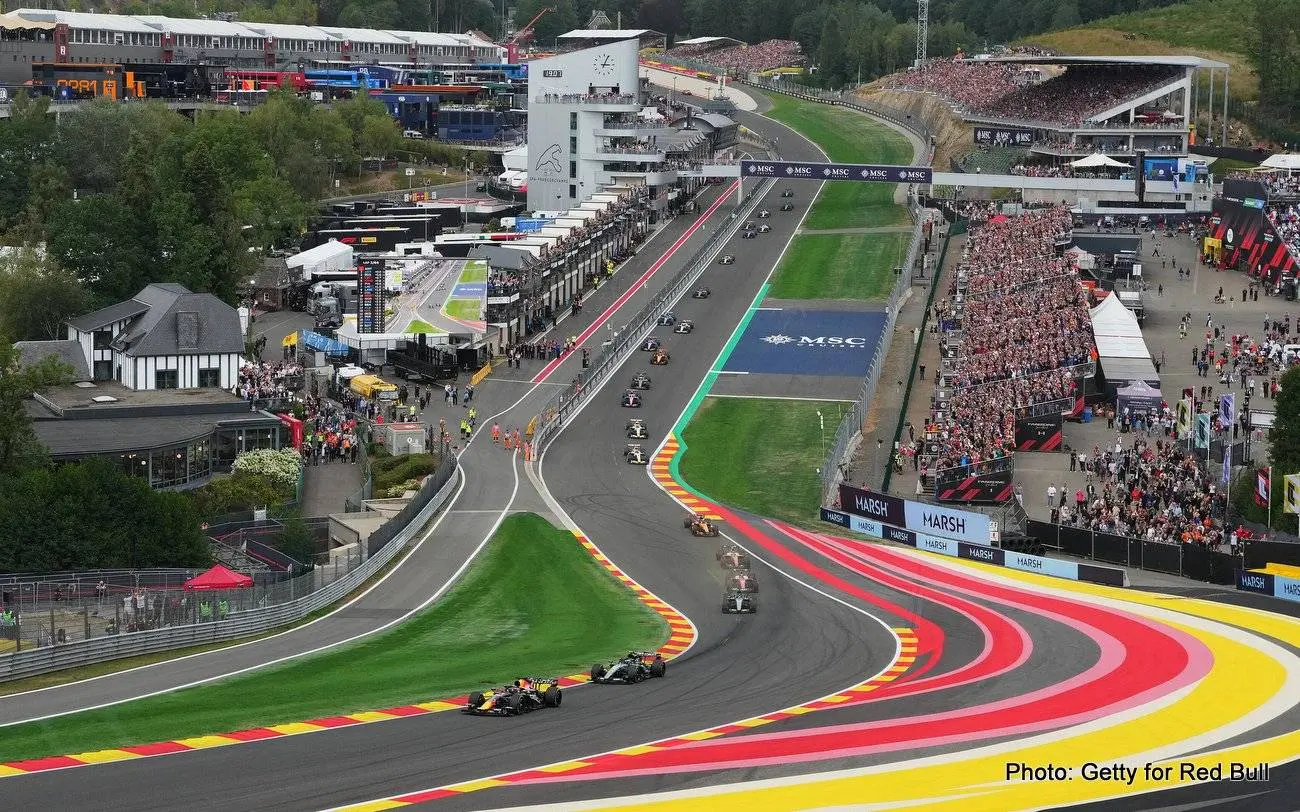
every sport available in the world. This includes racing sports like Formula 1,
MotoGP, IndyCar, and World Rally Championship. These races have a significantly
higher speed than horses, and appeal to a younger crowd who prefer a higher
level of action. The product has changed enormously over the past years, even
if the impulse driving it hasn't.
The Formula 1 factor
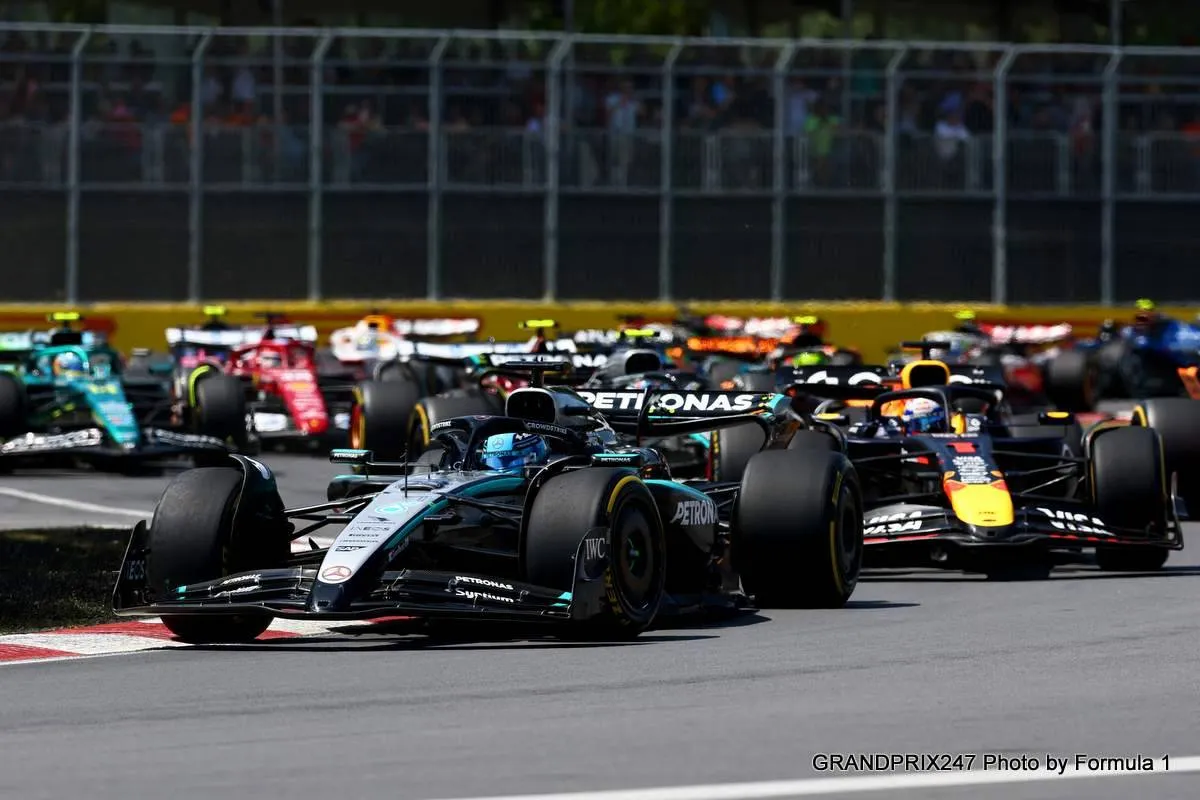
If one sport has benefited most dramatically from this
shift, it's Formula 1. Between 2018 and 2021, betting operator Entain
recorded a 50% increase in customers placing bets on the sport, with total bets
per season climbing around 30%. Those aren't incremental gains, but a market
category being restructured in real time.
The timing is hardly a coincidence. Netflix's Drive to
Survive documentary series launched in 2019 and introduced the sport to
audiences who had previously found it impenetrable or simply dull. Suddenly,
the technical complexity had a human story layered over it. Team politics,
driver rivalries, and the pressure of contracts and championships were
compelling television, and it converted viewers into fans at a remarkable rate.
Fans, as sportsbooks quickly discovered, become bettors.
What makes Formula 1 genuinely useful as a betting market is
the sheer volume of things to wager on. A horse race produces a result and
little else. A Grand Prix weekend generates qualifying times, grid penalties,
tyre strategy decisions, fastest lap records, safety car probabilities,
head-to-head driver matchups, and constructor championship implications. Each
of those is a separate, tradeable market with its own research angle that
bettors can specialise in. For those who enjoy digging into numbers and thinking
analytically, that density of information is a real magnet.
Who's actually driving this change?
Younger Irish bettors grew up in a fundamentally different
media landscape than the older generation. They watched sports through live
streams rather than waiting for terrestrial broadcasts, which only aired a
handful of sports. They follow athletes on social media and consume content
from global competitions as readily as local ones. The geographical limits that
once shaped betting habits, where you could only bet on what aired on TV,
essentially ceased to exist.
Formula 1's own expansion has fed into this. The sport has
actively targeted new markets, particularly in North America, with races in
Miami and Las Vegas joining the calendar in recent years. It has simply become
a young and trendy sport.
That push for global relevance has made it a consistently
visible property across social media platforms in a way that, frankly, a
midweek race meeting in Navan simply cannot compete with in terms of reach.
Irish fans are watching the same content as fans in Brazil or Japan, and the
betting ecosystem has followed.
The pattern isn't unique to Ireland either. Across Europe,
motorsport has consistently emerged as one of the fastest-growing betting
categories wherever online casinos have taken hold.
What does this mean for horse racing in Ireland?
It would be a mistake to read any of this as a story about
decline. Horse racing remains deeply embedded in Irish betting culture and
isn't going anywhere. The Cheltenham Festival still generates enormous wagering
activity every March, and the domestic racing calendar, from the Irish Grand
National to the August festivals, continues to draw engagement that no Grand
Prix weekend can match in purely cultural terms. It keeps attracting a young
crowd, so it's by no means a dying sport. The sport has a history, community,
and emotional weight that take generations to build.
What's actually happening is more nuanced than displacement.
Irish bettors simply have far more betting options than any previous generation
could access, and they're using those options. Some punters maintain a clear
hierarchy: horses first, everything else as an occasional side interest. Others
have found that their analytical instincts, previously pointed at form guides
and going conditions, translate naturally to qualifying pace data and pit stop
strategy. The skills aren't so different; the sport just happens to take place
on tarmac rather than turf.
The bookmakers and broadcasters have noticed this shift in
trends. The only question now is how far this diversification runs.
Latest News



Loading