What Is Rallying and How Beginners Can Get Into the Sport
Special FeatureFriday, 13 February 2026 at 06:16
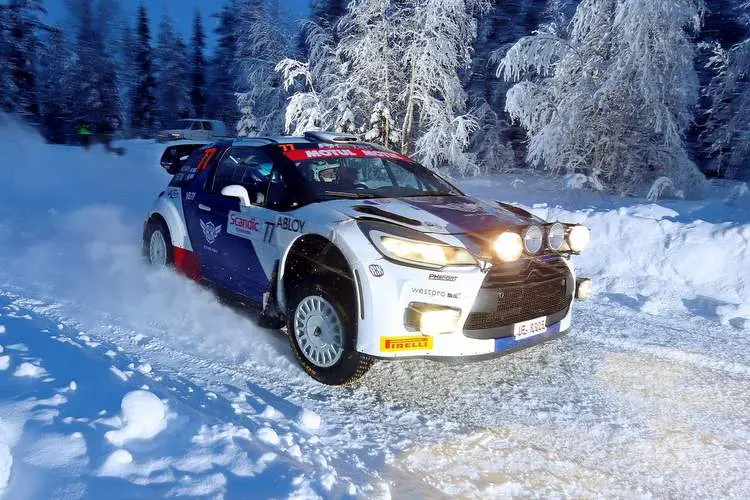
Rallying holds a special place in motorsport culture. It’s raw, unpredictable, and demands far more than just driving skill.
A typical rally event throws competitors into constantly changing terrain, weather, and road conditions. For newcomers wondering what is rally racing, or curious about how to get into rally racing, the sport can seem intimidating at first. But once you understand how it works and where beginners fit in, it becomes surprisingly accessible.
This guide talks about rally racing fundamentals, entry paths, costs, skills, and beginner strategies — plus how simulators and rally racing games online can help you build experience before you ever strap into a helmet.
Understanding What Rallying Is
At its simplest, rally is a timed motorsport run on closed public or private roads rather than permanent circuits. Drivers compete individually against the clock, starting at staggered intervals. The goal is straightforward: complete all stages in the shortest cumulative time.
Each team consists of a driver and a co-driver. The co-driver reads pace notes—coded instructions describing upcoming turns, jumps, surface changes, and hazards. Because drivers can’t see far ahead on narrow forest roads or mountain passes, these notes act as their roadmap. Without them, competitive rallying would be nearly impossible.
Rallies usually unfold over multiple stages spread across one or several days. Between stages, crews must travel on public roads to the next start point while obeying traffic laws. That mix of racing and regulation is part of what makes the discipline so distinctive.
Why Rallying Is Different From Other Motorsports
Rally stands apart from circuit racing, drag racing, and drifting because it demands versatility. A single event might include:
- Loose gravel tracks
- Muddy forest trails
- Asphalt mountain roads
- Snow-covered stages
Grip levels change constantly. Drivers must adjust to different conditions.
Another difference is that mechanical sympathy matters. Cars endure harsh environments from jumps, rocks, and ruts, so drivers must balance aggression with preservation. Pushing too hard early can destroy suspension or tyres before the rally ends.
Types of Rally Events Beginners Can Enter
When people ask how to get into rally racing, they often assume they must jump straight into high-speed stage rallies. In reality, there are various entry points designed for newcomers.
1. Rallycross
Short, closed courses with mixed surfaces. Lower speeds and shorter runs make it ideal for learning car control.
2. TSD Rallies (Time-Speed-Distance)
Focus on navigation precision rather than speed. Beginners learn pacing, timing, and teamwork.
3. Club Stage Rallies
Local-level competitive rallies with stricter safety requirements but manageable costs.
How to Get Into Rallying: Practical Steps
Breaking into rally doesn’t happen overnight, but the pathway is clear if you follow it methodically.
Join a Sanctioning Body
Most countries require drivers to hold a competition license issued by a motorsport organization. These governing bodies oversee safety standards, vehicle classifications, and event rules.
Take a Rally School Course
Training programs teach essential skills such as:
- Left-foot braking
- Weight transfer control
- Loose-surface traction management
- Pacenote interpretation
Even experienced drivers benefit from structured instruction because rally technique differs drastically from normal road driving.
Attend Events Before Competing
Volunteering at rallies is also a great way to learn. You’ll get to see how stages are organized, how teams operate, and what equipment is required. Many drivers first entered the sport as marshals or crew members.
Start With an Affordable Car
Many entry-level competitors use older compact cars with safety modifications. Reliability matters more than horsepower at this stage.
Costs Beginners Should Expect
Motorsport has a reputation for being expensive, but grassroots participation is more attainable than most people think.
Typical starting expenses include:
- Helmet, suit, gloves, shoes, and HANS device
- Roll cage and safety installation
- Entry fees
- Tires and maintenance
A modest starter budget can go up from a few thousand dollars to the low five figures. It dependson how competitive you want to be. Many teams reduce costs by sharing cars, splitting travel expenses, or running partial seasons. The key is gradual investment.
Essential Skills Rally Drivers Need
To succeed in rallying, drivers must master several disciplines simultaneously:
Car Control – Sliding through corners on gravel or snow requires precise throttle and steering balance.
Listening Skills – Drivers must react instantly to co-driver instructions.
Mechanical Awareness – Recognizing early signs of mechanical trouble can help to avoid failures.
Focus Under Pressure – Stages often run at high speed with minimal margin for error.
Physical Endurance – Multi-day rallies test stamina and concentration.
Unlike track racing, where memorization plays a big role, rally rewards adaptability. No two stages feel exactly the same.
The Role of the Co-Driver
Many newcomers underestimate the co-driver’s importance. In reality, the co-driver is half of the competitive equation.
They manage:
- Pace notes
- Timing schedules
- Route navigation
- Penalty avoidance
The relationship between driver and co-driver is built on trust. A driver entering a blind corner at speed must rely entirely on the instructions being called out. When that partnership clicks, performance improves dramatically.
Can You Practice Before Competing?
Absolutely—and this is where rally racing games online come into play. Modern rally simulators are surprisingly sophisticated. They model:
- Surface grip differences
- Suspension behavior
- Tire wear
- Weather effects
While simulators can’t replicate physical forces, they do sharpen reaction time, improve steering inputs, and teach pacenote rhythm. For beginners who are unsure whether rally is right for them, simulation racing offers a low-risk introduction.
Common Beginner Mistakes
Most first-time rally drivers encounter the same learning curve. Knowing the typical missteps can save time and money.
- Starting with a very powerful car
- Ignoring suspension setup
- Overdriving early in stages
- Skipping practice events
- Underestimating logistics planning
Why Rally Events Attract So Many Fans
Rally’s appeal isn’t just about speed—it’s about unpredictability. Spectators stand just meters away as cars blast past on gravel roads. Weather can change the entire competitive order. Mechanical issues can strike at any moment.
That unpredictability can create chaos that few other sports can match. One stage can transform a championship battle.
Fans also appreciate the variety of cars. Rally grids often feature a wide variety of models and engine types, adding personality to the competition.
Is Rallying Worth Trying?
If you enjoy technical challenges, teamwork, and adrenaline, rallying is one of the most rewarding motorsports. It demands discipline, patience, and continuous learning—but those are the same qualities that make success so satisfying.
For those still asking how do you get into rally racing, the honest answer is simple: start small, learn constantly, and connect with your local motorsport community.
So, what is rally racing really about? It’s about speed, precision, strategy, and trust between driver and co-driver. From grassroots club events to international championships, rally offers a clear progression path.
Whether you begin with local events, training schools, or rally racing games online, every step builds the skills needed to compete. The road into rally may be challenging, but that challenge is exactly what makes it so compelling.
Dimebit is a reputable online sportsbook and casino. You can explore motorsport odds, follow major rally events, and experience the thrill of racing from a whole new perspective on the platform.

Latest News






Loading