Versatile vs. Basic: Choosing Your Power Station Wisely
Special FeatureThursday, 23 October 2025 at 01:37
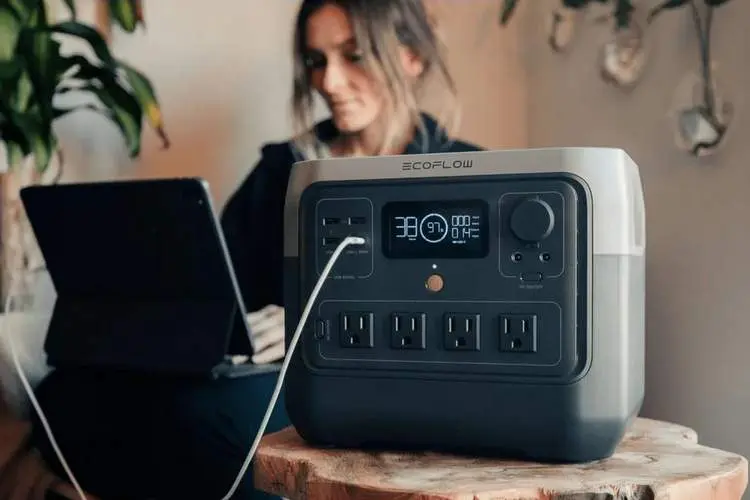
In our increasingly connected world, portable power has shifted from luxury to necessity. Whether you're working remotely from a coffee shop, camping in the wilderness with your drone and camera gear, or preparing for unexpected outages, keeping your devices charged is paramount.
Yet standing in front of countless power station options can feel overwhelming. Should you opt for a straightforward basic model that simply gets the job done, or invest in a versatile unit packed with advanced charging options and renewable energy capabilities?
The difference between these two approaches goes far beyond price tags—it fundamentally affects how you generate, store, and distribute power to your tech ecosystem.
This special report for our Formula 1 readers and F1 fans interested in this subject cuts through the confusion by examining the core distinctions between versatile and basic power stations, exploring various energy generation methods including solar generators and inverter generators, and providing a clear framework to match the right power solution to your specific needs.
By understanding what separates adequate from exceptional in portable power technology, you'll make a confident decision that serves both your current devices and future energy independence goals.
Power Station Fundamentals: Energy Generation Essentials
Modern power stations represent a significant leap from the noisy, fuel-dependent generators of the past. At their core, these portable units combine three essential components: a rechargeable lithium battery for energy storage, an inverter to convert DC battery power into AC household current, and a variety of input and output ports for charging flexibility.
Unlike traditional generators that burn gasoline or propane, contemporary power stations embrace cleaner energy pathways—particularly through solar integration. Inverter generators bridge the gap between old and new, offering fuel efficiency with cleaner electrical output suitable for sensitive electronics, but renewable-focused consumers increasingly favor battery-based stations that pair seamlessly with solar panels.
Understanding your power needs begins with two fundamental metrics: watt-hours (Wh), which indicates total energy storage capacity, and surge watts, representing the brief power spike needed when devices like refrigerators or power tools start up.
A laptop typically consumes 50-75 watts during use, while a smartphone draws just 5-10 watts, meaning a 500Wh power station could theoretically charge a laptop six to seven times. This capacity calculation becomes crucial when evaluating whether a basic unit meets your minimum requirements or if a versatile station's expandable energy generation through solar panels better aligns with your tech ecosystem and sustainability values.
Versatile vs. Basic Power Stations: Core Differences
Defining Basic Power Stations
Basic power stations prioritize simplicity and affordability, offering straightforward functionality without bells and whistles. These units typically feature a single AC wall charging method, requiring 6-8 hours to fully recharge from empty.
Output options remain minimal—usually one or two standard AC outlets paired with a handful of USB-A ports. Capacity is fixed at the factory specification with no option to expand storage through additional batteries or external connections.
These streamlined units excel in specific scenarios: keeping a CPAP machine running during brief outages, charging phones and tablets during short camping trips, or providing emergency power for a small fan and LED lights.
Their uncomplicated design means fewer components that might fail, and their lower price point makes them accessible entry points for consumers testing portable power for the first time.
Advanced Features of Versatile Units
Versatile power stations transform energy management into a comprehensive ecosystem. These advanced units accept power from multiple simultaneous sources—solar panels converting sunlight into stored energy, car DC ports during road trips, and AC wall outlets for rapid replenishment.
Output diversity matches modern tech demands: USB-C Power Delivery ports push 60-100 watts directly to laptops, wireless charging pads eliminate cable clutter for compatible smartphones, dedicated 12V cigarette lighter outlets power car accessories, and multiple AC outlets handle everything from camera battery chargers to portable projectors.
Expandability defines their long-term value through modular battery packs that double or triple capacity, parallel connection capabilities that link two units for massive power output, and solar generator compatibility that enables truly off-grid operation.
Smart features include Bluetooth-connected mobile apps displaying real-time wattage consumption, customizable charging priorities, and firmware updates that add functionality years after purchase.
Side-by-Side Comparison
The practical differences become stark when examining real-world usage. A basic station recharges only via wall outlet, while versatile models simultaneously accept solar and AC input to cut recharge time by 60%.
Device compatibility expands from "charges phones and small electronics" to "powers laptops, drones, mirrorless cameras, portable monitors, and mini-fridges concurrently."
Tech integration jumps from a simple LED battery indicator to full app control showing estimated runtime per connected device. Scalability separates temporary solutions from long-term investments—basic units remain frozen at their original capacity.
Versatile stations grow alongside your needs through solar panel additions or battery expansion modules, essentially future-proofing your energy generation infrastructure as your tech ecosystem evolves.
Charging Capabilities: Tech Device Integration
Input Flexibility: Recharging Your Station
Solar generators represent the pinnacle of renewable energy integration for power stations, transforming sunlight into stored electricity through compatible photovoltaic panels that connect via MC-4 or DC barrel inputs.
Versatile units maximize efficiency through dual or triple simultaneous input charging—combining 400 watts from solar panels with 500 watts from a wall outlet to achieve full recharge in under three hours compared to eight hours with AC alone. This multi-source capability proves invaluable during extended camping trips where daytime solar collection pairs with overnight car charging during travel.
Fast-charge technology in advanced stations delivers 80% capacity in just 90 minutes through optimized AC input, while basic models plod along at standard rates.
For renewable energy enthusiasts, solar compatibility transforms a power station from a rechargeable battery into a true off-grid energy generation system that never depends on the electrical grid.
Output Versatility: Powering Your Gear
USB-C Power Delivery ports revolutionize laptop charging by delivering 60-100 watts directly without bulky AC adapters, enabling sleek ultrabooks and tablets to recharge at full speed while conserving the station's AC outlets for devices that truly need them.
Wireless charging pads integrated into top surfaces eliminate cable management headaches for Qi-compatible smartphones, simply placing your device down initiates 10-15 watt charging. High-wattage AC outlets rated for continuous 1000-2000 watts handle power-hungry gear like drone battery hubs that charge four batteries simultaneously, portable espresso makers for remote work setups, or medical devices like CPAP machines requiring stable overnight power.
Simultaneous multi-device charging defines versatile stations—powering a laptop via USB-C, two smartphones wirelessly, a camera battery via AC, and a tablet through USB-A all at once without voltage fluctuations.
This regulated output protects sensitive electronics through pure sine wave inverters that match grid-quality electricity, preventing the damaging power spikes that modified sine wave inverters in basic units sometimes produce.
Selecting Your Ideal Power Station: Decision Framework
Assessing Your Energy Needs
Begin by creating a comprehensive inventory of every device you plan to power, noting each item's wattage rating found on its power adapter or specification label. Add these figures together to determine your peak simultaneous power draw—if you'll run a 65-watt laptop, 10-watt smartphone, and 50-watt camera charger concurrently, you need at least 125 watts of continuous output capacity.
Next, estimate runtime requirements by dividing the power station's watt-hour capacity by your total device consumption; a 500Wh unit powering 125 watts of gear provides roughly four hours of operation before depletion.
For renewable energy enthusiasts planning extended off-grid periods, calculate daily solar input potential based on your geographic location's average sun hours—pairing a 200-watt solar panel in a region with five peak sun hours generates approximately 1000Wh daily, enabling true energy independence when matched with adequate battery storage.
Mobility vs. Capability Trade-offs
Weight directly impacts portability, with basic units typically ranging from 12-18 pounds while versatile models with larger capacities push 30-50 pounds, making them manageable for car camping but impractical for backpacking.
Physical dimensions matter equally—compact stations fit easily in overhead compartments or motorcycle panniers, whereas high-capacity units require dedicated vehicle space. Evaluate your primary use environment: weekend campers prioritize lighter weight for occasional transport, while van-lifers and remote workers benefit from stationary high-capacity systems that remain installed.
Durability considerations include ruggedized casings that withstand outdoor conditions, water-resistant ports for humid environments, and reinforced corners that survive accidental drops during tech gear setup in challenging locations.
Future-Proofing Considerations
Expandable energy generation through compatible solar panels transforms a power station from a finite battery into a renewable system that scales with growing needs—verify maximum solar input wattage and connector types before purchasing.
Modular battery expansion ports allow capacity doubling or tripling through add-on units that connect seamlessly, protecting your initial investment as your device ecosystem expands. Prioritize models with USB-C Power Delivery ports rated for 100 watts to accommodate next-generation laptops and tablets that increasingly abandon proprietary charging.
Firmware-updatable stations receive performance improvements and new features through manufacturer software releases, extending functional lifespan beyond hardware specifications. For example, manufacturers like EcoFlow regularly push software updates that optimize charging algorithms and add new features to existing units, demonstrating how versatile stations maintain relevance years after purchase.
Check for standardized connections rather than proprietary cables, ensuring replacement parts and accessories remain available years after purchase when supporting your evolving tech requirements.
Making Your Power Station Decision
The choice between versatile and basic power stations ultimately hinges on how deeply portable power integrates into your lifestyle and tech ecosystem. Basic units serve admirably for occasional emergencies and simple charging needs, offering straightforward functionality at accessible price points.
Versatile stations, however, transform energy management into a comprehensive system through solar generator compatibility, diverse charging options, and expandable capacity that grows alongside your devices. For tech-savvy consumers passionate about renewable energy generation, the premium investment in versatile units pays dividends through genuine off-grid capabilities and future-proof adaptability.
Remote workers benefit from multi-device simultaneous charging and rapid solar replenishment, while outdoor enthusiasts gain reliable power independence beyond electrical infrastructure. Evaluate your specific requirements honestly: catalog your devices' collective wattage demands, assess how frequently you'll operate away from grid power, and determine whether solar integration aligns with your sustainability values.
A methodical assessment of your energy generation preferences, device portfolio, and usage patterns ensures your power station purchase delivers practical value rather than unused features or frustrating limitations.
Make your decision based on tomorrow's needs, not just today's convenience, and you'll secure a portable power solution that genuinely enhances your tech-enabled adventures and work flexibility for years ahead.
Latest News










Loading