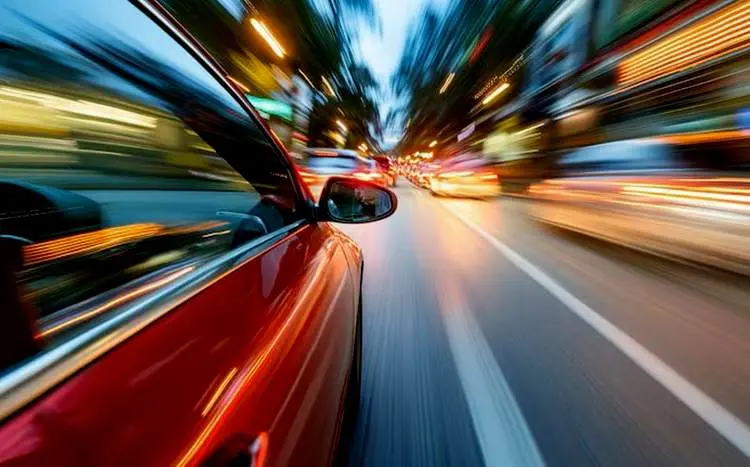
The NHTSA states that in 2023, driving at excessive speeds was solely responsible for 11,775 deaths. Even after so much awareness, road signs, and fines, many out there on the road still drive recklessly.
Some claim that they do it because they are late, some say they just enjoy the thrill (really the worst reason, right?), and some say it’s for an emergency. One has to be really attentive when they are on the road.
Accidents Caused by Speeding
Speeding accidents happen when the concerned driver goes beyond the a speed limit. Even a minor mistake on the road or even a second away from the road can turn into a big accident.
- Rear-end crashes
- Head-on collisions
- Losing control on turns
- Intersection crashes
- Single-car accidents
Risks of Speeding on Roads
Speeding increases deadly risk not just for the driver but for anyone driving, walking, or crossing on the road. The truth is (science), the faster you drive, the less control you have.
- Reduced reaction time
When you drive too fast, your body and mind don’t react quickly to every situation. This slow reaction can lead to a big accident. For example, if you are driving at 80 mph and the car in front suddenly hits the brakes, you may see it clearly, but by the time your hands and legs respond, your vehicle has already gone too far. That’s how most crashes happen in just a few seconds.
- Greater impact during collisions
Speed makes every crash worse; hitting at 40 mph is very different from hitting at 80 mph. The impact here is largely different and stronger. This damage, more importantly, causes serious injuries to people inside. However smart a vehicle is, even seat belts and airbags can’t fully protect you at high speeds.
- Poor visibility and wrong judgment
When you drive fast, your eyes focus straight ahead, not around you. This makes you miss things on the sides, like people crossing the street, cyclists on the sides, and even traffic signboards. It is known that many drivers involved in speeding accidents say, “I didn’t see them.” It’s true because when you drive too fast, your brain simply can’t process everything around you.
- Roads and weather make it worse
Speeding on wet or not-so-good condition roads is one of the riskiest things to do. That is because water tends to reduce tire grip, and rough roads make the car slip. So, during rain or fog, even experts lose their grip.
- Higher chances of fatal injuries
Even with all the safety features, speed crashes are usually very serious. They can result in broken bones, spinal cord injuries, or, in critical conditions, death. Car accident stats state that pedestrians hit by fast cars rarely survive. The faster you drive, the bigger the damage to everyone involved.
- Emotional and financial pain
An accident doesn’t just end on the road. It affects people for months or even years. There are hospital bills, court cases, stress, and sometimes the loss of someone close. Families go through emotional pain that no fine or insurance can fix. In the end, speeding saves only a few minutes, but it can cost a lifetime.
Legal Actions in the United States
In the U.S., speeding is a legal violation. Depending on how fast you were and what happened because of it, the punishment can change. Every state has slightly different rules, but the message is the same.
- Speeding tickets
- Reckless driving case
- Criminal charges
- Civil lawsuits
- Suspension of license
Key Takeaways
- Speeding causes nearly one-third of all road deaths in the U.S. every year.
- It reduces reaction time, increases stopping distance, and makes accidents more deadly.
- Every state has slightly different rules, but the message is the same: speeding is a legal violation.
Latest News





Loading