Find and Buy a top Nissan Skyline R34 at the Right Price
Special FeatureWednesday, 22 October 2025 at 03:42
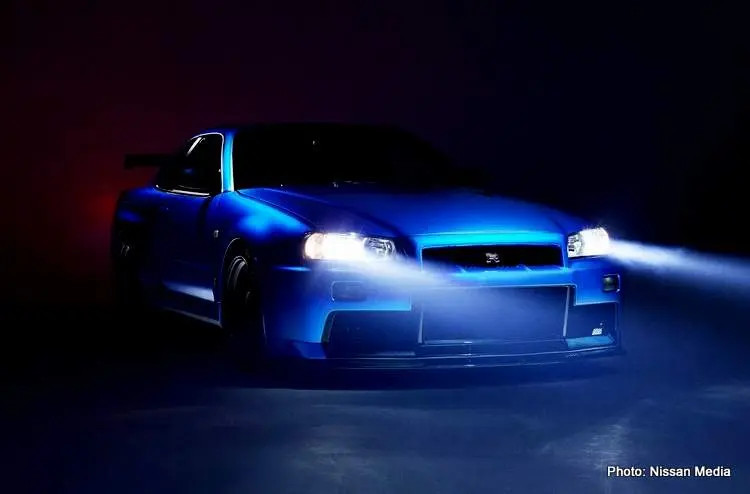
For car enthusiasts around the world, the Nissan Skyline R34 GT-R is not just a car; it is a symbol of Japan’s engineering golden era of unprecedented performance.
The Nissan Skyline R34 GT-R's appearance in video games, movies, and motorsport cemented its legend, and now, more than two decades after production ended, finding one in good condition at a fair price has become a quest that combines passion, patience, and research.
The R34 was produced between 1999 and 2002 by the Japanese auto giant, representing the final evolution of the Skyline GT-R line before the model evolved into the standalone Nissan GT-R R35. In total, around 11,578 R34 GT-Rs were built, while roughly 67,000 units were produced across the broader Skyline R34 family, including the non-GT-R versions.
The rarity of the genuine GT-R models, combined with their racing pedigree and pop culture fame, has driven prices into six-figure territory for the most desirable examples. Making it popular for car enthusiasts, including Formula 1 fans who have the need for speed.
The R34 generation introduced sharper styling, advanced aerodynamics, and refined electronics. Its engineering heart was the RB26DETT, a 2.6-litre twin-turbo inline-six producing an officially limited 280 PS under Japan’s gentleman’s agreement on horsepower. In reality, many cars produced closer to 320 PS in stock form, and tuners could easily push that beyond 500 PS with mild modifications.
Production and Variants

The GT-R range itself was divided into several distinct trims and limited editions. Early models included the base GT-R and the GT-R V-Spec, both introduced in 1999. The V-Spec, short for Victory Specification, featured upgraded aerodynamics, a front splitter, firmer suspension, and the advanced ATTESA E-TS Pro all-wheel-drive system coupled with an active rear differential.
In 2000, Nissan launched the V-Spec II, adding a carbon-fibre bonnet, revised brakes, stiffer dampers, and minor interior updates. This variant was followed by the M-Spec, which offered a more comfortable suspension setup and leather upholstery aimed at grand touring rather than track use.
The ultimate versions came in 2002 with the Nür-spec cars. These were named in honour of the Nürburgring, where Nissan developed much of the GT-R’s chassis and drivetrain calibration. Only 1,003 examples of the Nür editions were built, split between the V-Spec II Nür (718 units) and M-Spec Nür (285 units). These featured the uprated RB26DETT “N1” engine block, designed for endurance racing with stronger internals and improved oil and water channels. Collectors consider these the holy grail of R34s.
Beyond the GT-R, the R34 Skyline range also included less powerful and more affordable variants such as the 25GT, 25GT-T, and GT-V, powered by naturally aspirated or single-turbo RB engines. These cars shared the same basic structure and aesthetics but lacked the GT-R’s sophisticated all-wheel-drive system and twin-turbo powerplant. They remain the best entry point for enthusiasts who want the R34 look and feel without the GT-R’s price tag.
Performance and Driving Character

Even by modern standards, the R34 GT-R remains a formidable performer. With 0–100 km/h in under five seconds and a top speed near 300 km/h for ungoverned versions, it was Japan’s ultimate street racer of its time. The combination of the ATTESA all-wheel-drive system and Super HICAS four-wheel steering gave the R34 incredible agility and stability, making it one of the most confidence-inspiring performance cars of its generation.
The car’s telemetry system, displayed on a digital multi-function screen developed with Polyphony Digital (the creators of Gran Turismo), was a novelty that allowed drivers to monitor boost pressure, oil temperature, and lap timing data directly from the dashboard. It was, in many ways, the first production car to blend gaming culture with driving technology.
Two decades later, finding an R34 in good condition requires more than just a glance at the paintwork. Prospective buyers should start by verifying the car’s identity. Matching VIN and engine numbers are essential to confirm authenticity, particularly as counterfeit GT-R badges and resprayed replicas have become common.
What Defines a “Good Condition” R34

A complete service history is another must. Look for regular maintenance of the turbos, cooling system, and all-wheel-drive components. The RB26 engine is strong, but it demands diligent upkeep—oil changes every 5,000 km, timely replacement of timing belts, and inspection of intercooler piping and gaskets.
Rust is a silent killer of older Japanese imports. Check the undercarriage, wheel arches, and sills for corrosion. Many R34s have lived in humid or coastal environments where salt can attack the chassis. Even cars that appear pristine outside can hide expensive structural issues underneath.
Interior wear is another indicator of how carefully the car has been used. Original seat fabrics, uncracked dashboards, and intact switches suggest responsible ownership. Avoid cars with excessive aftermarket wiring or stripped interiors unless you intend to restore or track-build them.
Finally, consider mechanical originality. While tuned R34s can deliver thrilling performance, extensive engine modifications or remapped ECUs can shorten lifespan and complicate future servicing. A lightly modified example with tasteful upgrades and a reliable dyno tune is preferable to one running oversized turbos and stock internals.
Price and Market Trends

The R34 GT-R’s global desirability has made pricing a moving target. In Japan, where most examples originate, good-condition cars have appreciated sharply over the past five years. Import restrictions in the United States have further fuelled demand, as the R34 only recently became eligible under the 25-year import rule starting with 1999-built models.
In Europe, particularly the United Kingdom and Germany, clean R34 GT-Rs now command between €80,000 and €150,000 depending on mileage, colour, and specification. Nür editions or rare hues such as Midnight Purple II and Millennium Jade can exceed €200,000 in top condition. Non-GT-R R34s remain significantly cheaper, ranging from €20,000 to €40,000, though values for well-preserved 25GT-T coupes are also climbing.
A “good price” therefore depends on perspective. For collectors, value lies in originality and provenance. For drivers, the focus is on mechanical health and usability. Either way, the window for affordable R34 ownership is closing as supply shrinks and nostalgia grows.
Where to Find One

Specialist dealers in Japan remain the most reliable sources for genuine, documented R34s. Platforms such as Goo-Net, Tradecarview, and BH Auctions regularly list verified cars. Some European importers, particularly in the UK, maintain direct partnerships with Japanese suppliers and handle compliance work for EU registration.
When importing, factor in costs beyond the purchase price. Shipping, customs duties, VAT, and registration modifications can add between 15 and 25 percent to the total. It is worth commissioning an independent pre-purchase inspection from a workshop familiar with Skylines, especially to verify compression ratios and turbo performance.
Locally sourced R34s in Europe or Australia may command a premium due to easier logistics, but buying domestically also allows in-person inspection and reduced paperwork. In all cases, patience pays. Genuine cars with full documentation sell fast, so serious buyers should have financing ready and be prepared to move quickly.
Running and Ownership

Owning an R34 means embracing both performance and responsibility. Servicing costs are higher than average due to parts scarcity and the specialist nature of the components. The RB26 engine thrives on high-quality lubricants and regular inspection of turbo oil lines. Replacement parts remain available through Nissan Heritage, Nismo, and reputable aftermarket suppliers, but prices have risen in step with demand.
Insurance can also be expensive, especially for younger drivers or imported cars without European type approval. In Germany, classic-car registration may offer tax advantages if the vehicle remains largely original.
Fuel consumption is modestly brutal—expect around 15 litres per 100 km with spirited driving—but few owners buy an R34 for economy. The reward comes from its analogue feel, razor-sharp handling, and the distinctive howl of the twin turbos spooling up as the revs climb past 8,000 rpm.
All indications suggest the R34 will continue appreciating. Its successor, the R35 GT-R, while faster, never achieved the same cult status. The R34 represents the last of the analogue GT-Rs—a bridge between mechanical purity and electronic intelligence. Its appearances in
Gran Turismo and The Fast and the Furious
Future Collectibility Value and Final Advice for Buyers
The Nür variants are already considered blue-chip collectibles, but even standard V-Spec models are now trading like investment assets. However, buying purely for profit risks missing the point. The R34 is best enjoyed as intended: driven, maintained, and cherished.

If you are serious about finding an R34 in good condition and at a fair price, prioritise originality over cosmetic perfection. A slightly worn but mechanically healthy car with complete documentation is a safer investment than a freshly painted example hiding unknown history. Be patient, consult experts, and always verify authenticity through the chassis number and build plate.
For those unable to stretch to GT-R money, the R34 GT-T offers an authentic Skyline experience with lower running costs and the same visual drama. With the right care, both variants will continue to appreciate while offering the visceral thrill that modern performance cars often lack.
The Nissan Skyline R34 remains one of the defining icons of Japanese performance engineering. It rewards those who do their homework, take their time, and buy wisely. In a market where passion and nostalgia drive prices as much as horsepower, the ultimate victory lies in finding a car that delivers both heart and head satisfaction—the dream Skyline, in perfect condition, at a price that still makes sense.
Latest News




Loading