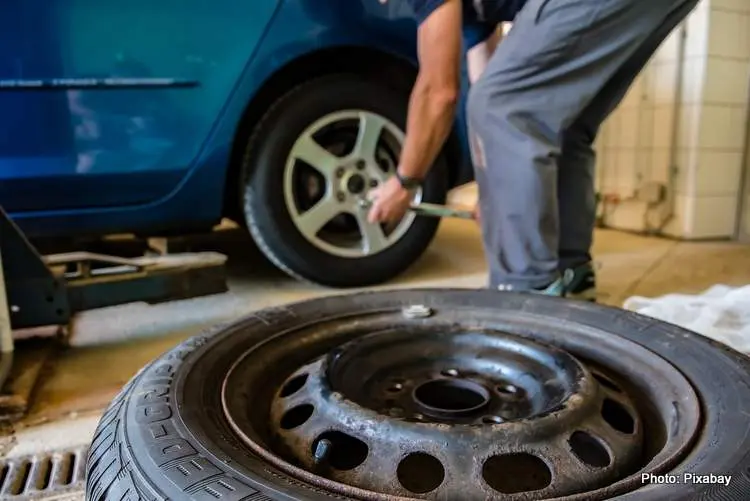
When a tire goes flat, many drivers rely on a spare to get them back on the road. Knowing how fast one can safely drive on a spare tire is crucial to avoid further damage or accidents.
Most spare tires, especially temporary “donut” types, are designed for speeds no greater than 50 miles per hour. Exceeding this limit can reduce handling ability and increase the risk of tire failure.
Understanding these limits helps drivers maintain control and reach a repair shop safely. The type of spare tire and vehicle can also influence the recommended speed and distance.
Spare Tire Speed Limit Guidelines
Spare tires have specific speed limits to maintain safety and prevent damage. These limits depend on the type of spare tire and its construction. Exceeding recommended speeds increases the risk of tire failure and auto accidents.
Recommended Maximum Speeds
Most spare tires are designed for temporary use and have a maximum speed limit between 50 and 55 mph (80-90 km/h). Some compact or "donut" spares specify a stricter limit, often no faster than 50 mph. Driving faster can cause overheating, loss of traction, or tire blowouts.
Drivers should also note that speed limits may be lower on wet, icy, or uneven roads. Maintaining a steady, moderate pace helps avoid abrupt maneuvers that increase accident risk. If higher speeds are necessary, replacing the spare with a full-size tire promptly is essential.
Risks of Exceeding Maximum Speed
Exceeding the recommended speed on a spare tire increases the likelihood of tire blowouts and loss of vehicle control. In the event of a car accident, this can worsen injuries and damages.
Higher speeds generate more heat, which can cause the spare to degrade faster or fail suddenly. This risk is heightened if the spare is already used or improperly inflated.
Consulting a Stockton car accident lawyer may be necessary if an accident is linked to improper spare tire use, especially if speed limits were disregarded. Legal advice can clarify liability and help protect rights after auto accidents.
Types of Spare Tires and Speed Ratings
There are mainly two types of spares: compact (donut) and full-size. Compact spares are smaller, lighter, and have lower speed ratings of about 50 mph. Full-size spares match the regular tires' size and can often be driven at normal speeds but usually only for short distances.
Temporary spares typically have markings on the sidewall indicating maximum speed. Drivers should check these ratings before use. Using a spare tire beyond its rated speed can result in poor handling and increases the likelihood of auto accidents. Always follow the vehicle and tire manufacturer's guidelines.
Impact on Vehicle Handling
A spare tire usually has different weight and tread characteristics than regular tires. This imbalance can change the vehicle’s handling, braking, and cornering.
With a compact spare, drivers often experience reduced grip and less effective braking. The smaller size and lower inflation pressures alter how the car responds to steering input, which can be dangerous at high speeds.
Driving with any spare tire over recommended speeds can lead to loss of control, increasing the likelihood of an auto accident. Vehicles with all-wheel drive may face mechanical issues if driven with mismatched spare tires for extended periods.
Risks of Exceeding Spare Tire Speed Recommendations
Driving faster than the recommended speed on a spare tire can impair vehicle performance and increase the chance of serious issues. These risks include compromised control and physical damage to the tire that can lead to dangerous situations on the road.
Handling and Stability Issues
Spare tires, especially temporary “donut” types, are smaller and less robust than regular tires. This size difference affects the vehicle’s balance and steering response.
At high speeds, the vehicle may pull to one side or feel unstable, making it harder to maintain control. Braking distances can also increase, raising the likelihood of auto accidents. Drivers may experience increased vibration and less traction, particularly on wet or uneven surfaces.
These handling problems become more severe if multiple spare tires are used simultaneously or if the tire pressure is not correctly maintained.
Increased Risk of Tire Failure
Spare tires are not designed for prolonged or high-speed use. The rubber compound and construction prioritize compactness over durability.
Exceeding speed limits causes excess heat buildup in the tire, accelerating wear and raising the probability of a blowout. A tire failure at high speed can lead to sudden loss of control and potentially severe auto accidents.
The tread depth and sidewall strength of spares are typically lower, making them more vulnerable to punctures or damage from road debris at higher speeds.
Key risks include:
- Overheating and rapid degradation
- Sidewall damage and tread separation
- Increased likelihood of sudden tire failure
Proper adherence to speed limits maximizes safety while using a spare tire.
Differences Between Full-Size and Compact Spares
There are clear distinctions in size, weight, and intended use between full-size and compact spare tires. These differences affect their safety, handling, and speed limits during driving.
Limitations of Donut Spare Tires
Donut spares are smaller and narrower than regular tires, designed for temporary use only. They usually have a maximum speed limit of 50 mph (80 km/h) and a recommended driving distance of about 50 to 70 miles (80 to 113 km).
Because they have less tread and weaker sidewalls, donut spares provide reduced traction and braking ability. They also handle differently, which affects vehicle stability, especially in adverse weather or emergency maneuvers.
Manufacturers advise against long trips or high-speed driving on donut spares. Their compact build means they cannot support the full weight of the vehicle as effectively as full-size tires.
Performance of Full-Size Spares
Full-size spares are essentially the same as the regular tires on the vehicle. They match the diameter, width, and tread pattern, allowing the car to perform normally.
Drivers can maintain regular speed limits when using a full-size spare, and handling remains consistent. These spares can be used for longer periods and distances without risking damage to the vehicle.
Because full-size spares carry the full load and stress, they offer better traction, braking, and overall safety compared to compact spares. They eliminate the handling and stability warnings common with donut spares.
When to Replace or Repair
Spare tires need regular checks for air pressure, tread condition, and age. Even unused spares degrade over time, especially if exposed to sunlight or extreme temperatures.
A spare older than six years should be replaced regardless of appearance. Cracks in the sidewall or worn tread signal that the tire is unsafe.
Using a damaged or underinflated spare drastically raises the chance of tire failure, which can cause auto accidents during emergency maneuvers. Prompt replacement or repair is essential to maintain spare tire reliability.
Impact on Vehicle Performance and Safety
Using a spare tire affects key aspects of vehicle handling and control. These changes can compromise the ability to stop safely and maintain traction, especially at higher speeds or in adverse conditions.
Braking Effectiveness
A spare tire, often smaller and lighter than the regular tire, changes braking dynamics. It usually offers less contact area with the road, which can increase stopping distances.
The reduced grip means anti-lock braking systems (ABS) may behave differently. They might activate sooner or more aggressively due to inconsistent traction between the spare and other tires.
Drivers should expect a decrease in braking efficiency. This makes it crucial to drive slower and allow more distance to stop when using a spare tire.
Traction and Control
Spare tires, especially temporary “donut” types, provide less traction because of their size and tread design. This affects acceleration, cornering ability, and stability.
Because the spare usually differs in diameter and tread depth, it can disrupt the balance of traction across tires. This imbalance increases the risk of skidding or loss of control, particularly on wet or slippery roads.
Electronic stability control systems may also be less effective or engage more frequently due to uneven traction. Maintaining moderate speeds and avoiding sharp maneuvers helps reduce these risks.
Legal Considerations and Insurance Implications
Using a spare tire affects both legal obligations and insurance matters. Drivers must be aware of specific speed limits tied to spare tires and how insurance companies view claims involving vehicles equipped with them.
Traffic Laws and Speed Limits
Many states set explicit speed restrictions when using a spare tire, typically between 50 to 55 mph. These limits are often lower than regular tire speed allowances because spare tires, especially donuts, are designed for temporary use.
Failure to adhere to these speeds can result in traffic citations or fines. Law enforcement officers expect drivers to follow posted markings on the spare tire, which usually indicate the maximum safe speed.
In an accident involving a spare tire, a Stockton car accident lawyer might note if speeding on the spare contributed to damages or liability. Complying with speed laws reduces legal risks and supports safer driving practices.
Insurance Coverage Scenarios
Insurance policies generally cover vehicles with spare tires, but conditions apply. If damage occurs while driving over recommended speeds on a spare, insurers may limit or deny coverage due to negligence.
Claims following an accident might be scrutinized for compliance with spare tire restrictions. Documented use of the spare tire and adherence to its limitations strengthen claims.
In cases of disputes, a Stockton car accident lawyer can assist by reviewing policy details and accident circumstances. It’s essential to report spare tire use honestly to avoid coverage complications.
What to Do After a Spare Tire-Related Accident
After an accident involving a spare tire, immediate safety measures and proper documentation are crucial. Following that, seeking legal advice from a Stockton car accident lawyer can protect your rights and guide recovery.
Immediate Steps at the Scene
The driver should first check for injuries and move to a safe location if possible. Turning on hazard lights alerts other drivers of potential danger.
It is important to call 911 to report the accident, no matter how minor. Police reports provide an official record that may be necessary for insurance claims.
Document the scene by taking photos of the vehicles, including the spare tire and any visible damage. Collect contact and insurance details from all parties involved. Avoid admitting fault or discussing specific details about the spare tire’s condition until later.
Contacting a Stockton Car Accident Lawyer
A Stockton car accident lawyer can evaluate the case and explain legal options available. They review evidence like police reports and photos to determine liability.
Legal counsel helps negotiate with insurance companies to ensure fair compensation. They also assist if injuries or significant vehicle damage resulted from using a spare tire or improper repair.
Promptly contacting a lawyer preserves critical deadlines for claims and lawsuits. Experienced lawyers in Stockton provide focused support tailored to local laws that affect auto accidents.
Latest News









Loading

