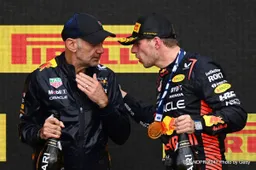
Formula 1 has turned into a full‑weekend experience. Fans follow free practice on Friday, qualifying or sprint races on Saturday, and the Grand Prix on Sunday, often across three different time zones in a single month.
Global surveys in recent years put the F1 fanbase in the hundreds of millions worldwide, with strong growth among younger, digital‑native viewers. These fans are comfortable watching live timing, social feeds, and race streams all at once while keeping a betting or gaming app open on the side.
As legal sports betting and licensed online casinos have expanded in many countries, some F1 supporters have added small stakes and short gaming sessions to their race ritual. For most, it is about adding a little extra tension to a weekend they were going to watch anyway, not about trying to make serious money from the sport.
How Race Weekends Shape Betting Habits
Grand Prix weekends have a structure that fits naturally with betting patterns. Information appears in stages: early pace in practice, real one‑lap speed in qualifying, and then strategy and race‑craft on Sunday. Many fans react to each stage in slightly different ways.
Typical behaviour looks something like this:
- Before the cars run, some place outright bets on the championship or long‑shot podium finishes.
- After qualifying, more focused bets appear, based on track position, tyre choices, and historical form at that circuit.
- During the race, a subset of fans uses live betting markets that react to Safety Cars, pit‑stop windows, and weather changes.
The emotional swings of Formula 1 make that last group particularly vulnerable to impulse decisions. A surprise crash, a bad pit stop, or a controversial penalty can push an otherwise cautious viewer into chasing a result with one more “quick” wager. That is why many responsible‑gambling guidelines suggest deciding in advance whether you want to bet in‑play at all during a race, instead of leaving it to a split‑second choice in lap 49.
Second Screens, Streams, and Side Games
Most modern fans do not just sit in front of a single television broadcast. They watch the race while scrolling social media, checking sector times, listening to team radio clips, or chatting in fan groups. That second‑screen culture makes it easy to slide into other forms of online entertainment during quieter moments of a weekend.
Between qualifying segments or during red‑flag stoppages, some viewers open casino apps for a few minutes of fast, low‑commitment play. Live “game show” titles are especially popular in this context because they are visually loud, simple to understand, and run in short rounds rather than long sessions. A wheel‑based game like Crazy Time is a typical example: it has a live host, bright studio production, and quick spins that fit neatly into a gap in the schedule, which is why it often gets mentioned among motorsport fans looking for light, TV‑style casino content rather than traditional table games.
For many, those side games are just a way to keep the adrenaline flowing while waiting for the next grid interview or formation lap. The risk appears when they stop being a sideshow and start to feel more important than the race itself.
Why F1 and Gambling Feel So Closely Linked
Formula 1 is built on probability and risk. Teams talk openly about strategy models, tyre‑life predictions, undercut percentages, and the odds of a Safety Car at different tracks. Broadcasters increasingly show live graphics about title permutations, points scenarios, and pit‑stop windows. For fans who follow that level of detail, placing a bet can feel like an extension of the same analytical mindset.
There is also a psychological piece. Supporters often believe they “know” their favourite driver or team’s form better than the average viewer. That sense of insight can tempt them into staking money to prove they were right all along. When it goes well, the bet reinforces the idea that they are reading the race better than the bookmaker. When it goes badly, it encourages another bet to “correct” the mistake. This loop is familiar across sports and is one of the main reasons education around risk and expectation is a recurring theme in responsible‑gambling campaigns.
Keeping Race‑Weekend Gambling Under Control
None of this means F1 fans have to avoid betting or gaming completely. It does mean they benefit from some simple guardrails, especially during a long, emotional season. Many regulators and support organisations repeat similar advice, and it applies neatly to Grand Prix weekends.
Basic habits that help:
- Set a clear budget for the whole race weekend and accept that you might lose every cent of it without getting anything back.
- Decide in advance whether your bets will be placed before sessions only, or if you also allow yourself in‑play wagers.
- Avoid gambling when angry, drunk, or exhausted after late‑night races or long travels.
- Take regular breaks from screens so every Virtual Safety Car does not immediately trigger another stake.
Licensed betting and casino platforms in major markets often include tools such as deposit limits, time reminders, and self‑exclusion options. Using these features is not a sign of weakness; it is closer to wearing a seatbelt in a fast car. Most of the time you will not need it, but you will be glad it is there if something goes wrong.
Keeping the Focus on the Racing
In the end, Formula 1 does not need extra stakes to be dramatic. There are enough storylines in a normal weekend: upgrades that work or fail, rookie drivers trying to prove themselves, title contenders dealing with pressure, and midfield teams fighting for a single point. Fans travel to circuits, wake up at odd hours for fly‑away races, and plan their weekends around lights‑out.
Online betting and live casino games can sit alongside all of this as background entertainment. A small wager here, a quick spin there, or a short live‑casino session between qualifying and the race can be enjoyable as long as it stays within clear limits and does not quietly expand into something bigger. The moment the screen matters more than the track action, it is probably time to take a step back.
For most supporters, the sweet spot is simple: let the racing provide the main drama, keep any gambling small and optional, and make sure that when the season ends, the memories that stick are about last‑lap battles and title showdowns, not about how much was won or lost on a Sunday afternoon.

Latest News


Loading